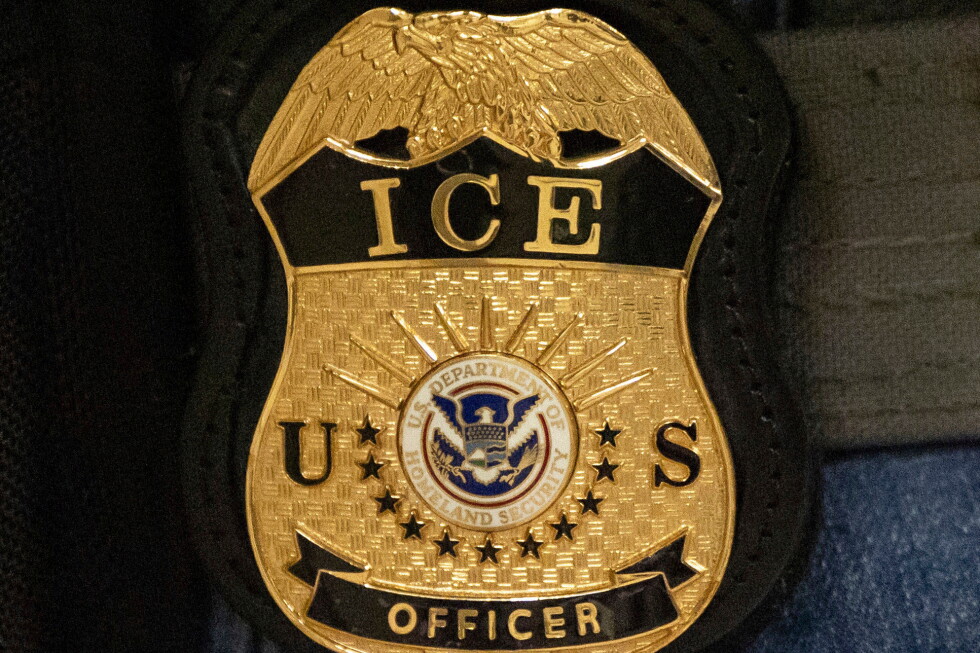
U.S. Immigration and Customs Enforcement is pitching a plan to help shield local police officers who make immigration arrests from possible financial consequences if they are accused of on-duty misconduct. This was reported by Qazaqyia.kz citing Associated Press.
The agency is proposing to subsidize liability insurance for state and local officers who are trained and deputized to enforce federal immigration laws, according to a planning document published Friday.
ICE's partnerships with local departments have soared since President Donald Trump returned to the White House last year and may get an additional boost with liability insurance by removing a hurdle that has made some local police departments reluctant to join. The Associated Press is the first to report on this insurance proposal.
Under the plan, officers would purchase insurance covering up to $500,000 in personal liability, which typically funds legal fees, settlements and judgments. Officers would be reimbursed up to $250 annually — roughly what the insurance is expected to cost.
One prominent critic of ICE's immigration crackdown said the program would be yet another way for officers to avoid personal accountability for misconduct. David Bier, director of immigration studies at the Cato Institute, who has called on Congress to make it easier to sue ICE agents for wrongdoing, said: "The concern here is that ICE is going above and beyond to guarantee law enforcement does not have even the slightest risk of liability for violating Americans' rights while helping ICE arrest people."
ICE outlined the plan in a document informing industry officials that it is considering hiring a contractor to help provide outreach, training and communications support for its so-called 287(g) partnerships with local departments. The contractor would hire the insurance vendor and process the reimbursements, among other tasks. ICE has asked for industry feedback by Thursday. The proposed timeline for launching the program and its estimated cost are unclear.
During Trump's second term, ICE has offered generous financial incentives to participating local agencies, increasing the number who have partnered with the federal government, as well as the number of arrests. Nearly 1,600 agencies in 32 states now have agreements to participate in ICE's task force model, in which trained local officers can interrogate, arrest and charge people suspected of being in the country illegally, according to ICE data.
Departments qualify for funding to help cover expenses like their officers' pay, equipment and vehicles. With encouragement from state and local Republican officials, agencies in Florida, Texas, Oklahoma and Georgia have been among the leaders.
Arrests made through such programs jumped to an average of 3,000 per month in the first two months of 2026, according to the most recent ICE data provided to the University of California Berkeley's Deportation Data Project. That compares to a monthly average of 250 in 2024 under President Joe Biden.
As local officers increasingly carry out federal immigration work, they and their departments have expressed concerns about the civil liability that could result from claims alleging excessive use of force, wrongful arrest and illegal search and seizure, among other things. That's because insurance policies that cover their local work may not apply. Pennsylvania's risk pool, for instance, recently made clear that it would exclude "proactive immigration enforcement activities" from coverage, forcing several participating counties to search for other insurance.