The Independent Commission Against Corruption (Icac) public hearings for Operation Rosny in Sydney have ended after 10 weeks. The inquiry examined branch stacking, prohibited donations and pressure on officials in the NSW Liberal party. This was reported by Qazaqyia.kz citing The Guardian.
Many people watching the hearings came to admire the forensic questioning of the counsel assisting the inquiry, Peggy Dwyer SC. On the opening day in July, she emphasised the central role of electoral donations laws, observing: "Money in politics, as in other spheres of life, has the potential to corrupt."
Main allegations
The three main allegations of the Icac inquiry were likened to a "three-tentacled octopus". First, the commission examined allegations that senior New South Wales Liberal politicians supported the branch-stacking efforts of a factional group of young conservative Christians known as the Reformers. They planned to recruit 5,000 Christian conservatives "and thereby take control of the NSW division of the Liberal party". They wanted to deliver more conservative policies on abortion, euthanasia, marriage equality and climate change.
Second, the anti-corruption watchdog examined whether three Liberal figures took $2m in donations from property developer Jean Nassif to support branch stacking, damage the career of the then Liberal minister David Elliott and remove the building commissioner David Chandler.
Some of those named in the allegations stated payments for factional work do not count as donations to a political party. Or, alternatively, that the payments were for genuine lobbying and consulting work, not political outcomes.
In response to a recent parliamentary question about whether payments to factional groups inside parties were donations, the NSW Electoral Commission said it would not comment on matters referred to Rosny. Icac's ruling in the untested area should be more conclusive.
Jean Nassif's appearance from a Beirut bedroom
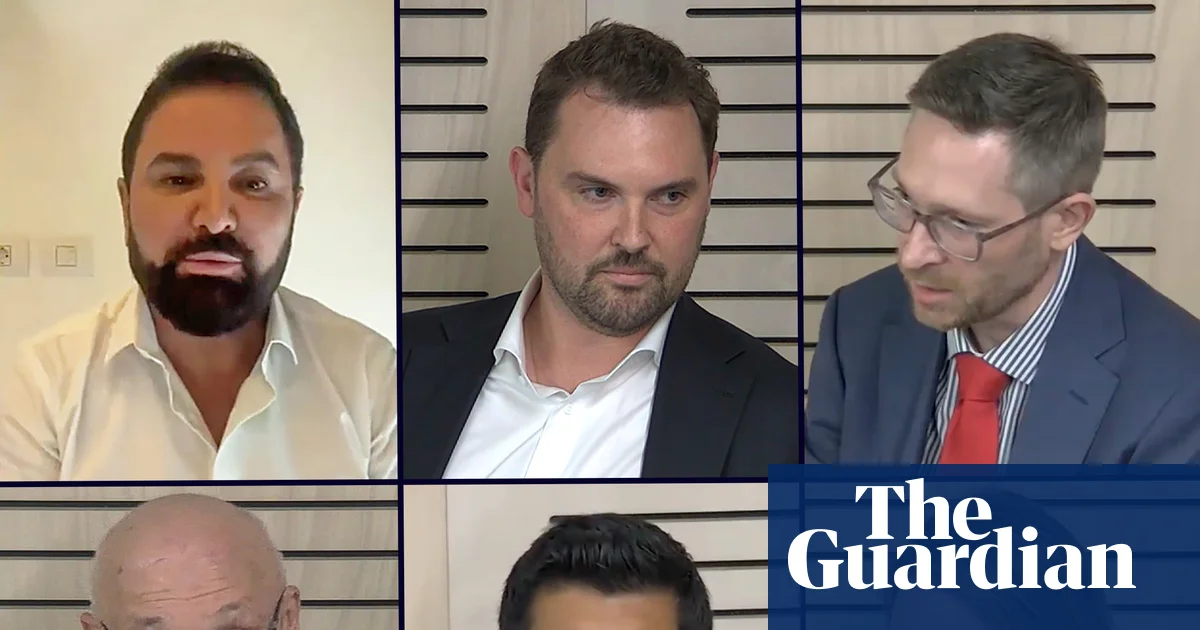
Rosny's public hearings have been, at times, darkly entertaining. There has been tragedy, comedy and unintended satire. The drama's climax was Nassif's appearance via video link from his Beirut bedroom.
Over two days, Nassif raged against allegations of corruption – as well as Elliott and Chandler. He claimed he had left Australia to receive "an international award for number one businessman from [an] Arabic background" and would return after he had collected "a beautiful legal team who are willing to fight politicians – to clear my name". But, he told the patient Dwyer, he would not come back to be "killed by the mafia boys".
Whealy describes Nassif's appearance as the "theatre of the absurd". It is his opinion that most of the fugitive developer's evidence will not be accepted by the commission.
The transparency advocate says "20 years ago" public hearings could expose witnesses to embarrassing media coverage before any findings of corruption were made or criminal prosecutions recommended. These days the rules of procedural fairness are "very carefully observed", he says, such as making it very clear when someone is not the subject of any Icac allegations.
Political consequences
The federal opposition leader, Angus Taylor, faced frequent questions from reporters outside Icac about messages revealed during the early days of Rosny about a plan to "shake down Angus for 10K". Taylor, who is not accused of wrongdoing, was forced to repeatedly deny making payments to the Reformers. He declined to provide a "running commentary" on matters before Icac.
There have been consequences for some of those named in Icac's allegations. The person who sent the "shake down Angus" message, Taylor's factional ally, Dallas — one of those named during the inquiry.
Icac's final report on Operation Rosny has not yet been published. The commission's rulings should clarify the scope of electoral donations laws.