In the port of Bandar Abbas, fishermen unload baby sharks caught in their nets. This is not an ordinary fishing port but a key focal point of the US-Israeli war with Iran. This was reported by Qazaqyia.kz citing BBC News.
When the US and Israel launched attacks on 28 February, Iran retaliated by attacking neighboring Gulf states and turning its geography into leverage. Iran's Islamic Revolutionary Guards Corps (IRGC) fired on commercial ships attempting to pass through the strait without permission, making it impassable. Seafarers were stranded, and oil prices surged.
The US retaliated with a blockade targeting ships using Iran's Gulf ports. For months, the waters were too dangerous for fishing. Now, after a ceasefire agreement, the sea is calm and fishermen are returning.
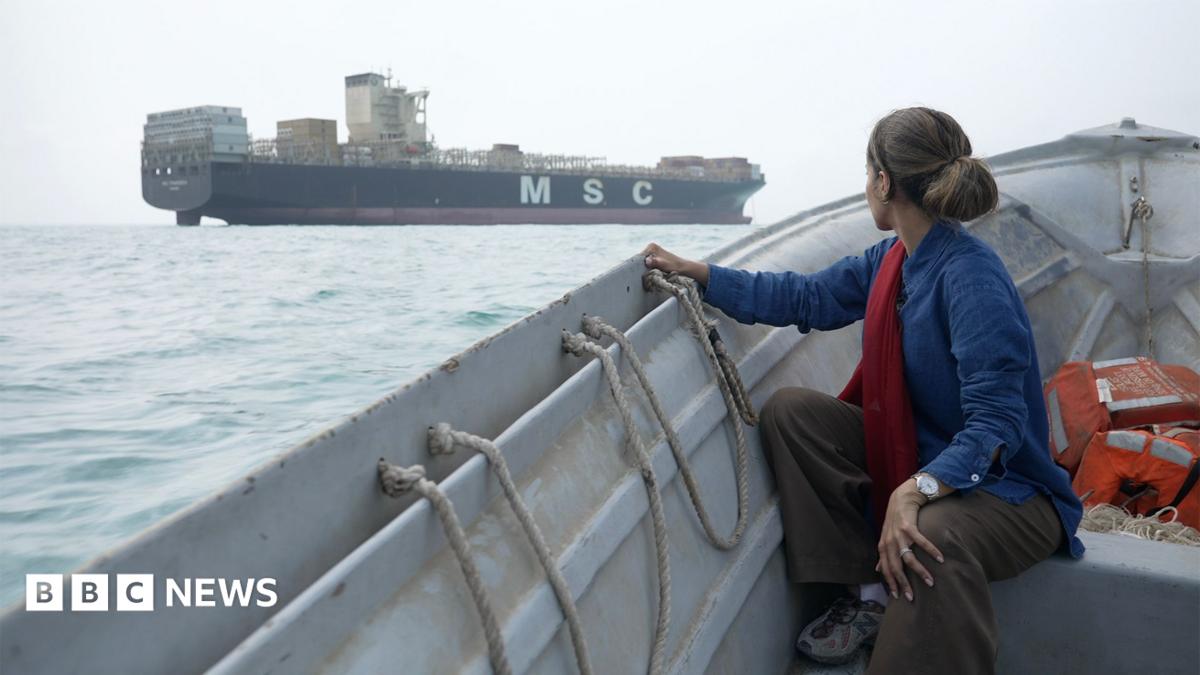
Fisherman Abdol Rahman took the BBC through the strait, where two container ships seized by the IRGC in April came into view: the MSC Francesca and the Epaminondas, flagged to Panama and Liberia. Despite the ceasefire, they have not been released. Dozens of cargo ships wait offshore for Iranian permission.
Near Hormuz Island, a 16th-century Portuguese fortress stands as a reminder of centuries of struggle for control. Bandar Abbas remains strategically important, hosting Iran's Navy and IRGC naval arm. In peacetime, about a fifth of the world's oil and gas shipments pass through these waters.
US President Donald Trump has threatened escalation, but Iran has not fully reopened the strait. In Bandar Abbas, life is returning to normal: families have returned, shops have reopened, and the market is bustling. An apartment block hit by an Israeli strike on 26 March remains in ruins.