The new plan for Hamas to disarm in Gaza offers rare hope, despite many obstacles. This was reported by Qazaqyia.kz citing BBC News.
Hamas has agreed to disarm in Gaza. The essence of the plan: as Hamas hands over its weapons, Israel pulls out of the 70% of Gaza it occupies. That may sound simple, but the realities of politics, war, zero trust, the deaths of thousands and the destruction of Gaza make the process very complicated.
Life in Gaza is catastrophic for well over 2 million Palestinian civilians living in desperate conditions. Israel has destroyed their homes and livelihoods. According to the Hamas-run health ministry, Israel killed more than 70,000 Palestinians during the war, and more than 1,000 more since the ceasefire. UNICEF says Israel has killed more than 20,000 children since 7 October 2023, with at least 1,000 babies among the dead and wounded.
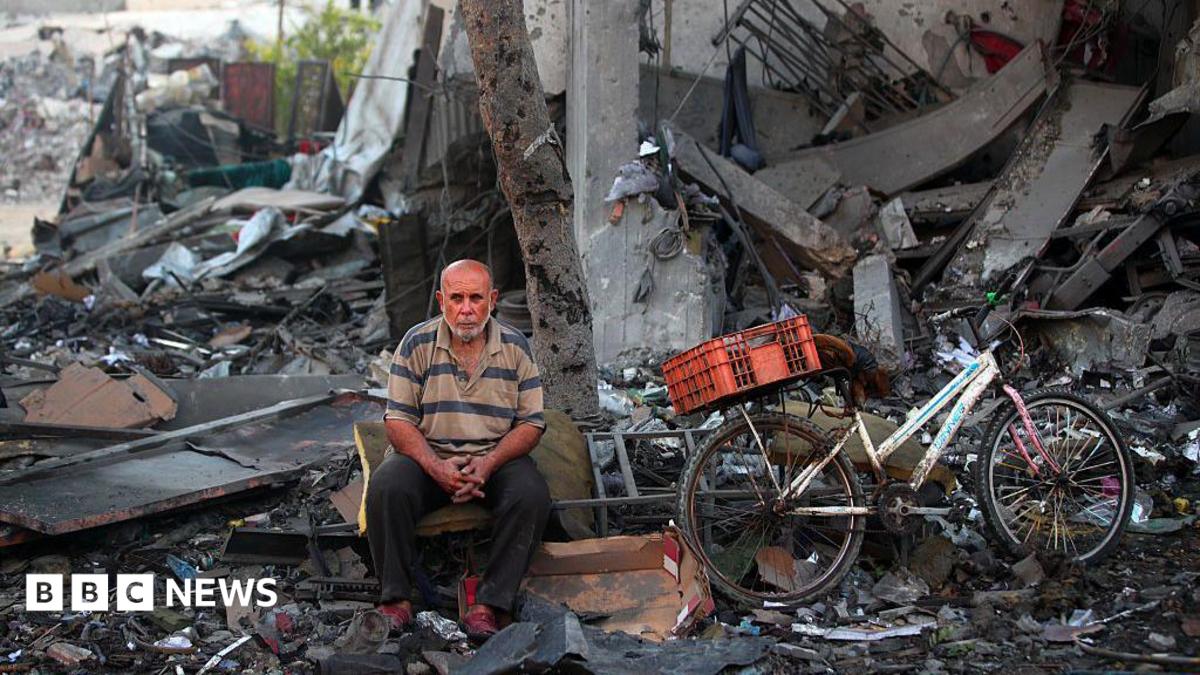
Much of Gaza is rubble. It is not just damage caused by IDF military operations. There has also been an organised, officially sponsored project to destroy communities and smash infrastructure. Israeli civilian demolition contractors have been contracted to finish the job started by IDF bombs.
Many Palestinians believe Israel wants to force them out by making life insupportable. Leaders and senior officials in Jordan and Egypt also believe powerful individuals in the Israeli government are working to create conditions for ethnic cleansing of Palestinians.
On the Israeli side, there is a strong sense among the Jewish majority of about 80% that Hamas will remain a deadly threat until totally disarmed. On 7 October 2023, Hamas and other Palestinians attacked Israel, killing almost 1,200 people, around two thirds civilians including children, and taking 251 hostages. Many Israelis believe Hamas would do it again if it had the chance.
The diplomatic process that produced the agreement does not operate in a bubble. Making the plan work depends on broader issues. Israel has a general election at the end of October. Prime Minister Benjamin Netanyahu is behind in the polls, fighting for his political life and potentially his liberty. While in office, his corruption trial has slowed to a crawl.
Netanyahu faces domestic and international pressure. He does not want opponents to accuse him of being soft on Hamas. Internationally, the only address that matters is Washington. The US has midterm elections in November. President Donald Trump cannot win the war on Iran, so he needs a win in Gaza. If his Republican party loses badly, his power will drain away. Trump will blame Netanyahu if he decides he is preventing victory.
Netanyahu boasts he can handle the Americans better than rivals. A Trump tirade before election day would scupper that. Netanyahu is an expert at playing for time, juggling pressure until election day.
Hamas is under severe pressure. Most senior men and thousands of fighters were killed. The IDF still assassinates senior figures. Many Palestinians blame Hamas for the consequences of the 7 October attack. Hamas also faces challenges from powerful families and Israel-backed militias.
Hamas is trying to rebuild grassroots support. As BBC Gaza correspondent Rushdi Abu Alouf put it: "For months, Hamas increasingly shifted focus to social and political outreach, expanding Quran memorisation programmes and charitable activities, while taking advantage of the humanitarian crisis."
Khalil al Hayya, the newly confirmed political leader of Hamas, was crucial in dropping objections. Egypt and Turkey did much diplomatic work. Hamas concessions are linked to Israel agreeing to pull back. Israel demands full disarmament as a precondition.
Only a step-by-step agreement, starting small and building confidence, has a chance. Trump must stay engaged, which is uncertain. Sustained diplomatic engagement and no sudden shocks are needed. The occupied West Bank is on the verge of worse violence. ACLED says 2026 is on track to become the most violent year.