The International Criminal Court (ICC) has "concrete evidence" linking leaders of the paramilitary Rapid Support Forces (RSF) to recent war crimes in the Sudanese state of Darfur, the ICC's deputy chief prosecutor says. This was reported by Qazaqyia.kz citing BBC News.
Nazhat Shameem Khan told the BBC the ICC had reached a "breakthrough" in its investigation into the massacres of civilians in the cities of el-Fasher and el-Geneina. "It may take time for justice to develop, to be brought to the court, but we will get there," Khan said, adding that RSF leaders have also been linked to crimes against humanity.
The siege and takeover of el-Fasher marked one of the bloodiest episodes in the ongoing war between the RSF and Sudan's army. More than 6,000 people were killed in el-Fasher as the RSF seized the city in October last year, the United Nations says, while the paramilitary group is accused of carrying out a similar massacre in el-Geneina. The group has repeatedly denied carrying out widespread killings anywhere in Darfur.
Khan said: "We have now found concrete evidence that links what is happening on the ground through linkage evidence to specific persons in leadership mode." However, she did not give a timeline on when charges might be brought against those responsible for the atrocities in the war, which began in April 2023. "We cannot say how quickly or how long it's going to take," she said. "But we can say that progress has been significant and that we have achieved a breakthrough."
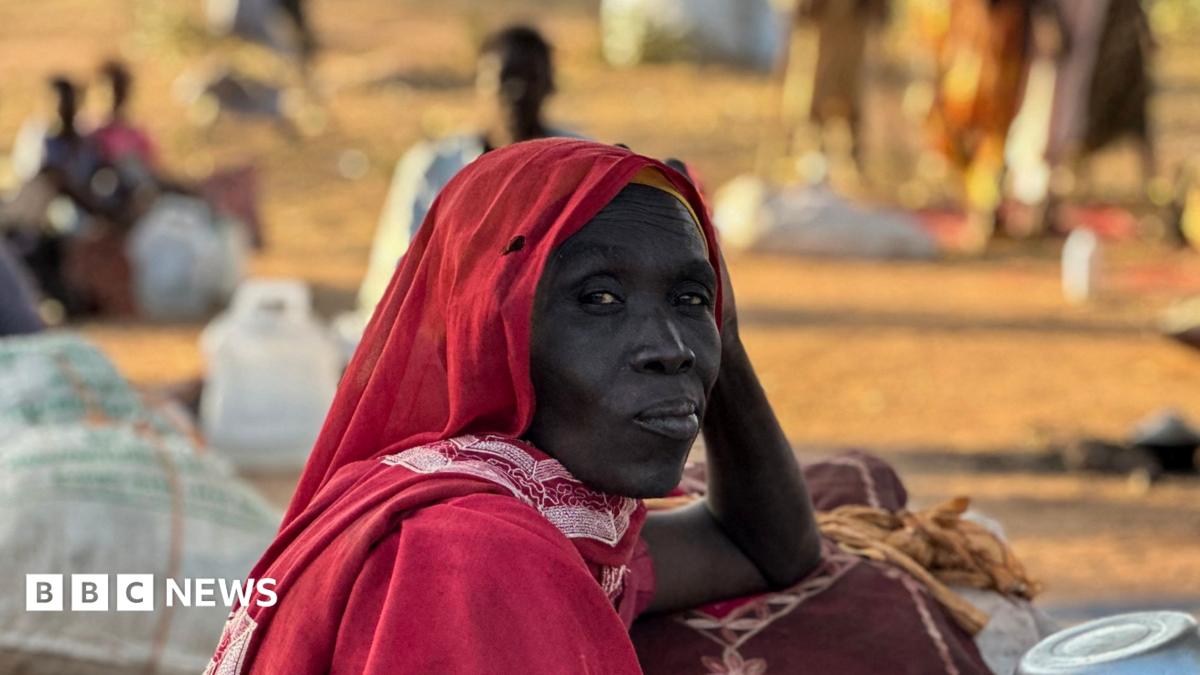
The ICC, based in the Dutch city of The Hague, is a global court with the power to bring prosecutions for genocide, crimes against humanity and war crimes. Khan spoke to the BBC after visiting refugee camps in eastern Chad, where those who had fled the fighting in Darfur told her of the atrocities they had suffered. Tens of thousands of people were forced to leave their homes in el-Fasher and the UN said the violence there bore the "hallmarks of genocide".
The RSF has denied widespread allegations that killings in the city were ethnically motivated and follow a pattern of the Arab paramilitaries targeting non-Arab populations. The group insisted the scale of the atrocities had been exaggerated but acknowledged that some violations had occurred in the city. Shortly after the capture of el-Fasher, RSF leader Gen Mohamed Hamdan Dagalo said the group was investigating any atrocities. The probe is ongoing, the RSF said recently.
The ICC has been investigating allegations of war crimes in Darfur for more than 20 years since the previous round of violence in the 2000s. "What we see is patterns of offending that in fact were the same patterns of offending 20 years ago when this situation was first referred to us by the Security Council," she said. Khan said the ICC investigation included witness accounts, testimonials and corroborative evidence such as videos, photographs and forensic evidence.
Previous investigations have led to seven arrests and six separate cases being brought before the court for alleged war crimes and crimes against humanity. Those charged include Sudan's former President Omar al-Bashir. He remains at large, having been ousted in a coup in 2019. It is believed he is being held in a secure medical facility in Sudan. Four others face arrest warrants but have not been detained. Last year, the ICC sentenced one former militia leader to 20 years in prison after he was successfully convicted of 27 counts of war crimes and crimes against humanity, committed in Darfur from 2003 to 2004. Ali Muhammad Ali Abd-Al-Rahman was a senior figure in the Janjaweed, a government-backed group which targeted Darfuri civilians who were not part of country's majority Arab population. The Janjaweed was one of the groups which developed into the RSF, a paramilitary force once aligned with Sudan's army, but which it is now fighting.