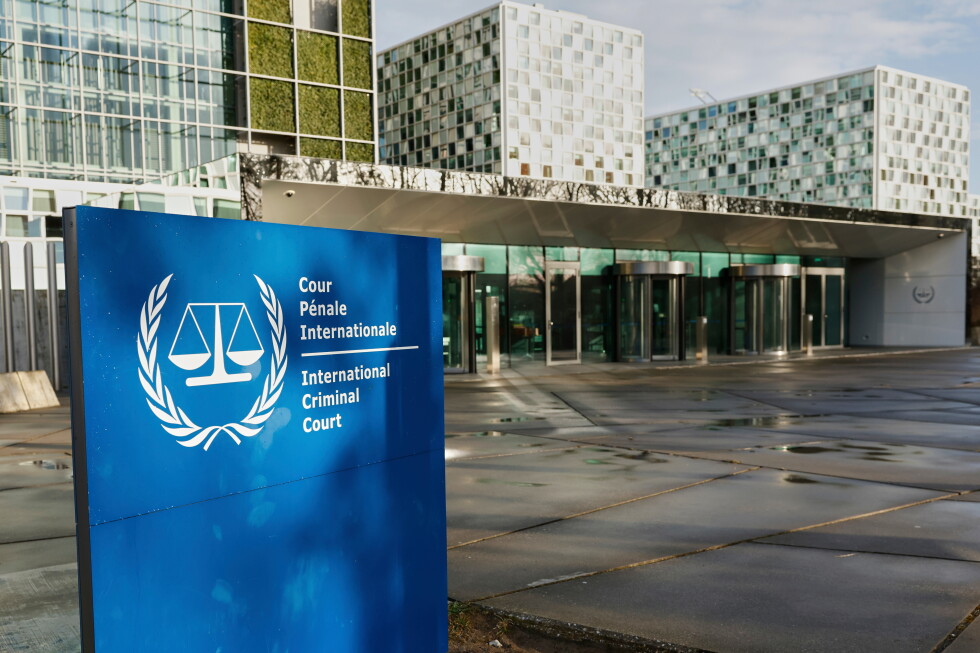
The International Criminal Court on Wednesday slammed the latest U.S. sanctions targeting senior ICC staff, including its president, as a "flagrant attack" on the global tribunal's independence and vowed to continue seeking justice for atrocities around the world. This was reported by Qazaqyia.kz citing Associated Press.
The State Department announced Tuesday that it had hit ICC president Tomoko Akane, a Japanese national, and ICC senior trial lawyer Abdoulaye Seye, who is from Senegal, with sanctions that freeze any assets they have in U.S. jurisdictions or come into contact with the U.S. financial system.
The Trump administration has now slapped sanctions on nine of the ICC's 18 judges, both of its deputy prosecutors, its former chief prosecutor and one other prosecution office staffer, the court said. The U.S. accuses the court of overstepping its mandate by investigating and seeking to prosecute senior military and political officials from countries, such as Israel and the United States, that are not members of the court.
In a statement, the court said that when "judicial actors are threatened for applying the law, it is the international legal order itself that is placed at risk." It said the court "will continue to fully discharge its mandate with independence and impartiality."
In a statement Tuesday, Secretary of State Marco Rubio branded the ICC "a corrupt and fatally politicized supranational court that has maliciously abused its authority and exceeded its mandate."
The move came weeks after Rubio announced that the U.S. was launching a "sweeping campaign to dismantle the threat posed by the International Criminal Court to U.S. sovereignty." Rubio said he will pressure the court's 125 member states to withdraw from the institution, sanction organizations that work with the court and ban staff from traveling to the United States.
Since then, Venezuela and Chad have announced they plan to leave the court, bringing the number of countries to pull out of the court in the past year to five. It takes a year for a country's decision to quit the court to be formalized.
The sanctions can impact the daily lives of court officials. They prevent the ICC officials and their families from entering the United States, block their access to even basic financial services making even going to a grocery store difficult.