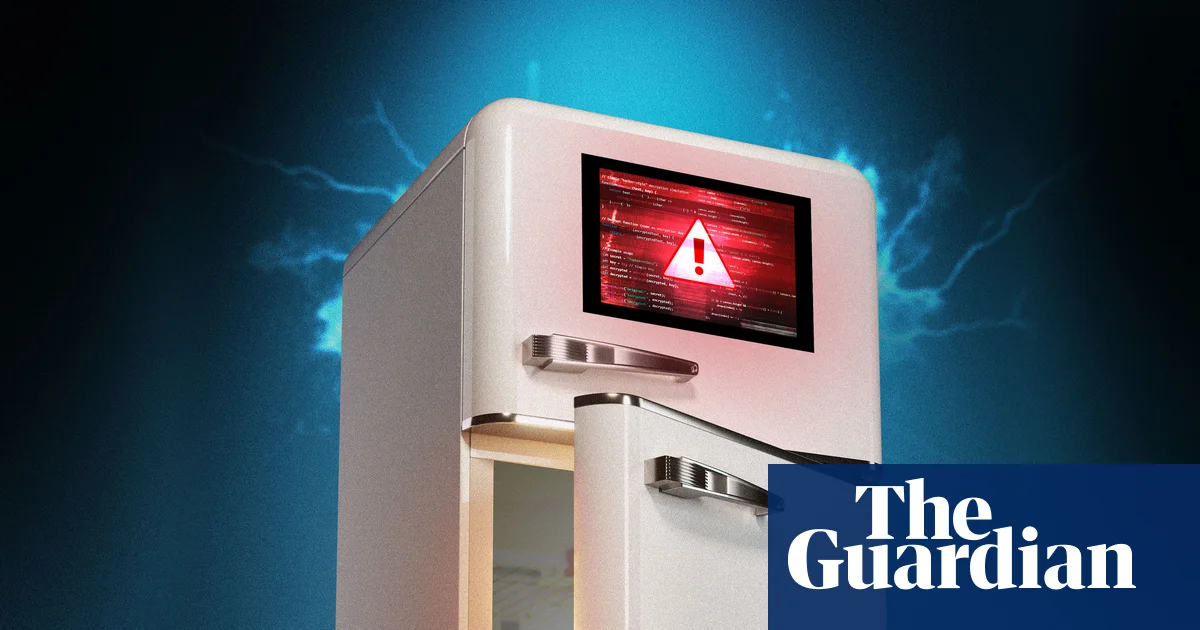
In recent weeks, the world has witnessed a series of large-scale cybersecurity incidents: hot fridges, a fake nuclear alert and a $6bn heist. This was reported by Qazaqyia.kz citing The Guardian.
A new wave of cyberattacks
According to The Guardian, artificial intelligence is exposing vulnerabilities in IT systems, and geopolitical conflicts are moving into cyberspace. Experts suggest that such incidents could become more frequent in the near future.
Hot fridges
The article highlights hot fridges as an example of internet-connected household devices being vulnerable to cyberattacks. Malicious actors use vulnerable devices to build botnet networks, which can be used to launch large-scale attacks.
A fake nuclear alert
Another incident is a fake nuclear alert. This demonstrates hackers' ability to penetrate critical infrastructure and cause public panic. Such actions pose a direct threat to information security.
A $6bn heist
Additionally, a $6bn cyber heist was recorded. It is described as one of the largest cybercrimes in history. The sum could cause significant damage to financial and other organizations.
Expert predictions
According to experts, the development of artificial intelligence increases the effectiveness of cyberattacks and enables faster identification of flaws in defense systems. Geopolitical factors also affect cybersecurity, increasing interference by state actors. Consequently, specialists fear that such events will become more frequent in the near future.
This issue is drawing global attention and highlighting the need to strengthen cybersecurity measures.