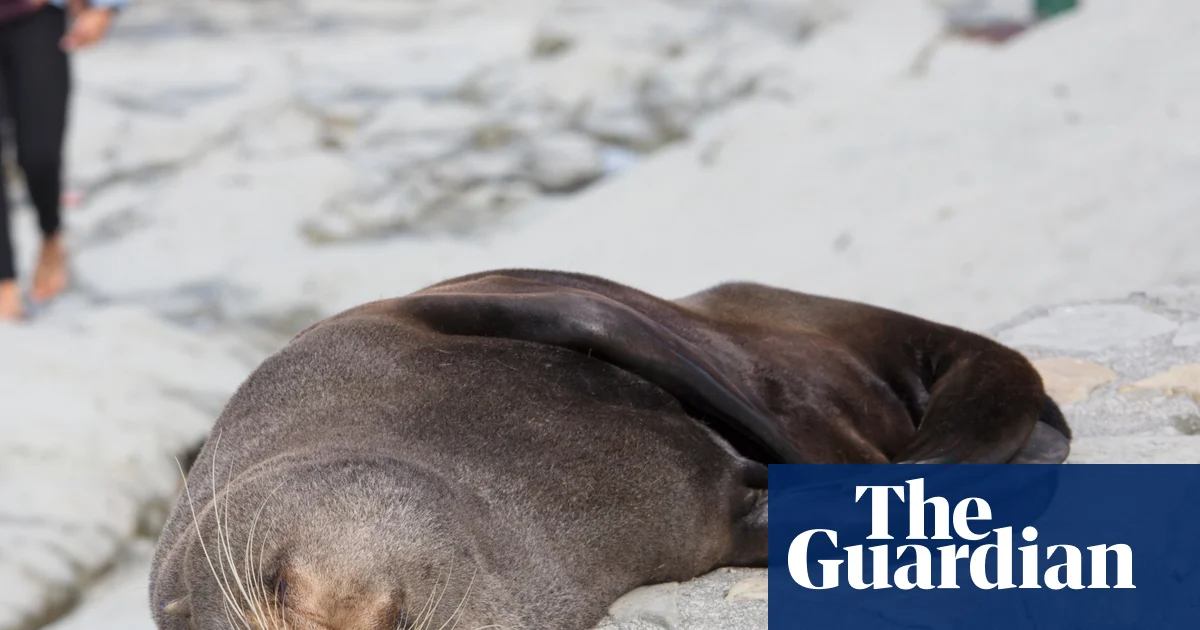
A long-nosed fur seal has died from H5 bird flu in South Australia, marking the first confirmed case in a mammal on the Australian mainland. The seal was found dead at Beachport on Wednesday on the state's Limestone Coast. This marks a fresh escalation in the spread of the virus days after the South Australian premier, Peter Malinauskas, announced three mass mortality events on offshore islands involving more than 1,000 greater crested terns. This was reported by Qazaqyia.kz citing The Guardian.
The highly pathogenic strain of bird flu has killed millions of birds globally and crossed over into mammal species, including elephant seals. Long-nosed fur seals and the endangered Australian sea lion are among the mammal species the federal government has assessed as facing very high risk from the virus. The SA government has also confirmed a little penguin found at Kangaroo Island this week also tested positive for H5 bird flu.
Spread of the virus
This strain of the H5N1 virus (H5) has caused mass die-offs in birds in recent years and has in some cases crossed into mammals. While this is the first confirmed mammal death on the Australian mainland, globally there have been die-offs of large mammals such as elephant seals.
Severity of the situation
South Australian premier Peter Malinauskas previously announced three mass mortality events involving more than 1,000 greater crested terns on offshore islands. These events indicate the rapid spread of the virus.
Species at risk
The federal government has assessed long-nosed fur seals and the endangered Australian sea lion as facing very high risk from the virus. This situation underscores the need for enhanced wildlife protection measures.
Additional confirmation
The SA government has also confirmed that a little penguin found at Kangaroo Island this week tested positive for H5. This indicates the virus is also spreading among seabirds.
Conclusion
This case shows that H5 poses a threat to mammals on the Australian mainland as well. Experts emphasize the need for strict control measures to prevent further spread of the virus. It is important to monitor the situation as it develops.