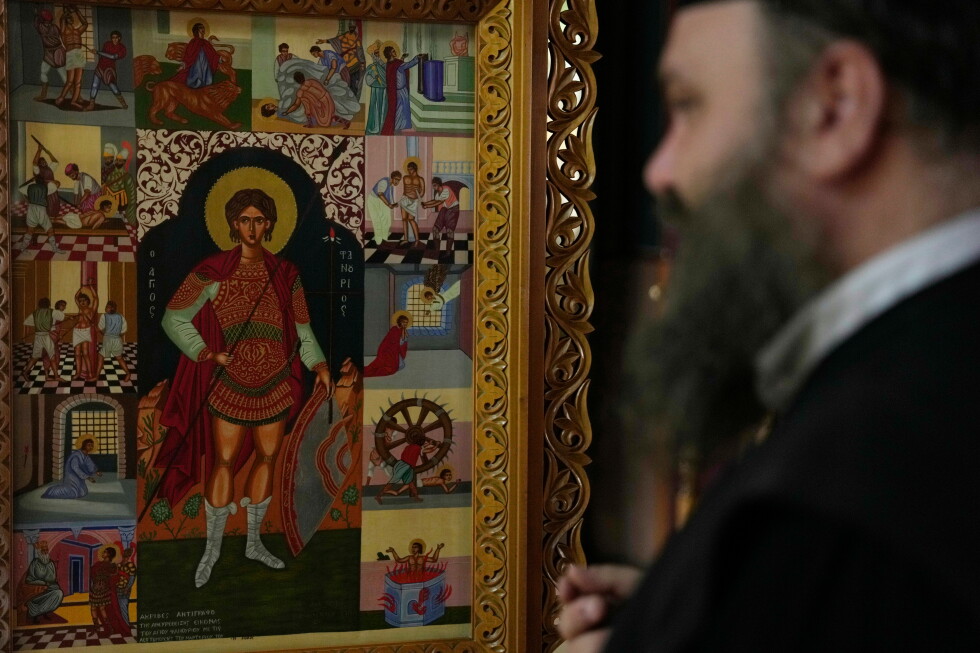
At the Church of St. Fanourios in Athens, on August 25-26, 2026, hundreds of pilgrims lined up to have their Fanouropites, orange-flavored cakes, blessed. This tradition has long existed in Greece: people ask Saint Fanourios for help in difficult situations, such as finding lost items or resolving heartaches. This was reported by Qazaqyia.kz citing Associated Press.
Saint Fanourios, known in Greek as "The Revealer," is believed to help people find lost things. His feast day is celebrated on August 27, and in the days leading up to it, people bake special cakes and bring them to church for blessing.
Fanouropita is a sweet bread with orange flavor, made from simple ingredients. While baking, people make wishes, and after the blessing in church, the cake is shared at home with family. This tradition is especially common during hard times, such as illness, job hunting, or personal problems.
According to an Associated Press correspondent, at the Church of St. Fanourios in Athens on August 25-26, many people stood in line to have their cakes blessed. Among them was 66-year-old Maria Chanioti, who brought her cake and received a blessing. People knelt and prayed before the icon of the saint.
This tradition has deep roots. Saint Fanourios is a revered saint in the Orthodox Church, though little is known about his life. He is known as a helper in finding lost items and in difficult situations. His name in Greek means "to reveal," hence the title "The Revealer."
The church's priest, Father Nikolaos Vlavianos, blessed the parishioners' cakes and read prayers. In an interview with Associated Press, he explained the significance of this tradition: "People ask Saint Fanourios for help, and we support their faith. This is an expression of faith that helps people not lose hope in difficult times."
The tradition of baking Fanouropita is widespread in all regions of Greece. Each family has its own recipe, but the basic ingredients are flour, sugar, orange juice, olive oil, and cinnamon. Some families add nuts or raisins. After baking, the cake is brought to church for blessing, then shared at home.
Associated Press photographer Thanassis Stavrakis captured images showing pilgrims waiting in line with their cakes, and the priest blessing them. The photos also show the icon of Saint Fanourios.
This tradition exists not only in Greece but also in other Orthodox countries, but it is especially revered in Greece. The feast of Saint Fanourios on August 27 is widely celebrated, and preparations begin days in advance.
Associated Press reports that this year the church in Athens was especially crowded. This indicates a growth in faith. Many pilgrims brought their cakes, received blessings, and took them home. Some ate the cake right in the church, while others took it home to share with family.
Among those who believe in Saint Fanourios's help are people of all ages, from young to old. Each has their own wish: some seek lost items, others pray for health, and others for solutions to personal problems.
Associated Press described this tradition and highlighted its importance in Greece. As the article states, Fanouropita is not just a sweet bread but a symbol of faith and hope. When people bake it, they voice their wishes, and after the blessing in church, they believe their wishes will come true.
This tradition is part of Greece's cultural heritage and is passed down from generation to generation. The feast of Saint Fanourios is a day when people come together and share their faith. The festive atmosphere in the church, the prayers, and the aroma of cakes are all integral parts of the Orthodox tradition in Greece.
The Associated Press article includes 13 photographs, each showing different moments of this tradition. The photos show pilgrims waiting in line, the priest blessing the cakes, and people eating their cakes. These images create a vivid picture of this unique tradition in Greece.
In conclusion, the tradition of baking cakes in honor of Saint Fanourios in Greece is a symbol of faith, hope, and community. It provides comfort and support in difficult times. Associated Press published this tradition and emphasized its significance.