Hundreds of Palestinians have died waiting for medical evacuation from Gaza. This was reported by Qazaqyia.kz citing BBC News.
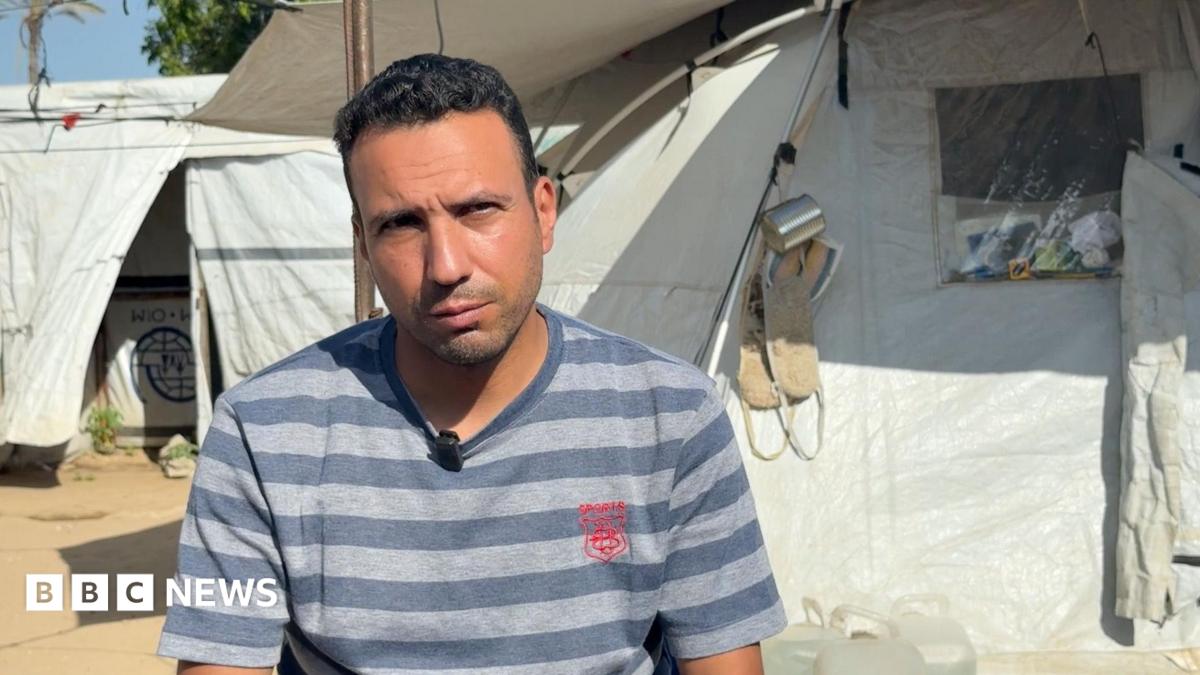
Saber Abu al-Kas said his mother Amina Abu al-Kas died last month while waiting to leave Gaza for treatment abroad. She was suffering from an aggressive necrotising infection that had spread to her skull. Doctors in Gaza told her they did not have the medicines or therapies to treat it.
"My mother couldn't sleep day or night; she stayed awake, crying out from the pain. Painkillers caused stomach ulcers and inflammation, and the doctors banned her from taking them," Saber said.
After receiving the medical referral, the family waited for news that Amina had passed security clearances and had been accepted by a foreign country for treatment. "We knew that at any moment God might take her. And we also knew that at any moment a miracle might happen, that we might get a call saying, 'Get your bags ready and prepare to travel through the crossing,'" Saber said.
"We waited a long time, but no response came. My mother died [on 29 May], and two weeks after her death, I got a call from the hospital informing me that her paperwork was ready."
Gaza's Hamas-run health ministry says Amina is one of 300 Palestinians who have died waiting for medical evacuations since the US-brokered ceasefire between Israel and Hamas began there last October. The figures are also used by the World Health Organization (WHO), which assists with patient transfers via Gaza's Israeli-controlled border crossings with Israel and Egypt.
Thousands of others - the health ministry currently says 15,000 - are still waiting for treatment abroad - some for war-related injuries; others for conditions such as cancer. Since the ceasefire began over eight months ago, the WHO says 1,977 people have left Gaza for medical treatment. Unless the process speeds up, it could take years to evacuate all those in need.
"We are talking about something that feels like a miracle," Saber said. "If a patient's name is selected and they are granted permission to travel for treatment abroad, it is almost a miracle."
After being approved by Gaza's medical referral board, patients must pass security checks by Israel, the host nation and any transit countries – and also be accepted by a host nation for treatment. WHO Representative Dr Reinhilde Van de Weerdt said many recipient countries are quite specific in the type of patients they can support.
In early June, Gaza health ministry's acting undersecretary Maher Shamia said the primary causes of the delays were the lengthy security screening process and the limits imposed by Israeli authorities on the number of departures. He added that Palestinians were only allowed to leave via the Rafah crossing with Egypt three days a week, and that medical evacuations via the Kerem Shalom crossing with Israel took place only one day a week.
The Israeli defence ministry body responsible for civil affairs in Gaza, Cogat, said departures were subject to the receipt of an official request from a receiving country and the completion of security screening. The "vast majority" of requests submitted by countries and organisations had been approved since the start of 2025.
Between the bombed-out buildings of Gaza City's al-Shifa hospital, dozens of people have gathered to protest against delays. Nidal al-Arir wails on the ground, pleading for his son, who needs a corneal transplant. Raeda Nuaizi says cancer led to the removal of her breasts, ovaries, uterus and pelvic bone. "What is my treatment [in Gaza]? Painkillers!" she cried. "But what can painkillers do for a cancer patient?"
Beside them, 14-year-old Muath al-Dini, balanced on crutches after a leg amputation, is waiting for two separate medical evacuations. His mother, Umm Samir al-Dini, told the BBC that Muath lost his leg in an air strike on their family home, which also killed another of her children, and injured her husband and younger son. But she said Muath had also been battling spinal cancer since he was a baby.