In Gaza, despite a ceasefire agreement, Israeli strikes continue, with over 1,400 people killed. This was reported by Qazaqyia.kz citing BBC News.
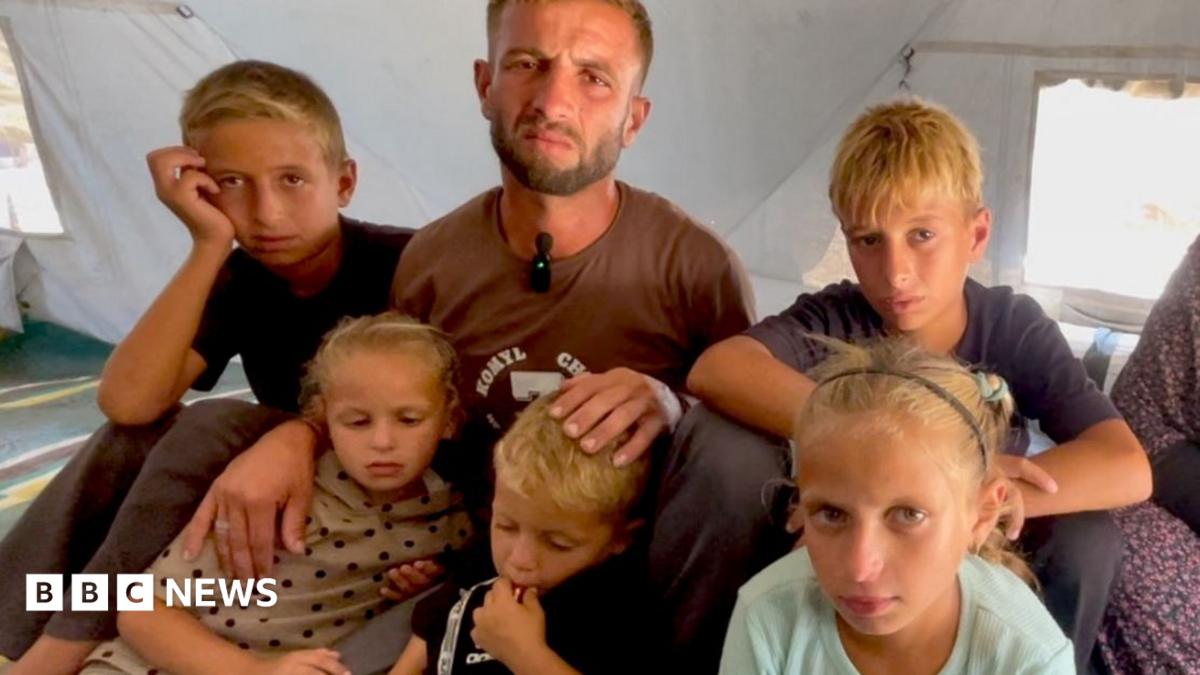
In her tent in central Gaza early one morning last month, 31-year-old Fida al-Toutah, a mother of five, was combing her daughter's hair when the sound of gunfire erupted. Her son Ezz, weeping as he spoke, recalled how his mother was killed. He said his mother died on 21 September from a gunshot wound to the head. Fida is among more than 1,400 people in Gaza who have been killed in Israeli attacks since the start of the ceasefire on 10 October 2025, according to Gaza's Hamas-run health ministry, whose figures are considered reliable by the UN.
The ceasefire saw thousands of Palestinians held by Israel released in return for all of the 48 remaining hostages held in Gaza, and an agreement to end the war - which was triggered by the Hamas-led attack on Israel on 7 October 2023, when about 1,200 people were killed and 251 taken hostage.
On the ground in Gaza, it meant that Israel's large-scale bombardment stopped, which brought substantial relief and an increase in humanitarian aid and medical supplies entering the territory. But even during the ceasefire, Israel has continued launching strikes in Gaza almost every day. In the past week alone more than 30 people have been killed, according to Gaza's health ministry.
Israel says it is targeting Hamas operatives, and accuses Hamas of continued violations of the ceasefire. "It [the ceasefire] is all lies. Every day there's a shooting. Every day there is killing and death lurking around," said Ahed, Fida's husband.
In response to the BBC's questions about Fida's killing, the Israel Defense Forces (IDF) said they had no record of the incident. The total death toll from Israeli attacks since the start of the war in Gaza three years ago now stands at more than 74,000, according to the Gaza health ministry.
Outside Fida's tent, her brother Ibrahim pointed to the holes he said were made by a volley of bullets fired by Israeli forces. "This tent is just a piece of cloth. Imagine that a military vehicle came down here and fired a spray of bullets," he said. "There was also gunfire coming from the sky, from above, from quadcopters, and it was directed at unarmed civilians." Fida is the fourth of Ibrahim's siblings to be killed since the start of the war. "We left our neighbourhood Zeitoun to survive, but death is following us," he said.
The family has moved seven times but safety has been out of reach. Most of Gaza's 2.1 million population has been displaced multiple times by the war, the UN says, with many forced to live in tented cities and unsafe structures.
On the same day that Fida was killed, 14-year-old Ismail al-Bardawil was also shot dead. He was killed in the al-Mawasi area of Rafah, in southern Gaza. His family told the BBC that he was shot by Israeli forces while he and his brothers were fishing in the Mediterranean Sea, around 20m (66ft) from the shore. He is one of more than 300 children killed since the start of the ceasefire, according to Gaza's health ministry. The IDF said it had no information about this incident either.
Over the past year, the IDF has released videos of its operations in Gaza targeted at Hamas and other groups. At least seven Israeli soldiers have been killed in Gaza since the start of the ceasefire.
Both Fida and Ismail lived close to the so-called Yellow Line that separates the areas occupied by the Israeli military in Gaza from areas controlled by Hamas in the west. Areas around the line are considered the most dangerous because Israeli forces have frequently opened fire there. But there are few options to move because there is an extreme shortage of space.
The strip was densely populated even before the war began. Now, its population is squeezed into under 40% of its area, which is controlled by Hamas. In those areas the group maintains a tight grip, clamping down on dissent and still recruiting fighters.
In May this year, Israeli Prime Minister Benjamin Netanyahu said he had directed the IDF to increase the area of Gaza under Israel's control to 70%.