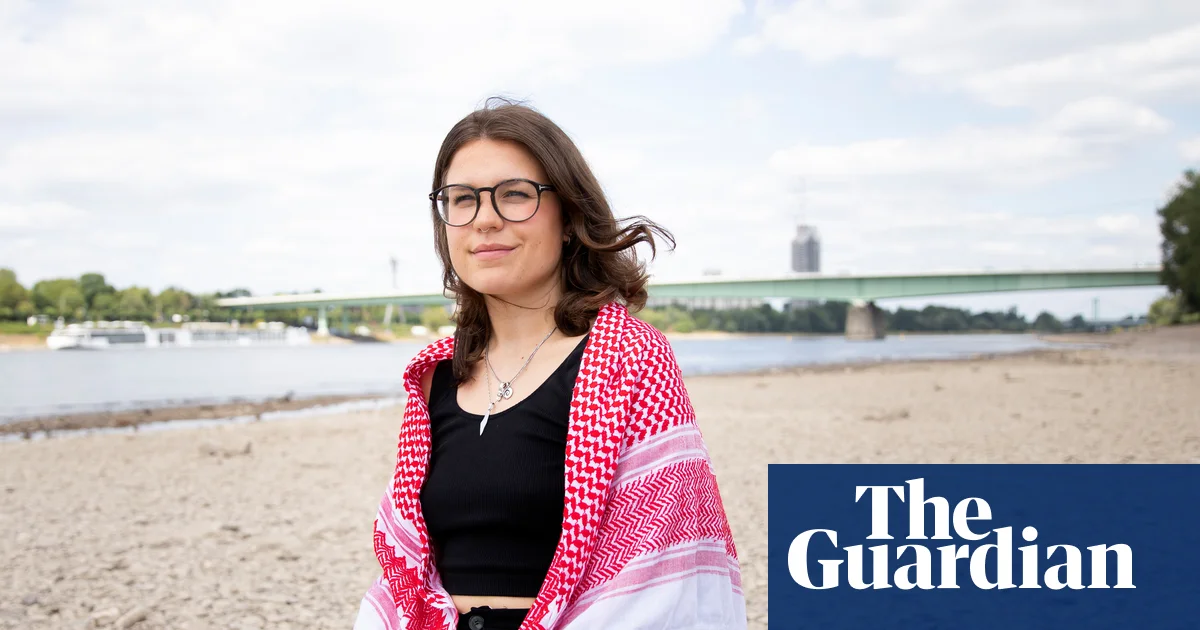
The third time Anna Liedtke was subjected to an illegal strip-search in Israeli detention, female prison guards forced her on to her knees, covered her mouth to stop her screaming and raped her, according to interviews and a criminal complaint filed in Israel. This was reported by Qazaqyia.kz citing The Guardian.
She described hearing male guards laughing during the attack, which she believes they watched and may have filmed. It took place in an area separated from the prison hallway by a partially drawn curtain that her attackers had left open.
Liedtke, 25, joined a flotilla sailing from Europe to Gaza with humanitarian aid last autumn. Israeli forces intercepted her boat in international waters on 8 October and took her to Israel, where she was detained for five days.
The abuse and violence directed at flotilla participants in Israeli prisons, including rape, was intended to intimidate, Liedtke said. "It's clear they want to break our will and silence us, making this so traumatic that we will never talk about Palestine again," she told the Guardian.
Instead, she told friends and doctors within days. In December she became the first flotilla activist to talk publicly about rape in Israeli detention. More than a dozen others have reported sexual assault, most anonymously.
Now lawyers acting for Liedtke in Israel have filed a complaint demanding authorities investigate her allegations. Israeli law defines rape as all non-consensual penetration.
"There is no reason for me to be ashamed," Liedtke said. "Whenever we are silent, they will do it to another person."
The complaint, sent to the Israeli attorney general, the Israel Prison Service's legal adviser, the Department for the Investigation of Prison Guards (Yahas), and the commander of Givon prison, was a challenge to a "culture of impunity" for abuse of prisoners in Israel, said Liedtke's lawyer, Muna Haddad.
"It is Anna's wish to seek justice and exhaust all avenues to hold the perpetrators of these acts accountable. We also want to raise awareness and see how the Israeli system responds when faced with our demand to open an investigation," Haddad said.
"Sexual violence and rape are recurring violations that have been perpetrated against Palestinian prisoners for nearly three years ... We are now seeing an escalation where Israel is prepared to expand this conduct to foreign citizens acting in solidarity with Palestinians."
By refusing to be shamed, Liedtke has transformed the attack into part of her activism. She said: "I don't think [speaking out] will lead to the end of rape in detention. But as a political woman I feel a responsibility to talk about it and with that, fight against it. This is not just my personal experience, it is more systematic. And I cannot stress enough that it is way, way less than what Palestinian prisoners experience."
Israel has normalised torture of Palestinians held in its jails, while officials have celebrated abuse of foreign activists and denounced the failed attempt to prosecute soldiers over a well-documented assault and rape.
The UN in May added Israel to a blacklist for sexual violence in conflict, citing abuse by security forces, including the rape of male detainees, and Britain this month raised concerns about sexual assault in Israel's detention centres at the UN security council.
Australian police are investigating rape and torture allegations made by flotilla participants in May, and French prosecutors have opened a war crimes inquiry into suspected torture and mistreatment of their citizens in Israeli detention.
Liedtke was briefed by members of previous flotillas before setting sail from southern Italy on 30 September, on a large former ferry, with about 100 other activists. She tried to prepare mentally for the possibility of violence, including sexual assault, in Israeli detention, but later understood that that was almost impossible.
She said: "You can know that they will sexually assault you, and you can tell yourself, OK, they will do that. And in the moment where it happens, it's like you've never heard about it. Because you don't know how your body will react."
Her advice to other activists now is as much political as practical. "You have to be convinced that this is the right mission. And in the end, understand that nothing can prepare you."
On 8 October, at about 4.30am, she was woken by the captain announcing: "This is not a drill, the Israelis are coming." They boarded the boat, sent the activists to the canteen and set sail towards the Israeli port of Ashdod, arriving in the evening.
Liedtke was taken for processing and said one fluent German speaker called her a "Nazi slut". The first sexual assault came shortly after, during a strip-search, she said. Israeli law requires consent from a detainee before a strip-search, Liedtke's lawyer said.