Flydubai flight FZ 1073, travelling from Dubai to Tel Aviv, encountered a catastrophic emergency on 30 September 2026, about two and a half hours after takeoff. The aircraft plunged from 34,000ft to 17,000ft in less than two minutes before making an emergency landing at Tabuk airport in Saudi Arabia. This was reported by Qazaqyia.kz citing The Guardian.
The flight
FZ 1073 is flydubai's daily low-cost service to Tel Aviv. The nonstop flight takes about three and a half hours and departs early enough from Dubai that it usually lands at Ben Gurion airport at about 9am local time. That was not the case for Wednesday's flight, which never made it to its scheduled destination.
The aircraft was a Boeing 737 Max. Israeli media reported that the plane was carrying about 150 Israeli passengers. Accounts from the airline, passenger testimony, flight trackers and Israeli officials describe a series of horrific events starting about two and a half hours after takeoff.
The plunge and emergency signals
The flight tracking website Flightradar24 recorded the aircraft abruptly descending from its cruising altitude of about 34,000ft to 17,000ft in less than two minutes. Investigators will look at whether such a sudden and ferocious movement was the reason for damage to the aircraft's rudder.
Minutes later, the plane sent out a series of emergency transponder signals in the form of "squawk codes". These four-digit codes are normally used by pilots to broadcast their position but can be used in an emergency situation, even if pilots are in radio contact with air traffic control. Aircraft trackers at Flightradar24 said the flydubai plane transmitted emergency and hijack signals. The aircraft made an erratic circle close to the Jordanian border before turning around and heading south.
Footage from inside
Footage posted online from inside the fuselage showed the aftermath of violence. In one video, two men lie on the floor with breathing masks on their faces as passengers stand over them in the cramped gangway. One wears a white shirt soaked red with blood, and the distinctive pilot stripes on his shoulders. He appears almost unresponsive. The other man blinks slowly, with blood smeared on the wall next to him. A person off camera appears to encourage the injured man to remain conscious: "No sleep," he says.
More footage, apparently from a seat further back, shows passengers screaming and weeping in distress as the Boeing 737 Max shakes.
In one video, a passenger with blood dripping from an open wound on his head pleads for assistance and says the jet is descending into Saudi Arabia. "Whoever is hearing me, we need help," the man says in Hebrew. "We are in the Tabuk area of Saudi Arabia, which we don't know. All the passengers are OK except for the pilot. We need help."
Witness accounts
What was happening during these critical minutes is still being investigated, but early unconfirmed reports pointed to a cockpit fight, followed by passengers storming up the aisle, and then either one or more pilots who were travelling as passengers wresting control of the plane to avert a disaster.
The Israeli newspaper Haaretz cited a passenger as saying that the plane lost control and began to dive.
Dalia Shpigel was quoted as saying that "suddenly there were terrible screams throughout the plane" before "three to five guys burst into the cockpit" and subdued the alleged assailant and began treating an injured pilot.
"We realised that the situation was stabilising and continued the flight. Gradually, information began to emerge about what had happened in the cockpit," Shpigel told Haaretz.
Her fellow passenger Miryam Shira Ohayon said the "co-pilot tried to murder the pilot and basically carry out a suicide attack on the plane".
Speaking to reporters via speakerphone held up by her mother, who was waiting at Ben Gurion airport, she said the plane "was really on the way to crashing, and it was simply the resourcefulness of many people who took control of the co-pilot and neutralised him".
"There was also a doctor who gave first aid, and people who treated both of them ... but the bigger fear was really a crash, which is exactly what he was trying to do," she said.
Airline statement
The Emirati carrier, in a statement later on Wednesday, said the aircraft was "successfully secured by on-duty flydubai crew travelling on the flight", who diverted and landed the aircraft safely at Tabuk airport. Airlines often move pilots around different airports as passengers, and it is possible it was these pilots who sent the emergency codes.
One passenger, Almog Itali, was quoted by the BBC as saying that one of the pilots onboard who stabilised the plane was British. "There were two spare pilots who were supposed to operate the next flight," he said. "The relief pilots are European, one of them British, who entered [the cockpit] and pulled the aircraft up, pulled the yoke, stabilised" it.
Investigation and aftermath
Israeli Prime Minister Benjamin Netanyahu said the pilot who stabbed the co-pilot on the Israel-bound plane may have tried to crash it.
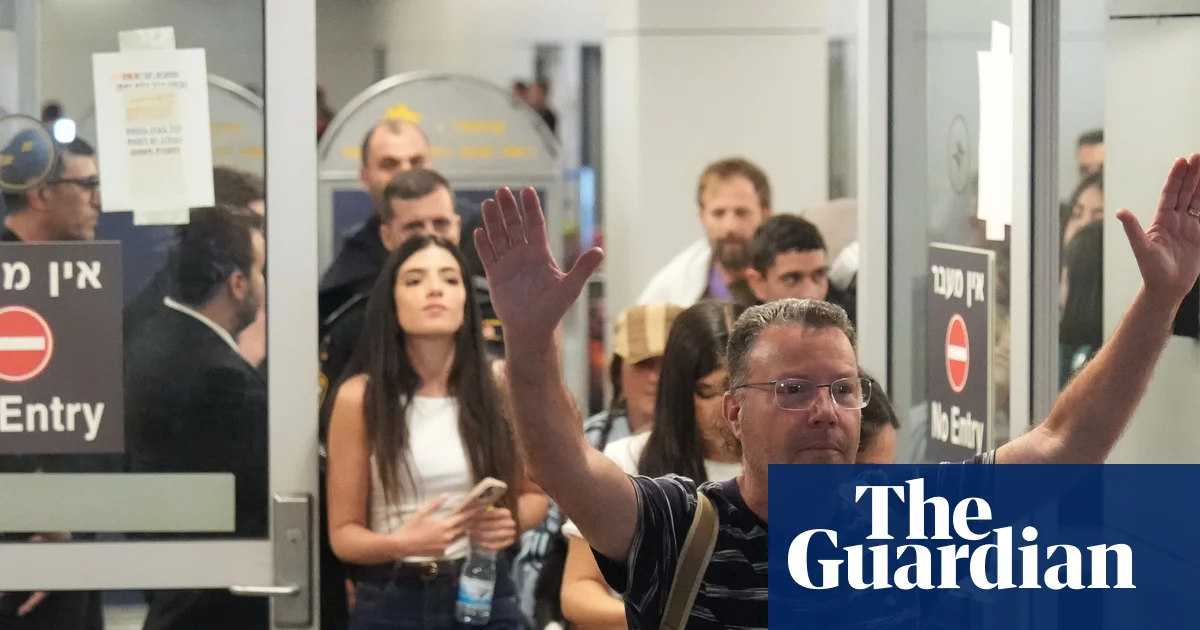
Passengers arrived at Ben Gurion airport in Israel via a second flight from Tabuk, Saudi Arabia. Some were covered in blood. They shared stories of a pilot-on-pilot stabbing.