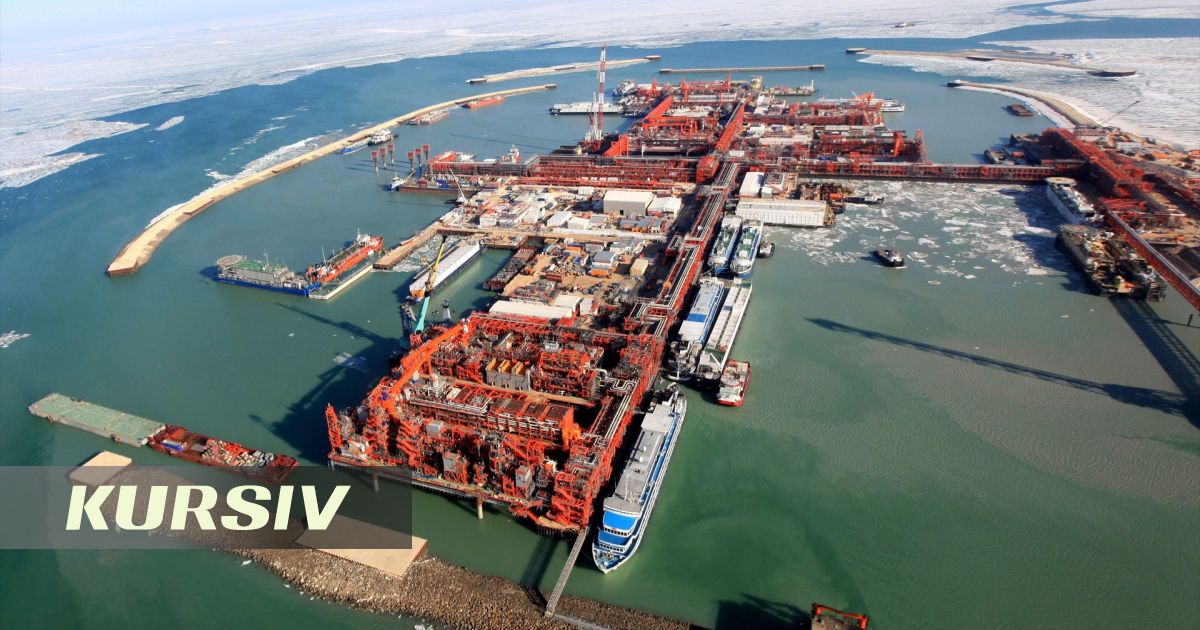
American ExxonMobil has proposed a new project to Kazakhstan for the development of the western part of the Kashagan field with potential investments of about $80 billion. However, the company linked the project's implementation to the settlement of a long-standing dispute between Kazakhstan and international oil companies operating at the field. This was reported by Qazaqyia.kz citing Kursiv Media.
Bloomberg reports this, citing sources familiar with the negotiations. According to the media, ExxonMobil and KazMunayGas JSC will create a joint venture on a parity basis to develop the western part of Kashagan. The American company estimates that the new project could ensure production of up to 600 thousand barrels of oil per day.
According to Bloomberg, ExxonMobil linked multi-billion investments with the settlement of Kazakhstan's claims against the participants of the current Kashagan consortium. These are state demands of about $150 billion, mainly related to lost revenues due to delays in field development, and are being considered in international arbitration. Separately, there is a dispute over an environmental fine of about $5 billion.
Agency sources claim that KazMunayGas supported ExxonMobil's proposal. However, the project will require political approval from the Kazakh side, which is not yet guaranteed. ExxonMobil, KazMunayGas, and the Ministry of Energy of Kazakhstan declined to comment to Bloomberg on the negotiations.
According to ExxonMobil's proposal, current Kashagan partners will be able to obtain minority stakes in the new joint venture. For companies that agree to join the project, a phased settlement of claims is provided. They are proposed to be released from claims related to the environmental fine for sulfur after the creation of the joint venture, and from other claims after the final investment decision.
Separate conditions are provided for companies that do not want to participate in the development of the western part of Kashagan. Kazakhstan, according to the proposal, will also drop claims against them if they do not challenge the right of the new joint venture to develop the western part of the field. However, such companies will not be able to extend their participation in the current license for the development of the eastern part of Kashagan after its expiration in 2041.
Only the development of the concept for the western part of Kashagan under ExxonMobil's leadership may require about $250 million. The next stage – FEED design – is estimated at another about $2 billion and may begin in 2028. The final investment decision is expected in 2030. After that, the parties will be able to proceed directly to the implementation of the project worth about $80 billion.
ExxonMobil plans to develop about 10 billion barrels of reserves in the western part of Kashagan. Not only the American company is interested in this area. According to Bloomberg, Italian Eni separately informed the Kazakh government of its interest in developing the western part of the field together with several unnamed partners.
Kashagan was discovered in 2000 and became one of the largest oil discoveries in recent decades. Initially, the operator was Italian Eni, which planned to bring production to 1.5 million barrels per day. However, the development of the field was accompanied by delays and a significant increase in project costs.
Currently, about 450 thousand barrels of oil per day are produced at the developed eastern part of Kashagan. Operator North Caspian Operating Company plans to increase this figure to about 500 thousand barrels per day in 2026 and to 710 thousand barrels per day by 2031. The current NCOC consortium includes ExxonMobil, Eni, Shell, TotalEnergies, KazMunayGas, China National Petroleum Corporation, and Inpex.
Earlier it became known that Kazakhstan could have lost $700 million in a month due to attacks on CPC.