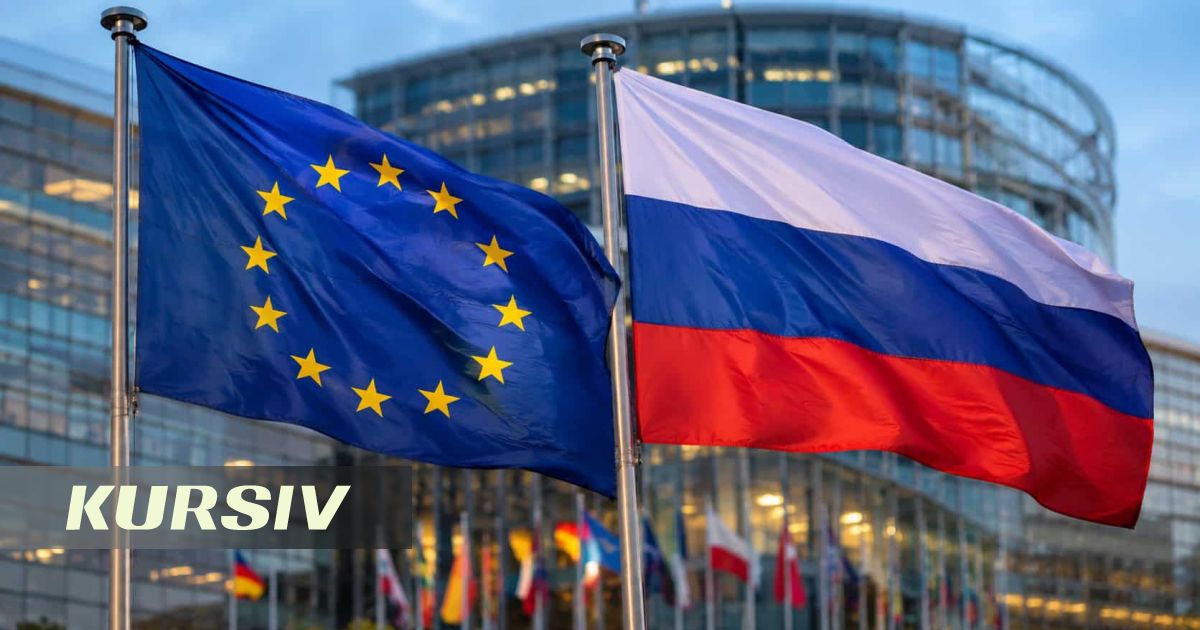
The European Union has decided to extend sanctions against Russia for one year instead of the traditional six months for the first time. This was reported by Qazaqyia.kz citing Kursiv Media.
EU leaders reached the agreement at a summit in Brussels, according to dpa citing the spokesperson for European Council President Antonio Costa.
The Council of the European Union is expected to formally approve the decision in the coming weeks.
As the agency notes, the extension was agreed upon after a change of government in Hungary. Former Prime Minister Viktor Orbán had repeatedly opposed extending sanctions, while the new head of government, Péter Magyar, who took office in May, supported the initiative.
Furthermore, leaders of all 27 EU countries unanimously adopted a final declaration on Ukraine for the first time since December 2024. The document states the EU's intention to increase pressure on Russia and continue weakening its military economy so that Moscow ceases hostilities and begins meaningful peace negotiations.
The declaration also emphasizes the need to further reduce Russia's revenues from energy exports, including by combating the so-called "shadow fleet," and calls for accelerating the adoption of the 21st sanctions package.
The content of the new package has not been officially disclosed. According to media reports, it may include restrictions on entry into the EU for Russian military personnel involved in the war against Ukraine, sanctions against the head of the Russian Orthodox Church, Patriarch Kirill, and the president of the International Chess Federation, Arkady Dvorkovich, as well as new measures targeting the energy, financial, and trade sectors. Additionally, for the first time, restrictions could extend to the fishing industry.
Meanwhile, Bulgarian Prime Minister Rumen Radev stated that Sofia intends to veto the 21st sanctions package. According to him, the reason is the potential consequences for the country's economy and disagreement with restrictions against Patriarch Kirill. At the same time, Radev emphasized that Bulgaria will continue to support negotiations on Ukraine's accession to the European Union.