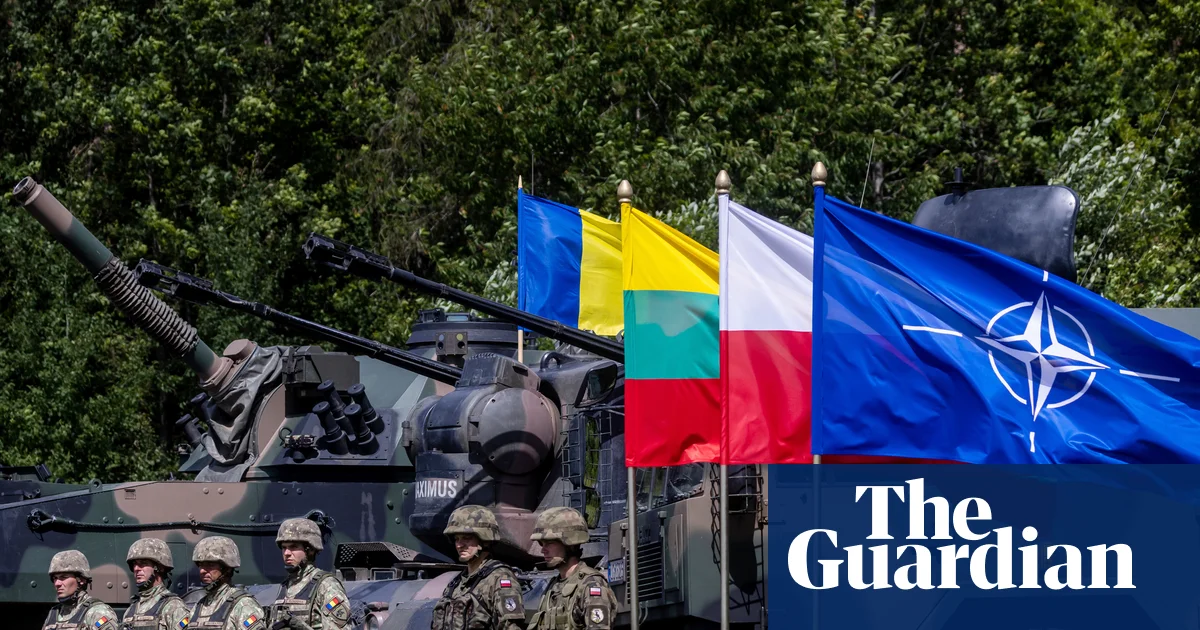
European intelligence chiefs have warned that Russia is preparing to test NATO's limits. This was reported by Qazaqyia.kz citing The Guardian.
As the UN general assembly kicks off in New York later today, we anticipate a heavy focus on the ongoing conflicts in Iran, Ukraine and the Gulf. But another related conflict is likely to dominate informal discussions: the intensifying acts of sabotage on European states that are believed to trace back to Russia but deliberately fall below the threshold for military response — a so-called hybrid or "shadow war" with the singular purpose of disrupting support for Ukraine.
As Vladimir Putin consolidates his grip on power in tightly controlled Russian elections and the Kremlin welcomed further success for the far-right AfD in German state polls yesterday, European intelligence officers have shared with the Guardian their starkest warnings yet about potential Russian attempts to test NATO resolve with an attack on European soil.
In a series of interviews with Shaun Walker in Prague and Riga, European intelligence bosses from the Czech Republic, Latvia and Sweden raised the possibility of an imminent Russian test of NATO, with one suggesting a potential attack could come in a matter of "months, not years".
These sources were speaking days after Polish prime minister Donald Tusk told his parliament that intelligence assessments suggested Russia might launch an attack with drones or missiles on NATO territory in the coming months. French president Emmanuel Macron has also summoned party leaders for an emergency meeting to discuss similar warnings.
When I catch up with Shaun in a taxi on the way to Warsaw airport, he's still assessing the gravity of these warnings. "One thing you always have to bear in mind when reporting on intelligence is that – because the way spy agencies gain information usually remains secret – you often don't know if a source is talking about a very specific intercept of a plan that's almost certainly going to happen, or if it's less concrete chatter that analysts have put together."
His view is that these concerns are not at the level of early 2022, when American intelligence repeatedly warned Russia was preparing to invade Ukraine and had hard evidence of the Kremlin's plans.
What did surprise him was his sources' willingness to be quoted: "Normally I go into these interviews assuming that we're going to talk off the record. All of these people were happy to be on the record, which does suggest they want to get a message out."
What is this hybrid war and how can Europe fight it?
This systematic campaign has developed since Russia's full-scale invasion of Ukraine four and a half years ago, with common features: designed to seed chaos and anxiety among Ukraine's allies, while it is often difficult to prove conclusively Russian involvement as Kremlin security services pivot to recruiting.
This was reported by Qazaqyia.kz citing The Guardian.