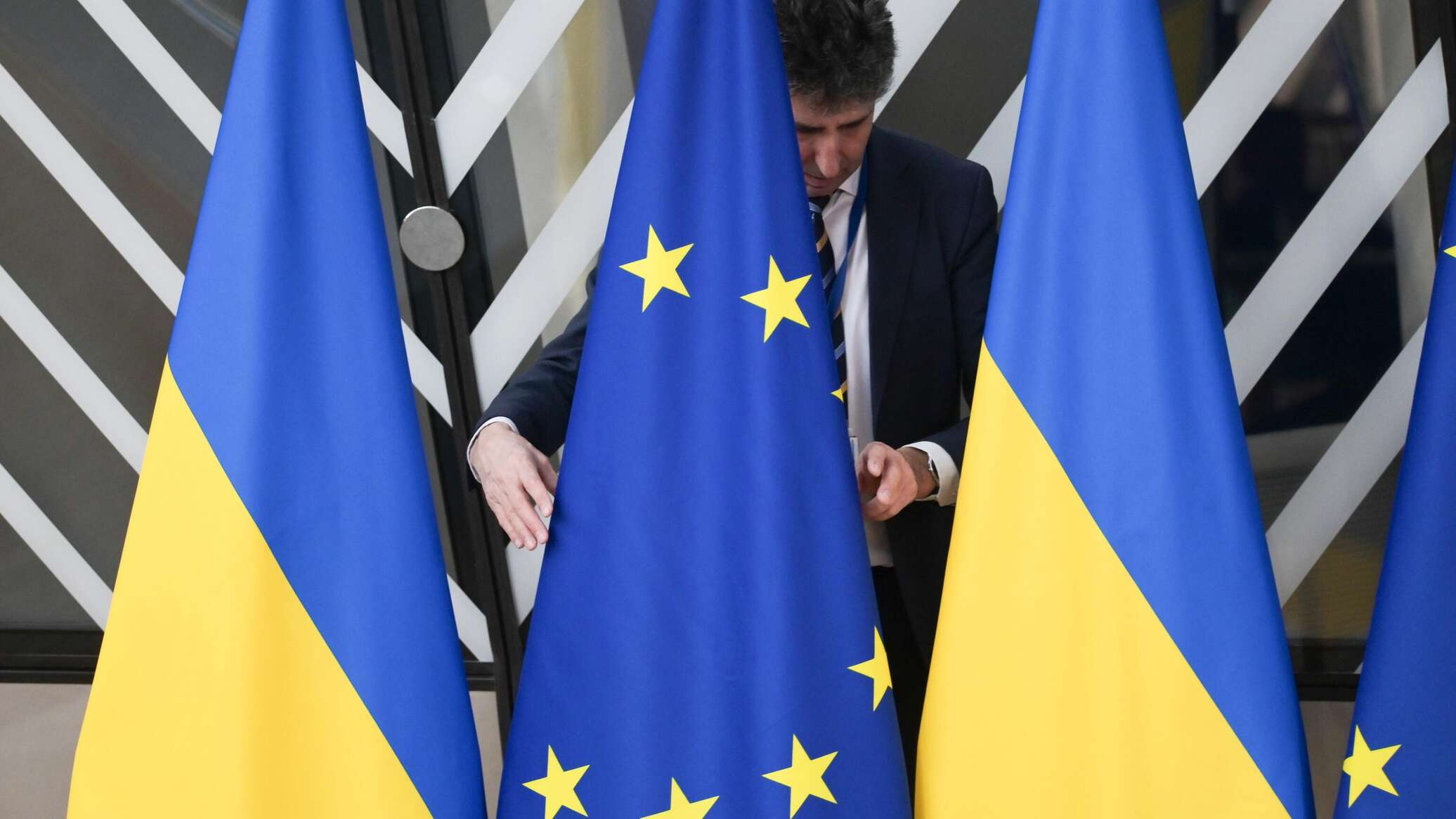
The European Commission on Tuesday published proposals on preparing for EU enlargement, according to which it proposes considering the possibility of maintaining restrictions in a number of sectors after the accession of Ukraine and other new member states, including in the free movement of workers and services, agriculture and certain goods. This was reported by Qazaqyia.kz citing Sputnik Kazakhstan.
"If necessary, transitional arrangements concerning the free movement of workers and services, agriculture, sensitive goods, financing and participation in common systems may also be applied," the European Commission document says.
Thus, EU membership itself does not immediately and fully extend existing EU rules in these areas to a new member state: the terms and duration of transition periods may be determined at the time of accession.
In addition, the European Commission proposes significantly extending the post-accession period during which special protective measures in the areas of economy, internal market, justice and home affairs may be applied to new EU members.
"Future accession treaties will strengthen existing sectoral guarantees and introduce a new institutional safeguard mechanism. More specifically, the timelines for triggering safeguard measures in areas such as economy, internal market, justice and home affairs will be significantly extended after accession," the proposals say.
A separate mechanism is proposed in the event that a new member of the Union seriously violates the EU's core values and the principle of sincere cooperation. In the most severe cases, this mechanism could include suspending the country's voting rights in the EU Council and removing funding.
The proposals should apply to future member states. Currently, the countries for which the European Commission is preparing specific roadmaps for the further accession process include Ukraine, Moldova, Montenegro and Albania.