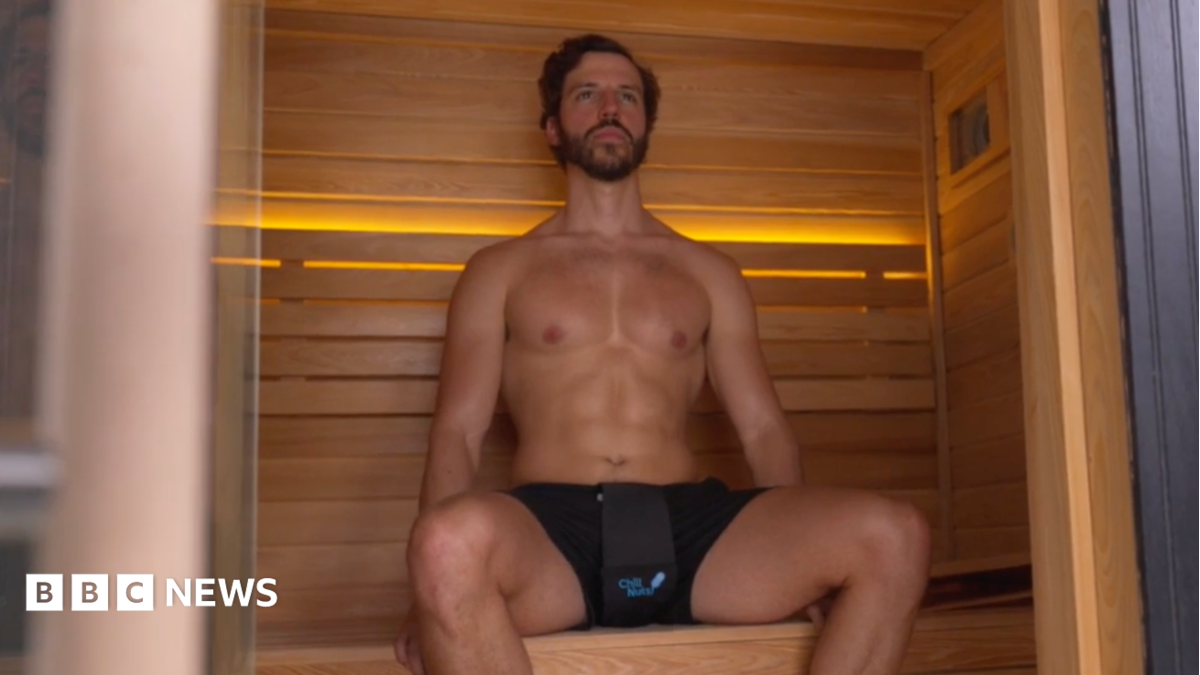
Simon, 28, from Miami, starts his day in a sauna with an ice pack strapped to his groin. He believes this preserves his sperm count. This was reported by Qazaqyia.kz citing BBC News.
Simon also gets daily sunlight, exercises regularly, drinks only filtered water, and wears cotton boxer shorts. This is part of his fertility-focused health regime, though there is no medical evidence to prove it works.
Experts say environmental pollutants and heating the testes can impact sperm quality, but Simon's steps are unlikely to make a massive difference.
On TikTok and Instagram, hashtags like #malefertility, #semenanalysis, and #sperm attract hundreds of millions of views. Online communities dedicated to improving sperm health have grown rapidly.
Simon is not planning to have children soon and has no partner. He worries that low sperm count could affect his endocrine system, but experts say there is no evidence for this.
UK fertility expert Prof Suks Minhas says the increased discussion around male fertility has pros and cons. It raises awareness but may fuel unnecessary worry.
Former Silicon Valley billionaire Bryan Johnson claims he has four times the average sperm count. He promotes sauna and ice pack protocols, though unproven. His website Blueprint sells supplements.
Global birth rates have dropped from 4.9 babies per woman in 1950 to 2.2 in 2025, with 106 countries below the replacement rate of 2.1, according to the UN World Population Prospects 2025.
US Health Secretary Robert F Kennedy Jr said men in 1970 had twice the sperm count of today's teenagers. Large-scale analyses show a significant global drop in sperm count since the 1970s, but direct comparison is difficult as age was not a focus.