The Victorian Court of Appeal is considering whether Erin Patterson's guilty verdicts for triple murder and attempted murder should be quashed. This was reported by Qazaqyia.kz citing The Guardian.
Start of proceedings
On Wednesday, 19 August 2026, three judges of Victoria's highest court began hearing two appeals: one brought by Patterson and another by the state's Director of Public Prosecutions (DPP). They will consider whether her convictions should be quashed, and whether she should remain in prison for life without the possibility of parole.
Patterson appears via video link
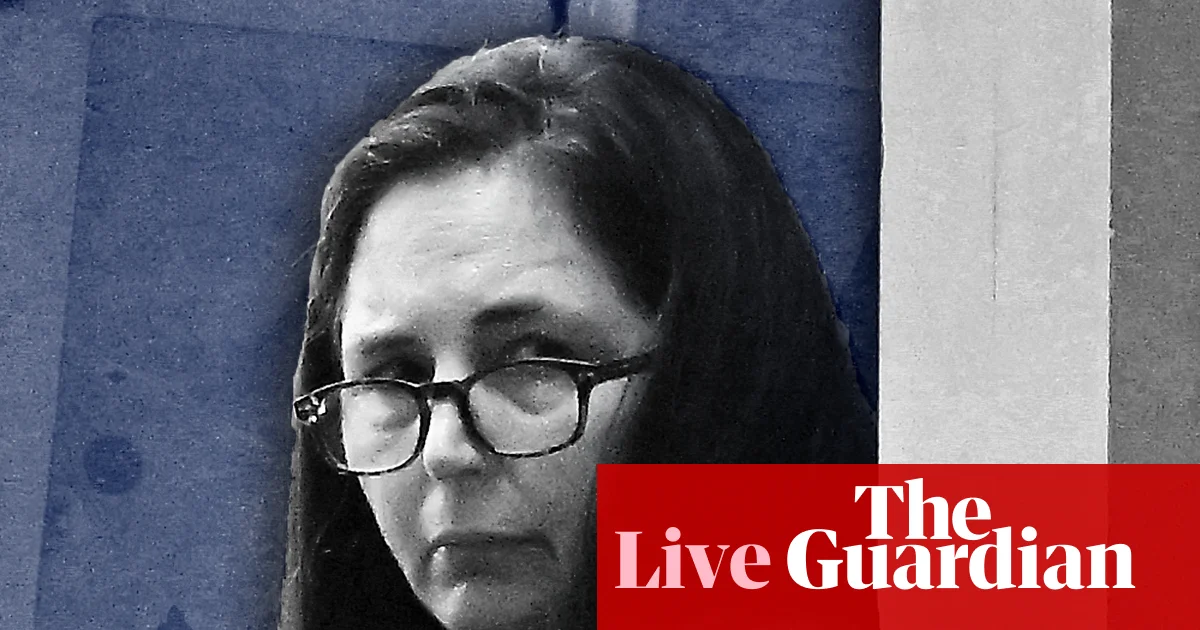
Patterson appeared via video link from Melbourne's Dame Phyllis Frost Centre – the state's maximum security women's prison. She was wearing a blue jumper and reading glasses and appeared to be typing on a laptop.
The three judges hearing the appeal arguments are Justices Stephen McLeish, Lesley Taylor and Peter Kidd. The prosecutors are the Director of Public Prosecutions for Victoria, Brendan Kissane KC, and crown prosecutor Jeremy McWilliams. Patterson's legal team now includes barristers Richard Edney and Veronika Drago.
Sole surviving guest Ian Wilkinson in court
The sole surviving lunch guest, Ian Wilkinson, was in the courtroom this morning. He was joined by his daughter, Ruth Dubois. He sat next to Detective Leading Senior Constable Stephen Eppingstall, the detective in charge of the murder investigation.
At a pre-sentencing hearing last year, Wilkinson said he had forgiven Erin Patterson for trying to murder him but could not offer her forgiveness for killing three other people with poisoned beef wellingtons. He said: "I make an offer of forgiveness to Erin. In regards to the murders of Heather and Gail and Don, I am compelled to seek justice. Now I am no longer Erin Patterson's victim, and she has become the victim of my kindness."
DPP appealing against Patterson's sentence
The DPP is appealing against the sentence handed down to Patterson, arguing it is "manifestly inadequate". The DPP argues the trial judge erred in finding she was likely to spend "years to come" in solitary confinement when allowing for the possibility of parole.
Patterson's sentence means after 33 years behind bars she'll be eligible to apply for parole. During a pre-sentence hearing, the prosecution had submitted that, because of the horrendous nature of her crimes, Patterson should never be released.
While handing down Patterson's sentence last September, Justice Christopher Beale found the triple murderer had effectively been held in solitary confinement for the past 15 months for her own protection due to the notoriety of her crimes. He said there was a substantial chance she would continue to be held in those conditions for years to come for her own protection. Beale said because of Patterson's "harsh prison conditions" she was likely to continue facing for the "foreseeable future", he had to consider these in sentencing and fix a non-parole period.
Patterson appealing on seven grounds
Erin Patterson, 51, is appealing against her convictions but not her sentence. If successful, the court of appeal will quash her convictions and could order a retrial or acquit her.
The grounds include what her lawyers argue is a "fundamental irregularity" around sequestering the jury in the same hotel as police and media representatives, and that her cross-examination during the trial was "unfair and oppressive". While considering the verdict, the jury was sequestered in a hotel in a regional town where police and members of the media also stayed. According to media reports, the matter was raised with authorities by Patterson's lawyers at the time, but no concerns about the process were raised during the trial.
Patterson is also appealing on the grounds that mobile tower evidence – along with evidence of death cap mushroom sightings near her home – should not have been heard in the trial. The court last year heard that analysis of Patterson's mobile phone records revealed she may have visited two locations soon after death cap mushroom sightings were reported.
She is also arguing evidence from her Facebook "friends", who met Patterson through a true-crime group, should not have been allowed as it was not "relevant". Patterson told a Facebook group chat that she wanted "nothing to do" with her parents-in-law, according to messages shown in court.
Conclusion
The case is being heard in Victoria's highest court, and the decision is attracting widespread public attention. A ruling on Patterson's appeal and the DPP's appeal could come in the coming weeks.