The EU has warned Donald Trump against plans to ban US diesel exports to the global market, saying the move would negatively affect Europe and the US. This was reported by Qazaqyia.kz citing The Guardian.
The European Commission has reacted with "concern" to reports this week that the US president could prevent diesel from reaching the global market.
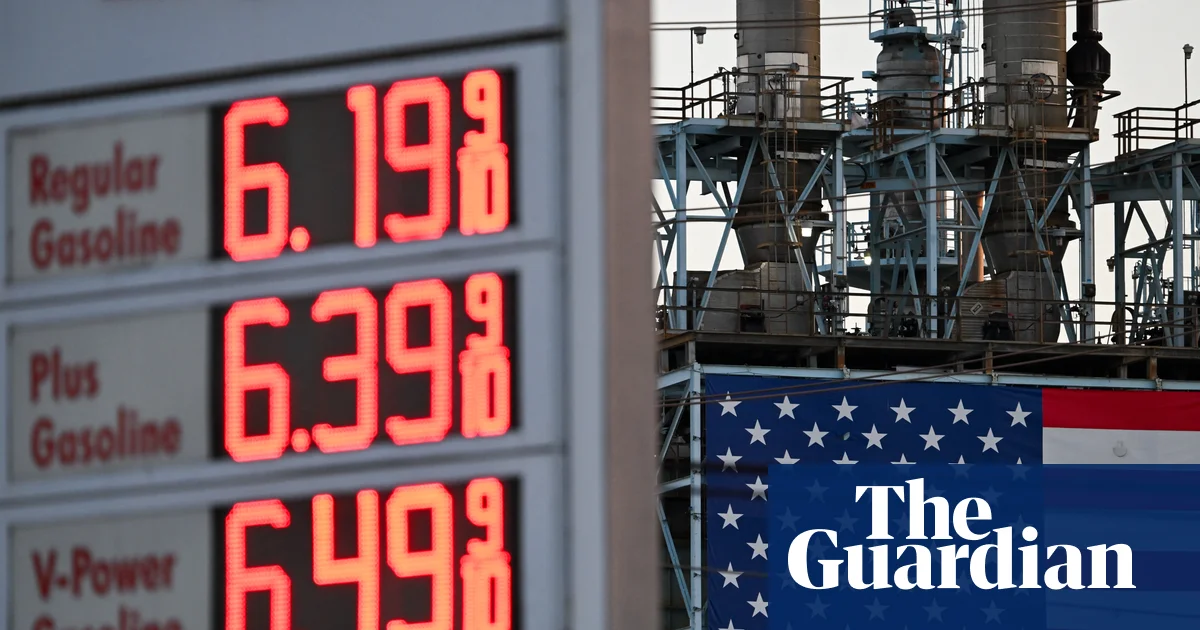
Trump is reportedly considering a 90-day export ban to provide a temporary respite from high pump prices for US households before the midterm elections, after US diesel reached a record average of $6.52 (£4.93) a gallon. "I've said let's not send out the diesel. We make a lot of diesel ... I've called for it. I've called for it within my people," he said.
Olof Gill, a spokesperson for the EU's executive arm, said on Thursday "any disruption would risk negatively impacting both sides" and the EU expected "close partners to consult each other before taking measures that affect shared markets".
The EU made the diplomatic intervention as experts said that the potential export ban could be "devastating" for Europe, and traders scrambled to assess the continent's reliance on imports from the US.
The US energy secretary, Chris Wright, has warned that banning exports was a "blunt tool" that could harm US fuel supplies in the long term.
For Europe, the ban could be far more damaging. US diesel exports have made up a third of the continent's imports this year, as supplies from war-damaged refineries in the Middle East and Russia have plummeted. By August, the US supplied about half of Europe's diesel imports.
Pump prices have already climbed to record highs across Germany and the Netherlands, leading to calls for political leaders to protect households from rising costs.
In the UK, motorists may be only days away from fresh all-time highs, raising concerns over the economic impact of further price hikes for hard-pressed households. The RAC said the average cost of diesel was 197.75p a litre on Thursday, up from 142.38p before the start of the Iran war.
"A US export ban would be devastating for diesel supply in Europe, which would struggle to replace supply," said Josh Michalowski, the head of European diesel pricing at Argus Media, a commodities data provider.
Fuel stations across Europe are unlikely to run dry, because Europe produces about 70% of the diesel it consumes from domestic refineries. It also stores fuels in reserve. But experts fear that competing for cargoes on the global market would lead to higher market prices.
So far the market for diesel cargoes has remained relatively quiet since reports of a potential US diesel ban emerged this week, according to Benedict George, the head of European products at Argus. He said traders were still weighing up the degree to which the White House might limit US exports.
"If this prospect became even relatively serious [in the White House], it would be very serious for European markets. There would be some degree of panic given how reliant buyers have become on US cargoes," George said. "There's enough European diesel production to ensure that we wouldn't run out, but losing US cargoes would mean buyers would have to compete with buyers in Asia for the few available cargoes from the Middle East and India, in what is already a very competitive global market."
The price of diesel has outpaced the rising price of global oil markets due to severe disruption to refineries in the Gulf and in Russia. The price difference – known as the "crack spread" – reached a record high earlier this month and could climb further still.
"A US ban on diesel exports would pose a significant challenge for the UK, given the country's growing reliance on American refined fuel," said Thomas Pugh, the chief economist at the audit, tax and consulting firm RSM UK.
The UK has only four operating oil refineries after the closures of Grangemouth and Lindsey last year. Both produced diesel for the UK market. Pugh warned that losing almost 90,000 barrels a day of US distillate, or 18% of the country's total consumption, would leave the UK even more exposed to global diesel prices. He added that, while shortages of fuel were unlikely immediately, a longer-term ban would make them a "real possibility".
Although the number of motorists driving diesel passenger vehicles has fallen, it remains the lifeblood of the UK's agricultural and logistics sectors by fuelling heavy machinery, lorries and vans.
The European Commission spokesperson said: "High-level contacts between the European Union and the US administration are ongoing."
The UK government was contacted for comment.