Energy bills in the UK could jump by more than a quarter in January – around £460 extra a year for a typical household. This was reported by Qazaqyia.kz citing BBC News.
According to the latest forecasts from major suppliers British Gas, EDF and E.ON, bills could rise by over 25% in January. For the second time in four years, a war thousands of miles away is landing in British inboxes.
Since US and Israeli strikes on Iran in February effectively closed the Strait of Hormuz, oil and gas prices have soared. Winter is expected to push them higher still: demand for gas is rising just as Europe's winter gas stores are at their lowest since records began in 2011.
And there's a bigger threat looming: the warming climate. Cutting carbon emissions is essential to limit future warming, but keeping bills down while cutting emissions is proving hard.
As world leaders gather this week in Antalya, Turkey, for COP31, the UN climate summit, energy and climate policy has become the front line in a contest between the world's two energy superpowers.
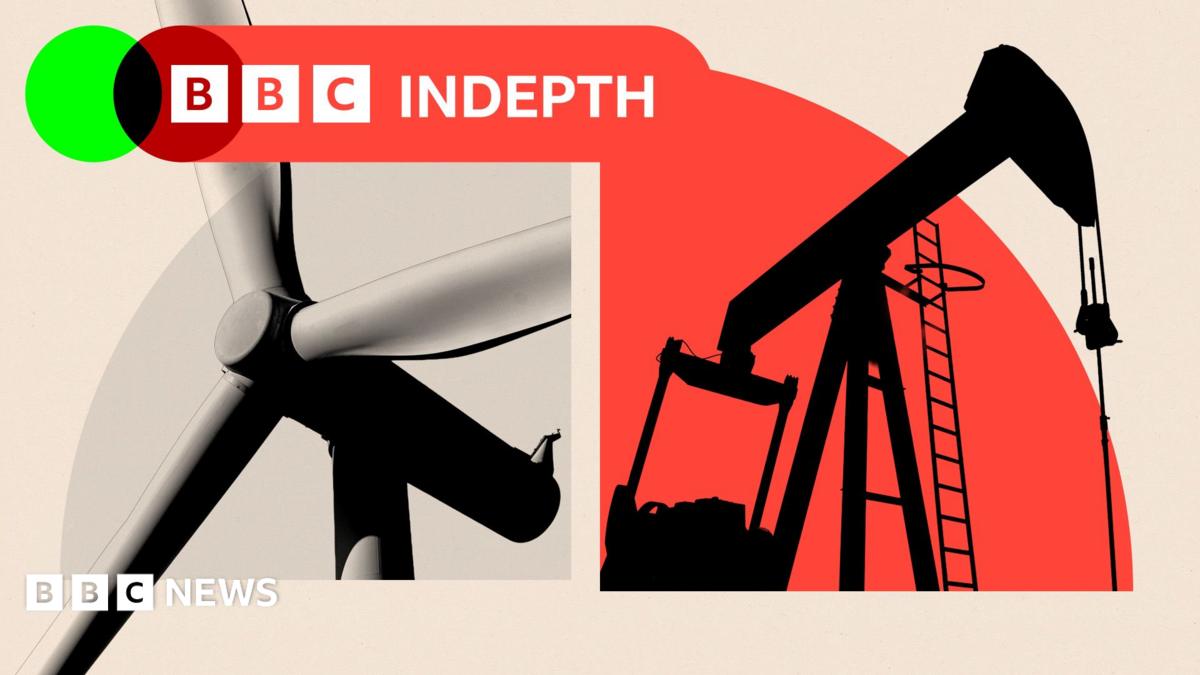
America is betting on fossil-fuel molecules: pumping record volumes of oil and gas and pressing its allies to buy them. China is betting on electrons: flooding the world with solar panels, batteries and electric cars.
The UK, which already buys nearly a quarter of its imported gas from America and much of its clean energy kit from China, is being pulled both ways.
On the Moray Firth near Inverness, at Whiteness Head, China's Ming Yang planned a £1.5bn factory creating up to 1,500 jobs. But in March, after US lawmakers urged the UK to block it, ministers did so, citing national security. Last month, they approved a new North Sea gas field, Jackdaw. No to Chinese wind turbines; yes to North Sea gas.
Few countries are more exposed to the energy shock than the UK. Gas heats most homes and often sets the wholesale price of electricity. The last shock, after Russia's invasion of Ukraine, cost households an extra £63bn – around £2,200 each.
Less than half of the UK's gas now comes from its own North Sea fields, and imports often come from unstable places. Energy Secretary Miatta Fahnbulleh says tackling climate change remains a priority. But when pressed on bills versus climate, she was unequivocal: "With the cost of living biting, affordability is my overriding objective, without a doubt."
"We are far too exposed to global markets we have no control over," Fahnbulleh said. "What's the solution to that? Homegrown clean energy."
Within hours of Jackdaw's approval, US President Donald Trump wrote on Truth Social: "They should go FULL BLAST!!! TAKE DOWN THE COSTLY AND RIDICULOUS WINDMILLS!"
Now the government faces a tougher choice: whether to approve Rosebank, west of Shetland, the UK's largest undeveloped oil field. Fahnbulleh has said it would produce about seven times the emissions of Jackdaw. A decision is expected within weeks.
Opponents blame high bills on the government's reluctance to drill. Conservative leader Kemi Badenoch told the prime minister to "stop faffing about" and give permission. Reform UK's Richard Tice says: "If we use our own gas… that will bring our bills down."
But Fahnbulleh was clear that producing more British oil and gas would not bring bills down: "No, it doesn't. In the end, the oil and gas is sold on global markets." This was reported by Qazaqyia.kz citing BBC News.