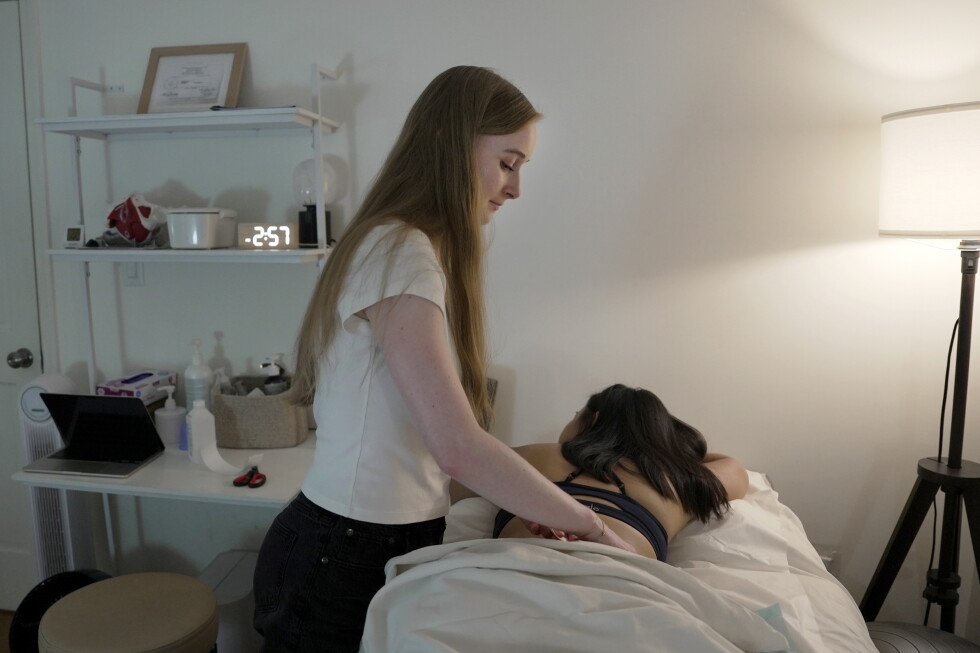
Diagnosing endometriosis is often a challenge. The American College of Obstetricians & Gynecologists says people can wait a decade or more after the onset of symptoms to receive a diagnosis. This was reported by Qazaqyia.kz citing Associated Press.
When Zoë Armstrong got an ultrasound report showing signs of endometriosis, she called her mom and cried. After years of suffering and seeking help from doctors, she finally had an answer.
“To see it on paper, I was like, ‘I’m not crazy,’” the 31-year-old recalled. “I very much knew what I was feeling in my own body.”
Armstrong’s experience is not unusual. The American College of Obstetricians & Gynecologists says people can wait a decade or more after the onset of symptoms to receive a diagnosis of endometriosis. The painful condition, which causes tissue similar to the lining of the uterus to grow on other parts of the body, afflicts 1 in 10 women worldwide.
New tests being used in other countries aim to help address the issue. And while they’re raising hopes among doctors and patients, they’re not currently available in the U.S., and some experts expect them to be a useful tool but not a complete solution.
Research suggests endometriosis is a type of chronic inflammatory disease. The exact cause is unknown, although experts say genetics plays a part.
Symptoms vary depending on the extent of the disease and where the tissue appears. Usually, it’s found on organs such as the bladder, bowel or ovaries, but in rare cases it can even be outside the pelvis. Symptoms may include bloating, fatigue and infertility – and most commonly pain that can strike during periods, inte