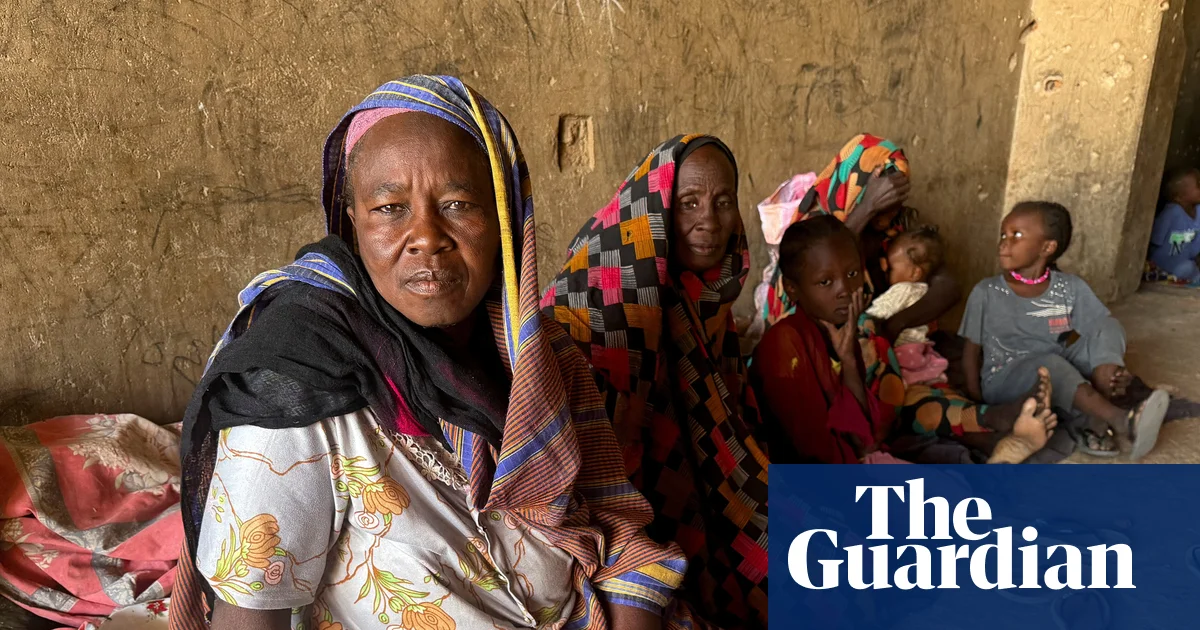
Fatima is losing count of the number of drone attacks on the besieged city of El Obeid in Sudan, but says the attacks this past weekend were the most violent so far. This was reported by Qazaqyia.kz citing The Guardian.
The drones hit schools and fuel stations, killing more than 20 people, including students. "Over the past few months, seeing 40 or 45 drones is the norm. You can literally count them," said the aid volunteer, whose name has been changed for fear of retribution.
El Obeid, a city of half a million people, is a key battleground in the war between the Sudanese Armed Forces (SAF) and the paramilitary Rapid Support Forces (RSF). Attacks mounted by the RSF have prompted the UN and other agencies to warn of the risk of atrocities.
Located between RSF-held areas in the western Darfur region and army-controlled regions in the east, El Obeid has suffered repeated drone strikes on its infrastructure. The army is fighting to stop the paramilitary group setting up another blockade after a siege in February last year.
At least 45 people were killed and 41 injured in 15 drone strikes in the city and surrounding areas from 6 June to 28 June, according to the UN human rights office. There are growing fears of a repeat of the massacre in the city of El Fasher last year, when RSF fighters went on a rampage after capturing the city at the end of an 18-month siege.
Amnesty International released a report on Wednesday saying the RSF had committed ethnic cleansing and crimes against humanity in its campaign to capture El Fasher. An independent factfinding mission for the UN had already said the RSF's seizure of the city showed the "hallmarks of genocide" against non-Arab communities.
On Friday, Volker Türk, the United Nations high commissioner for human rights, addressed delegates in Geneva. He said: "The signs from El Obeid are clear and unmistakable: another human rights catastrophe is unfolding in Sudan. This is not a drill. It is a red alert that needs to land on the desks of heads of state and government around the world."
El Obeid hosts an SAF infantry division and an airbase, in addition to about 100,000 refugees displaced by violence. Experts have highlighted significant concentrations of RSF troops around the city and warn of an imminent ground offensive.
A report released on Monday by the Yale Humanitarian Research Lab found damage to electricity generation, fuel storage facilities and the main market that was "consistent with intentional bombardment of civilian infrastructure necessary for the sustainment of life".
Nohad Eltayeb, senior research assistant at the ACLED conflict monitoring group, said it recorded 27 drone strikes last month around El Obeid, the highest monthly total since the start of the conflict in 2023.
In a diary voice note for the Avaaz human rights advocacy group, Fatima spoke of living life on the edge because of drone attacks on hospitals, fuel stations and other facilities. An attack last week struck the city's main power station, causing blackouts in most of the city. Drones have also hit people gathering to share Starlink internet connections when telecommunications networks are down.
"I cannot begin to describe how terrible the situation is right now," Fatima said. "Even the way people talk at funerals is different now. Instead of praying for the deceased, they would be talking about how they died."
Ahlam, a humanitarian worker whose name has also been changed, said residents had become accustomed to pain, loss and fear from constant drone attacks. "In just the past two weeks, nearly every essential service and piece of critical infrastructure has been hit," she said.
Will Davies, Sudan director at Avaaz, said the drone attacks had created an "extremely dire" situation in El Obeid. He said the city lacked the ethnic dynamics that were a factor in the El Fasher killings and there was unlikely to be a major ground offensive because "the evidence isn't there in terms of a force big enough to do it".
Mohamed Badawi, director at the African Centre for Justice and Peace Studies, called for a ceasefire and for the international community to push for the creation of safe corridors for residents to flee El Obeid.