Edwards Air Force Base, located in Southern California's Mojave Desert, has been a hotbed of innovative flight research for decades. This was reported by Qazaqyia.kz citing Associated Press.
About 100 miles (161 km) north of Los Angeles, the base has witnessed aviation history: from a test pilot breaking the sound barrier to a space shuttle touching down. Tragedy also struck on June 15, 2026, when a B-52 bomber crashed shortly after takeoff, killing all eight people aboard.
Establishment and Early Achievements
Within months of establishing a permanent base to train combat flight crews, history was made. In 1942, test pilot Bob Stanley flew the U.S.'s first jet-powered aircraft. He took off from the base's dry lake bed, which served as a naturally long runway, vital for first-generation turbojet engines prone to "flaming out."
Five years later, in 1947, Air Force test pilot Chuck Yeager pushed an orange, bullet-shaped Bell X-1 rocket plane to Mach 1.05, breaking the sound barrier. His feat was kept secret for about a year when the world thought the British had broken the sound barrier first.
1960s Achievements
The 1960s brought the fastest manned airplane — reaching Mach 6.72 — and the first airplane to fly above 314,000 feet (95.7 kilometers), earning its pilot astronaut wings.
Space Era
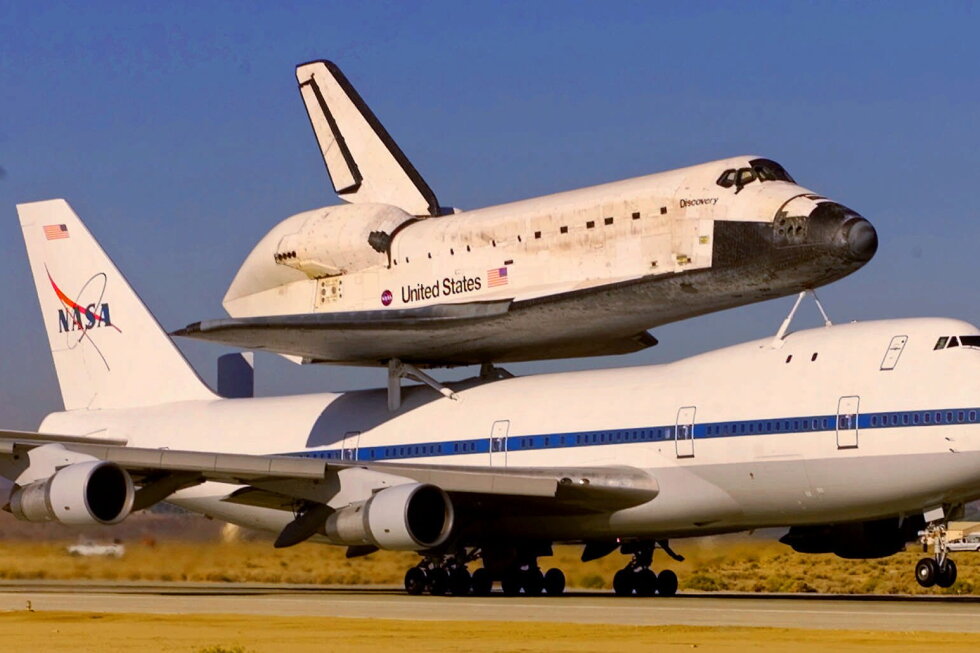
In 1981, astronauts John Young and Robert Crippen landed the Space Shuttle Columbia on that same dry lake bed, making history as the first orbiting space vehicle to leave Earth using rocket power and return on an aircraft's wings.
Present Day
Described as an "irreplaceable national asset," Edwards Air Force Base remains at the center of a significant portion of U.S. Air Force aircraft test and development. All Air Force aircraft are tested there, along with some Navy and Army aircraft.