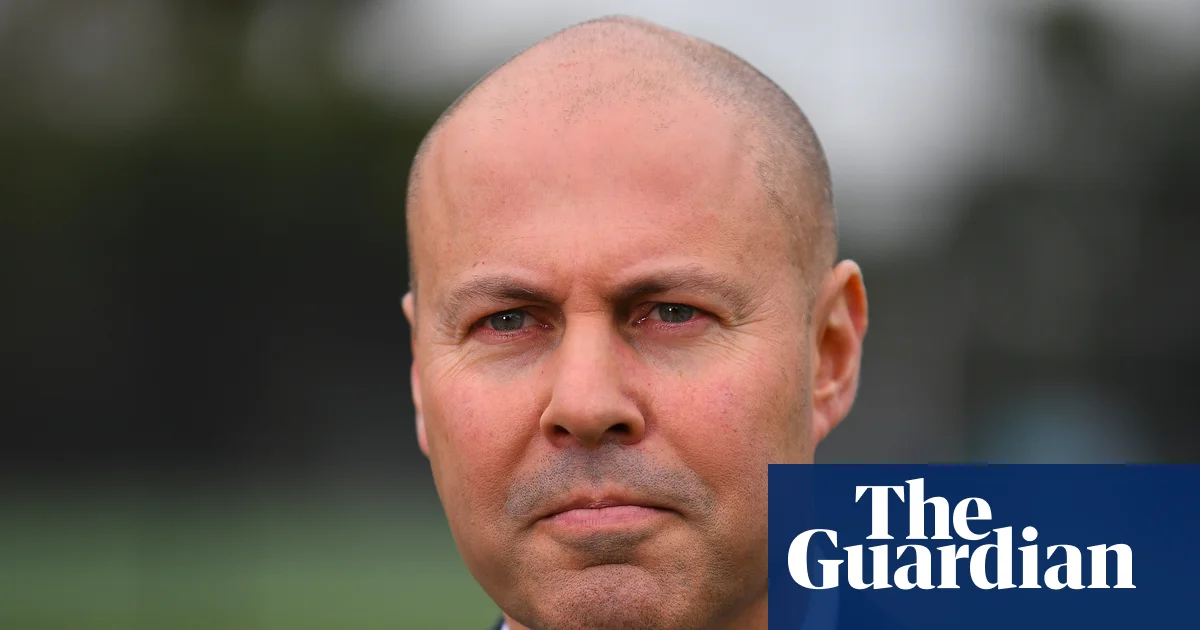
Speculation is mounting in Australian parliament over a potential return of former treasurer and deputy Liberal leader Josh Frydenberg to politics. During his promotion of a new book, he gave interviews on TV, radio, and podcasts, pointedly refusing to rule out trying to rejoin parliament. This was reported by Qazaqyia.kz citing The Guardian.
Frydenberg's book, titled 'A Grateful Son', is part family history, part treatise on antisemitism and social cohesion, and part political manifesto. According to talk around parliament, Frydenberg is privately telling people he is unlikely to seek a return. But the fact he has pointedly refused to rule it out in a conga line of media interviews, saying only that he would make his mind up later, seems opportunistic. The spectre of a potential leadership alternative is hardly a help for Angus Taylor.
Labor sources have helpfully shared key quotes from Frydenberg's book and media tour, pointing out his calls for changes to GST and the labour market, and criticisms of the Liberal trajectory – again, none helpful to the leader.
The problems facing the modern Liberal party, under Taylor's leadership, are myriad. Its hostile right flank is barracking for Pauline Hanson and One Nation, its centre is still eyeing the teal independents, and Taylor – now eight months into the job – has a lower primary vote than Sussan Ley when she was dumped. The Guardian Essential poll found the Coalition primary vote at a record low 22% in September, compared to 25% in January, a fortnight before Taylor rolled Ley.
These are all reasons for alarm for the centre right. It's just not clear if Frydenberg is the answer to any of these problems. One question echoing around parliament this week was: would he do a better job than Taylor on anything substantive? In other words, is he yesterday's man?
A return to the party room would give the Coalition a well-known face and a policy brain in a team which could benefit from both. Maybe Frydenberg would be content to return as a loyal soldier under Taylor, serving in an appropriately senior cabinet role. But maybe not. Few think he'd give up a well-paid job in banking to sit on the frontbench instead of the leader's chair.
The loudest cheer Hanson got at last weekend's Cpac conference was when she sledged Taylor, saying Australians didn't want a 'smarmy management consultant' replacing Anthony Albanese as prime minister. Would any of those voters more prefer the chair of investment bank Goldman Sachs, the role Frydenberg currently holds? Taylor in recent times has tried throwing a bone to that fringe of the rightwing movement, producing more off-the-cuff videos with unpolished deliveries (and swearing) a la Hanson – would Frydenberg, at home in boardrooms and business lunches, be able to win back the voters furious at 'politics as usual' and career politicians?
Maybe, then, Frydenberg could chart a course back to the middle for the Coalition: not chasing its right flank further to the fringe, but setting a mainstream course back toward the centre, where elections in Australia are won.
That would be a decent idea, if you forget how Frydenberg was ejected from parliament in the first place: bundled out in 2022 by Monique Ryan in the big community independents wave which swept half a dozen moderate-ish urban Liberals from their seats. Ryan was supported by Climate 200. That group's origin story may be relevant here: Simon Holmes à Court, a former donor to Frydenberg's Kooyong 200 fundraising vehicle, was reportedly ejected from a supporter event and set up his own group in response. Climate 200 would hardly respond to Frydenberg's comeback, or potential leadership, with party poppers and a 'welcome back' card.
The teal wave that swept Frydenberg and several other moderate Liberals from office in 2022 hasn't exactly swelled into a tsunami since then, and some could argue the conditions of four years ago are not there today – just ask Tim Wilson, who lost Goldstein to teal Zoe Daniel in 2022 but wrested it back in 2025.