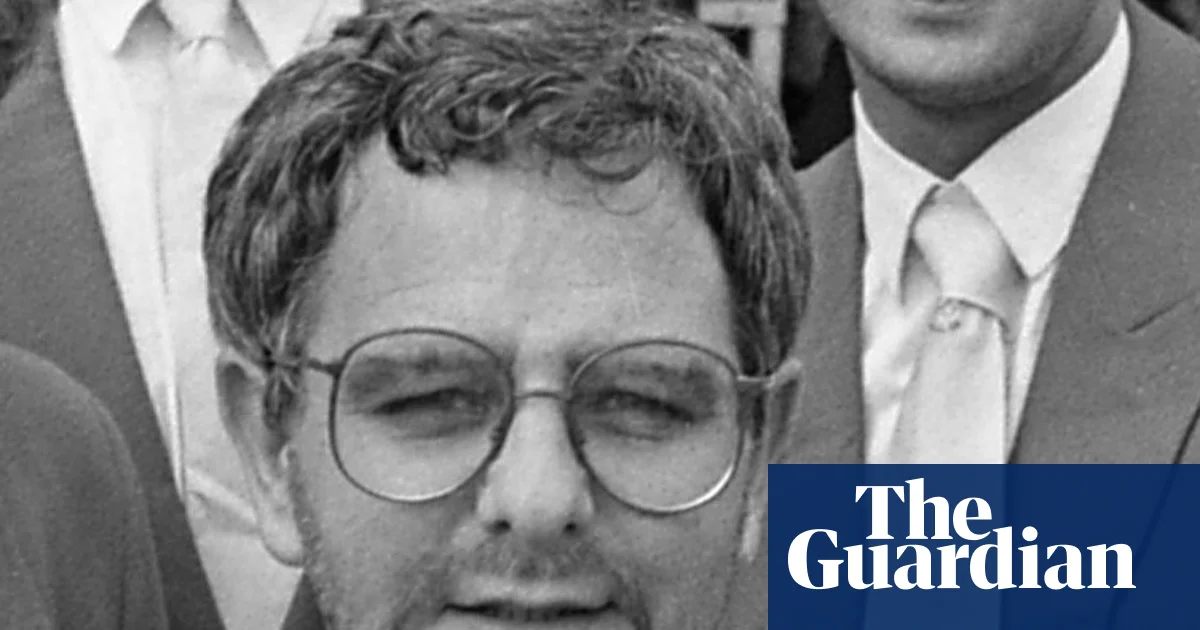
More than half a century after he started sexually abusing children, and enjoyed prestige as Ireland’s Olympic swimming coach before fleeing to the United States, George Gibney is to face justice. This was reported by Qazaqyia.kz citing The Guardian.
The 77-year-old is to be sentenced at the central criminal court in Dublin on Monday for abusing four young female athletes in the 1970s and 1980s. It will be the culmination of a decades-long effort by victims, police, journalists and others to track and extradite Gibney from the US.
He was convicted in July of 39 counts of indecent assault and one count of attempted rape after a closely watched trial that detailed harrowing abuse.
“It’s vindication for those children,” said Evin Daly, a child welfare advocate who helped to track Gibney in Florida. “The abuse shaped some of their lives. The guy had no conscience, in my opinion.”
Ireland had little international success in swimming in the 1980s but Gibney became a high-profile, respected figure for establishing the Trojan club in south Dublin and for coaching emerging talent at pools around the city. He was Ireland’s coach for the Olympic games in Los Angeles in 1984 and Seoul in 1988. Gibney urged his swimmers to “never give up” and to “hang in there”.
After allegations emerged that he preyed on children at pools, in his car and other locations he was charged with 27 counts of indecency and carnal knowledge, but in 1993 the supreme court ruled that he could not face trial because of the time that had elapsed since the alleged offences, a decision that stunned his victims.
Free but notorious, Gibney moved to Scotland, then the US, where he obtained a visa and built a new life, living in Colorado, California and Florida and working mostly in low-level clerical jobs.
Several journalists continued to dig into Gibney’s crimes, including Justine McCarthy of the Irish Times who wrote a 2009 book, Deep Deception.
Daly, a forensic sociologist who was then the chief executive of a child protection advocacy group called One Child International, helped the media to locate and keep tabs on the predator.
“We provided data and resources,” said Daly, a Florida-based court consultant on child welfare cases. “At one point Gibney moved because his neighbours in the apartment complex got wind of the fact that he was an accused sex offender and they turned on him.”
In 2020 a 10-part podcast series, commissioned by the BBC and presented by Mark Horgan, titled Where is George Gibney? revived attention and scrutiny.
Four victims who were minors when they were abused made statements to Irish police between 2020 and 2022, leading to fresh charges, an extradition warrant and his arrest and return to Ireland last year.
After the conviction in July four victims told the court of the impact of the abuse.
One said she retained “intensely personal and traumatic memories” and had harboured a “secret shame, hurt and bewilderment” for more than half a century. The abuse was a “frozen nightmare”, she said.
Another victim, who was nine at the time of the assaults, told Gibney, who sat impassively in a wheelchair, that he had abused his position of trust and that her burden of shame, guilt and embarrassment was now his. Gibney had presided over “the destruction of a previously happy and healthy child” who was powerless to verbalise her torment, she said.