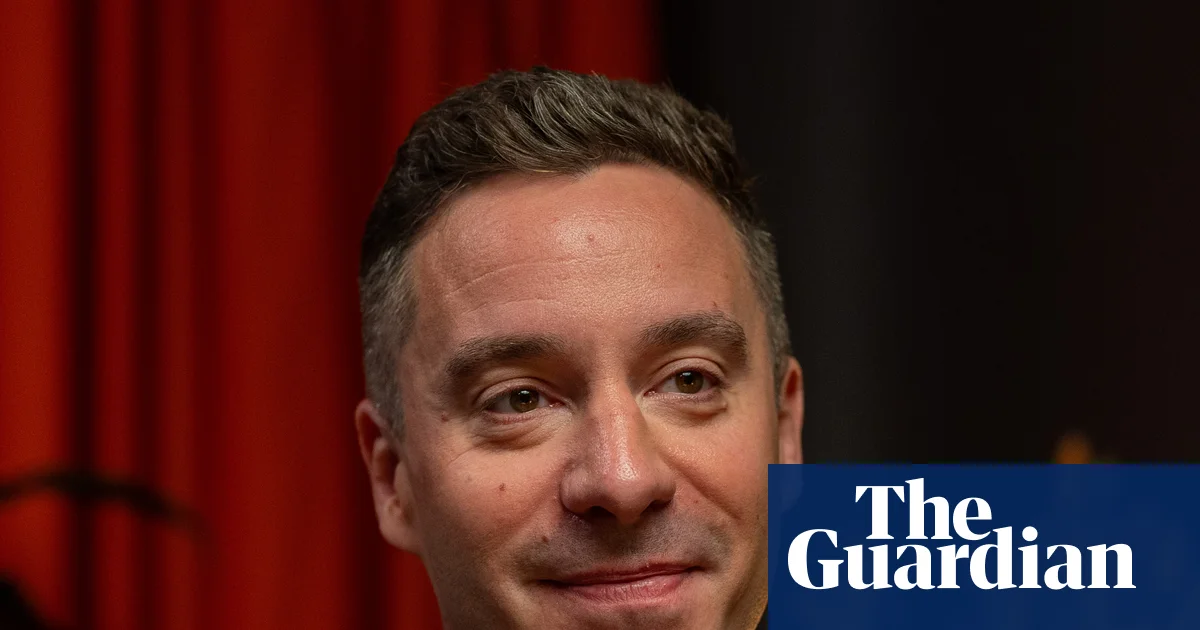
Playwright James Graham argues that "culture is stagnant, so politics is stuck," suggesting that algorithms have led us into "a massive crisis of the new" and are preventing us from imagining a different future. This was reported by Qazaqyia.kz citing The Guardian.
In the "Radical Thinking" podcast, Graham expresses concern about a potential democratic crisis. He says that algorithms have led society into "a massive crisis of the new" and are preventing us from imagining a different future. The podcast is presented by Aditya Chakrabortty, produced by Frankie Tobi and Luke John Smith, with executive producers Maz Ebtehaj, Kirsty Major and James Tindale. The episode was released on 24 October 2026.
According to Graham, cultural stagnation has political consequences, but this is rarely discussed. In the podcast, he shares his thoughts on his work and contemporary culture. Aditya Chakrabortty compiled a reading (and watching) list for Graham.
Graham has written a shaming amount. The list includes three of his works: "Dear England" — about England's football team; "Sherwood" — set in the village where Graham grew up in the shadow of the miners' strike; "Quiz" — set on the British quiz show "Who Wants to Be a Millionaire," where a contestant wins a million quid.
Chakrabortty also recommends Kyle Chayka's "Filterworld: How Algorithms Flattened Culture" for those who say "it was the algorithm that did it." For a wider-ranging explanation, he suggests "Blank Space: A Cultural History of the Twenty-First Century" by W. David Marx. Both books are fairly recent. Much earlier and truly magnificent is the much-missed Mark Fisher on what he called the slow cancellation of the future. On the same theme, an essay by Adam Mastroianni is also great.
The podcast also mentions the film "INK," which will be released in UK cinemas on 8 January 2027. The full episode with James Graham can be watched.
Thus, the playwright highlights the link between cultural stagnation and political deadlock, criticising the impact of algorithms on the public imagination.