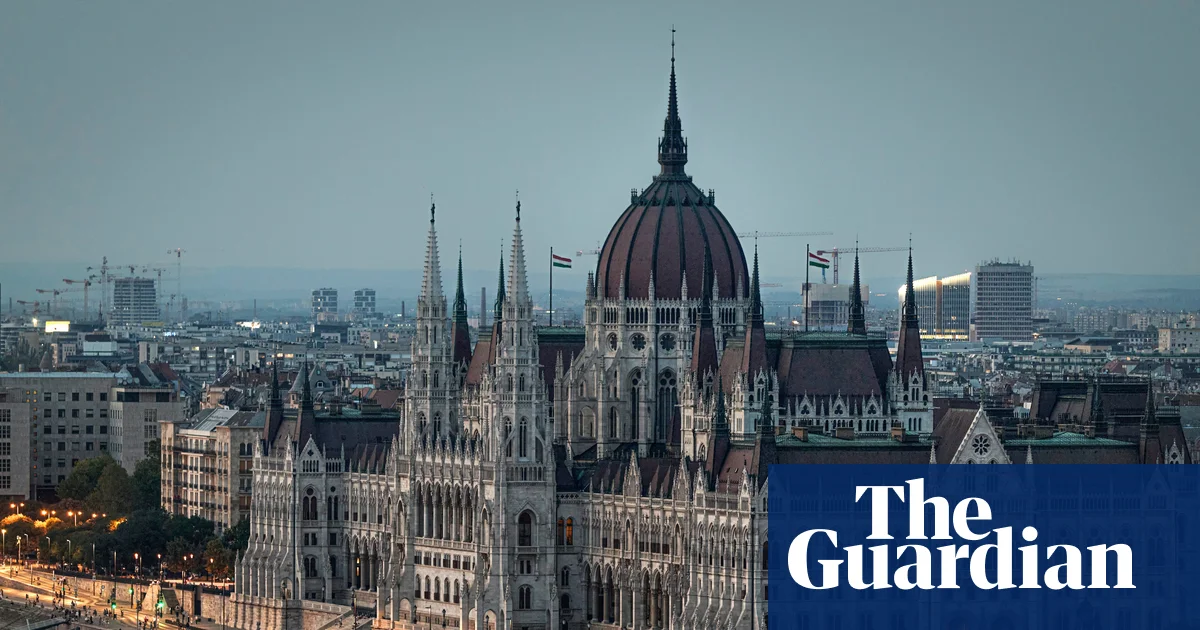
The Hungarian parliament building on the banks of the Danube is not being lit as normal at night owing to energy-saving measures being imposed during drought conditions. This was reported by Qazaqyia.kz citing The Guardian.
Climate crisis and the Danube
Journalists from The Guardian travelled 100 miles (approximately 160 kilometres) along the Danube, the longest river in the European Union, to investigate the effects of the drought. Some residents in the region are struggling to secure drinking water.
Riverbed cyclists
Due to the drought, the water level of the Danube has dropped dramatically, and in some places the riverbed has completely dried up. This has allowed local residents to cycle along the riverbed, which is normally impossible.
'Rock of Starvation'
The shallowing of the Danube has exposed a historical 'Rock of Starvation'. These rocks were used in the past to mark low water levels during previous droughts. They served as a warning to local residents about famine and hardship.
Energy-saving measures
The night lighting of the Hungarian parliament building is not operating normally due to energy-saving measures imposed during drought conditions. These measures are aimed at conserving energy resources in the region.
Residents' difficulties
Some residents along the Danube are facing difficulties in accessing drinking water. The drought has also caused significant damage to agriculture, leading to crop losses. This poses a serious threat to food security in the region.
Scientists' warnings
The climate crisis is impacting Europe's water resources. Scientists warn that the frequency and intensity of such events will increase. The situation on the Danube is a clear example of global warming.
Conclusion
The Guardian's journey highlighted the catastrophic consequences of the drought on the Danube. This situation underscores the impact of the climate crisis on major European rivers. Local residents and authorities are forced to adopt new water management strategies.