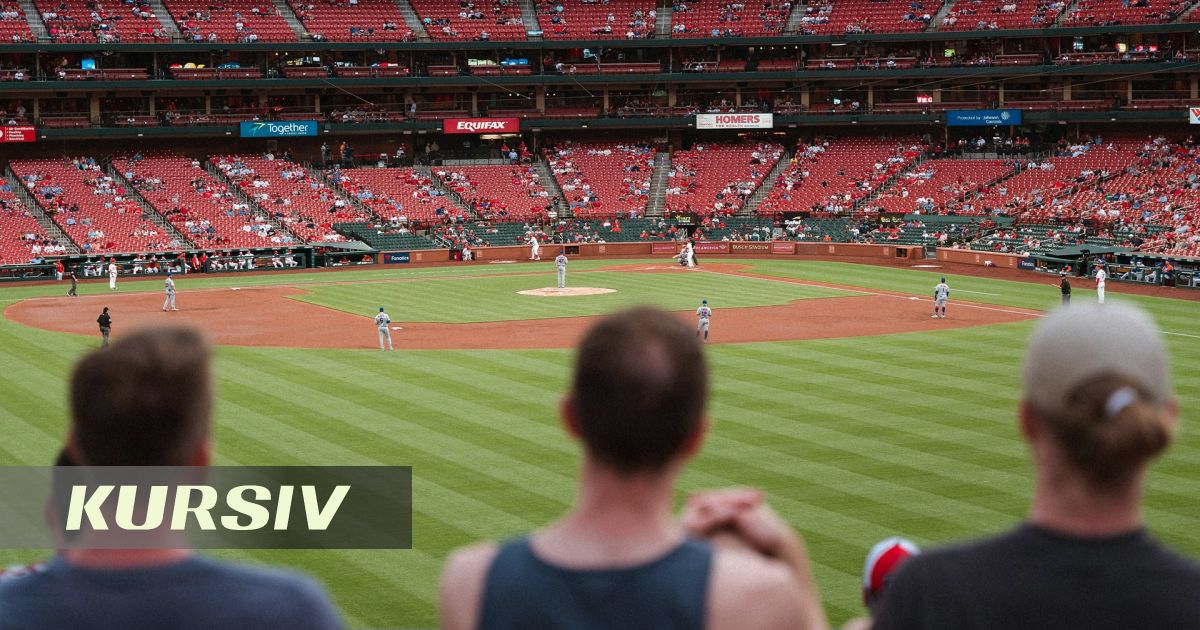
Millions of people recently cheered for their favorite teams together during the FIFA World Cup — in stadiums and in front of TV screens. New research by Japanese scientists shows that such shared experiences can not only unite people but also be accompanied by measurable changes in the body. This was reported by Qazaqyia.kz citing Kursiv Media.
The study was conducted by scientists from the University of Tsukuba. They decided to test what exactly happens to us during joint viewing of competitions. The work was published in the journal Translational Psychiatry.
The study involved 60 adult viewers, 21 of whom were women. All were ordinary sports enthusiasts, not devoted fans of teams.
During a university basketball match, participants provided saliva samples several times to determine oxytocin and cortisol levels, wore sensors for continuous heart rate monitoring, and assessed their impressions after the game.
Analysis showed that in people with initially low levels of the "love hormone" oxytocin, its concentration increased markedly during the match. In those with high initial levels, it remained elevated throughout the game.
At the same time, participants' cortisol levels decreased. This hormone is often associated with stress. The ratio of oxytocin to cortisol increased, which, according to the authors, may reflect a more favorable emotional state.
Another interesting observation was the synchronization of heart rate. As the game progressed, viewers' heartbeats became more coordinated, and this effect persisted after the match.
People with more pronounced heart rate synchronization more often reported that they enjoyed watching more, felt a stronger sense of unity with others, were more engaged, and were more willing to attend a sports match again.
The study has several limitations. It involved only 60 people, examined only one university basketball match in Japan, and was observational in nature.
Therefore, the work shows a link between joint sports viewing and physiological changes but does not prove that watching the match caused them. Larger studies are needed to confirm the findings.
What the 2026 FIFA World Cup final was remembered for — read in the article by Kursiv.
If the article causes you anxiety, discuss it with an artificial psychologist.