WHO Director-General Tedros Adhanom Ghebreyesus said on social media X that the WHO has joined the investigation into the death of the first registered case of human infection with the Schmallenberg virus in France. This was reported by Qazaqyia.kz citing Kursiv Media.
The WHO is in contact with French authorities, who are gathering information to better understand the source of the patient's infection, possible routes of virus transmission and any potential public health risks, the WHO chief noted.
"Further research is needed to better understand the mechanisms of infection transmission," he emphasized.
It is known that the patient was treated in Lyon for a severe illness and had a severely weakened immune system. The man died in early October. Scientists are establishing what role the pathogen, previously unseen in humans, played in the development of complications.
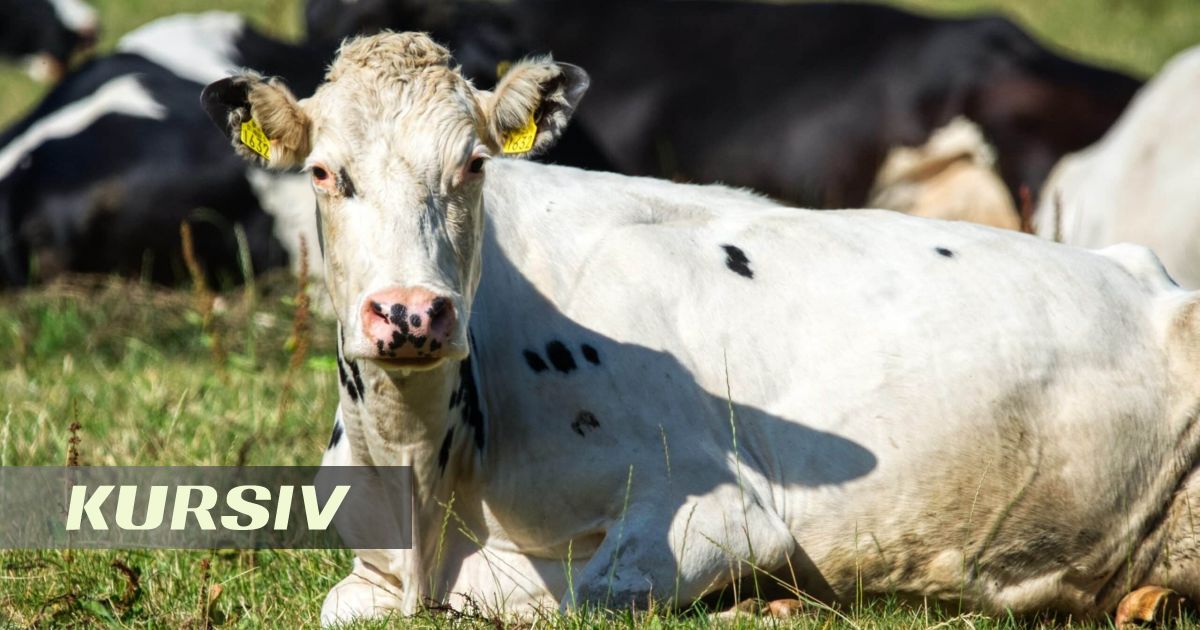
The Schmallenberg virus usually affects cattle, sheep, goats and horses. Among animals, the infection is spread by blood-sucking midges of the genus Culicoides. It is assumed that the first infected person also became infected after being bitten by an insect in eastern France, where the pathogen circulated among livestock.
The WHO officially characterizes this case as isolated and states that the risk to the general population is extremely low, since the virus is not transmitted from person to person. However, the organization is checking whether the Schmallenberg virus could become a permanent threat to people with severe immunodeficiency (cancer patients, patients after organ transplantation or with HIV).
The WHO also notes that to date there are no vaccines or specific treatment for the Schmallenberg virus for either humans or animals. Protection of livestock and people is currently based solely on combating bites from vector insects.
Earlier, Kursiv wrote that French authorities reported the first recorded case of human infection with the Schmallenberg virus — a pathogen that usually affects cattle.