Datacenter developers are manipulating the EPA's air pollution permitting process to avoid emission controls and scrutiny of their projects, environmental advocates allege. This was reported by Qazaqyia.kz citing The Guardian.
Companies need federal permits to emit a range of pollutants. In their permit applications, some in big tech are avoiding "major" reviews by dividing their emissions sources into separate, multiple "minor" sources that require less regulatory oversight, the advocates say.
This helps datacenters avoid public scrutiny, and permit applications are typically approved much faster. It also likely saves tech companies money, and avoids the hassle and cost of potential pollution controls, advocates say. Datacenters can be significant sources of nitrogen oxide, ozone, heavy metals, particulate matter, greenhouse gas and other dangerous air pollutants.
In North Carolina, Amazon and utility giant Duke Energy are installing 649 diesel generators to back up a new hyperscale center. They submitted two permits, and avoided a major review despite being in a low income area that already suffers from high levels of air pollution.
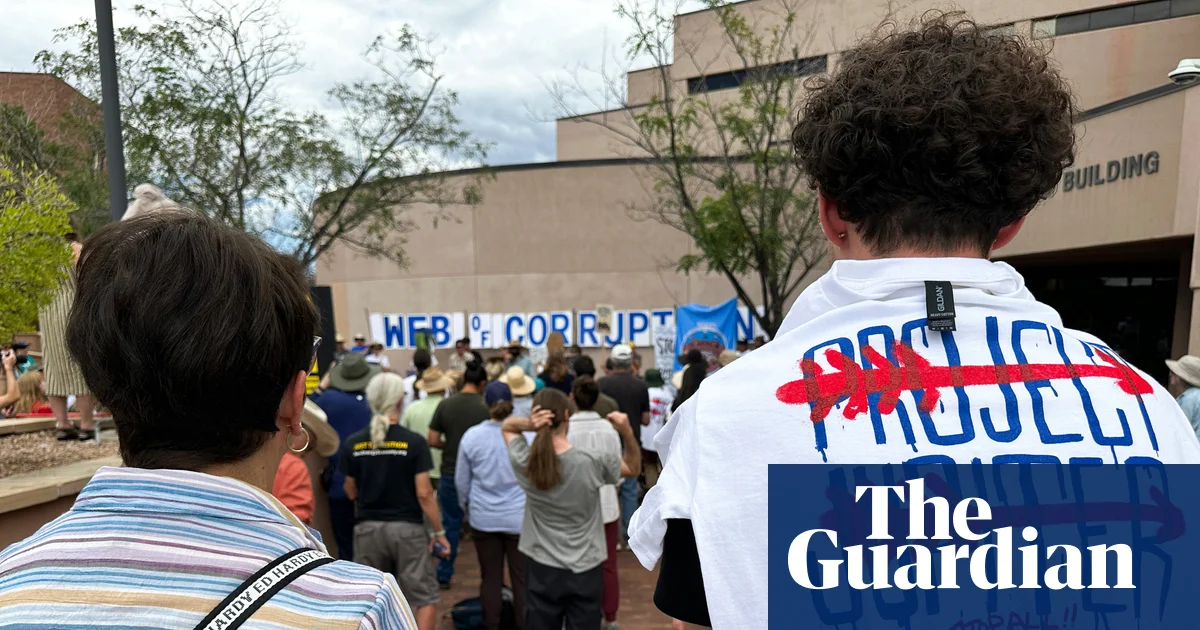
In New Mexico, the Project Jupiter datacenter developers attempted to circumvent a major review by proposing two natural gas "microgrids" for either side of the facility and submitting two "minor" permits. The overall project would have released enough pollution to trigger a major review.
In Frederick, Maryland, four datacenters with separate minor permits, including one by Amazon, operate on a single campus with a master developer, regulatory documents show. In other instances, data center developers have staggered minor permit requests over months that cumulatively emit as much pollution as a major source, advocates say.
These regulatory maneuvers make it less clear how much pollution residents living near the facilities are exposed to, and the move amounts to "lego permitting", said Michael Koerber, a retired deputy director of the EPA's Office of Air Quality Planning and Standards, which worked on permitting.
"They want to fly under the radar," said Koerber, who now volunteers with the Environmental Protection Network nonprofit. "The more attention they have, the more difficult it gets to get the permit. They have consultants who are very good and know where the shortcuts are."
Koerber noted that the situation is not unique to the data center industry. Cheryl Vetter, a former EPA employee who worked with Koeber and left the agency last year, said it was not common for data centers to use this tactic until after she left.
In a statement, an Amazon spokesperson said the company "appropriately applied for and obtained an air permit for our datacenter project".
Under the Clean Air Act, companies building a project that will be a "major" source of air pollution, like some hyperscale data centers, are typically supposed to undergo a more stringent air emissions review. Among other protections, it is supposed to ensure that the pollution the facility would add to the local airshed would not violate air quality limits when combined with the air pollution already in the region.
This process can be lengthy, may require pre-construction monitoring, and, if the proposed data center is found to violate limits, may require companies to take steps to limit their pollution, like adding scrubbers to their smokestacks.
The Project Jupiter datacenter plans to divide its natural turbines into minor permits was "nothing short of preposterous", attorneys with the New Mexico Environmental Law Center wrote in March comments submitted to state regulators. The firm is representing community members who would be impacted by the proposed plans' pollution.
It in effect created a scenario in which one natural gas power plant would have operated with two minor permits, attorneys wrote. The permit application points to why the data center's developers, Austin-based BorderPlex, attempted to do two permits.
The federal limit for a minor permit for hazardous air pollution is 25 tons per year. The project's developers proposed releasing between 20.2 and 24.2 tons of hazardous air pollution from each of the grids, meaning that together they would have released as much as 44 tons of hazardous air pollution.
In regulatory documents, Maslyn Locke, an attorney working on the case, wrote that the "audacious attempt to arbitrarily distinguish two halves of the same source is insulting to both [regulators] and community members, as it is so clearly an attempt to avoid air pollution control requirements."
The developer withdrew the application in April amid fierce community pushback, Locke said. The New Mexico environment department also opposed the proposal, a spokesperson told the Guardian. However, Locke told the Guardian there was no public evidence that regulators opposed it until now. New plans for the data center have been held up by the state supreme court over procedural problems, Locke said.
Vetter said the law allows for divided permits in some instances. Permits can be divided if two companies are polluting at the same location, but not if all the polluting activities are under common control. The sources must also be adjacent, though the definition of "adjacent" can include those that do not share a border, but operate as part of the same facility.
Amazon and Duke's North Carolina plans call for nearly 250 tons per year of nitrogen oxides, carbon.