Sales of tinned food, radios and torches spiked in some shops after the UK government advised households what to stock up on in case of a national emergency. This was reported by Qazaqyia.kz citing BBC News.
While having this stash - or personal crisis kit - is new to the UK, it's common in many places across the world. Countries facing extreme weather, natural disasters and fraught geopolitical situations regularly issue preparedness guidance - some even delivering booklets directly to homes.
Sweden: a government booklet
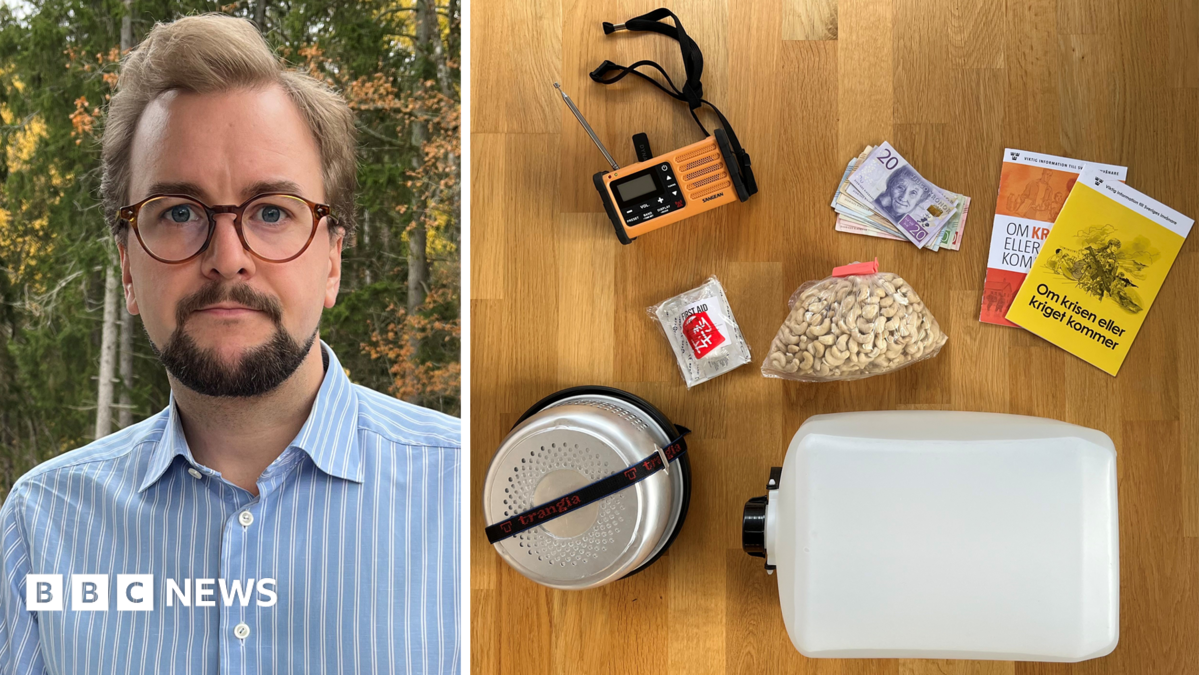
Thirty-year-old Andreas Wennerberg had never really thought about preparing for emergencies, until a government booklet arrived through his door two years ago. Posted to every household in Sweden, it detailed what to stock up on and how to act "in case of crisis or war". Andreas, who lives in Stockholm, built up a relatively small stockpile in his basement, including a crank radio, a tank with 10 litres of water and about €200 (£170) in cash. He says he already owned some of the items. It was a "wake-up call", he says, but admits he hasn't followed the guidance in full.
US: a parent's responsibility
Dan C, a physiotherapist in Maryland, started his emergency supply after becoming a father. So far, he has spent about $6,000 (£4,470), storing it on shelves in his basement. "It's part of my responsibility as a parent," says Dan, 38, who has two children under 10. A few years ago his house was cut off during a "very cold" February and the family was without power for two days. Though he'd already started keeping supplies, "there were numerous gaps in what I had prepared for," he says. Dan's stash now includes 150 gallons of water and several large water storage containers made of soft plastic, which can be filled and kept in the bath. He also keeps things like chlorine dioxide tablets, which are often used to make water from streams or rivers safe to drink. His "rotating pantry" - consisting of long-life food supplies like oats, quinoa and peanut butter - is regularly used for cooking then replaced so "it's not just sitting there expiring". For his family-of-four, he has about three months of food supplies. Dan also has solar panels, a camping stove, a tent, wood supplies and a propane fireplace insert that can run off grid - without electricity or wood. He also keeps extensive medical supplies - including bleeding control kits. In the US, the Federal Emergency Management Agency advises people to assemble an emergency kit, make a family emergency plan, and be informed about how to respond to different incidents. Dan says when it comes to emergency planning, "there can be a tendency to catastrophise," but for him, it's about being a "responsible homeowner".
Japan: after the earthquake
Ayumi T, who lives in Tokyo, has kept an emergency bag for years in case of events like earthquakes, typhoons and extreme heat. But after an earthquake in 2024 killed hundreds of people and caused widespread damage to Japan's Noto Peninsula, Ayumi stocked up even more. Tokyo's government has a 68-page disaster prevention guide, which details what to keep in an emergency kit and what to do in certain emergency situations. In her emergency rucksack - kept in her wardrobe - Ayumi keeps clothes, towels, menstrual products, disposable chopsticks, sticky notes, disposable masks and a disposable toilet, like those used by hikers and campers. "A lot of it is old stuff I don't use anymore," Ayumi, 27, who works at a university, says. Every new year, her family check their kits and update them if necessary, replacing out-of-date food, for example.
Atlanta: don't panic, be prepared
Over the past five years, "it's been on my mind, 'what happens in case of emergency?'", Nicole Bonds says. The leadership coach in Atlanta puts this down to noticing "significantly more and more" severe weather patterns and storms around the world and a lack of preparedness. Her motto is "don't panic, be prepared", she says. As well as a large selection of cleaning and hygiene products, Nicole, 48, has bought batteries, a power bank, first-aid supplies, rechargeable fans, blankets and sleeping bags. To keep it affordable she picks up a small amount of supplies "here and there" to gradually build up her stock. She keeps some of the items under her bed, in packing bags and in her kitchen cabinets.
Netherlands: below sea level
Where Michael Stuut lives in the Netherlands is below sea level. He says he worries about extreme weather but also possible war. The 39-year-old, who lives in Hoorn with his wife and five-year-old son, started preparing his kit a few years ago.