The brother of the late Diana, Princess of Wales, has claimed in published extracts of his new memoir that King Charles sounded "giddily elated – like a lottery winner" in a phone call to him immediately after her death. This was reported by Qazaqyia.kz citing The Guardian.
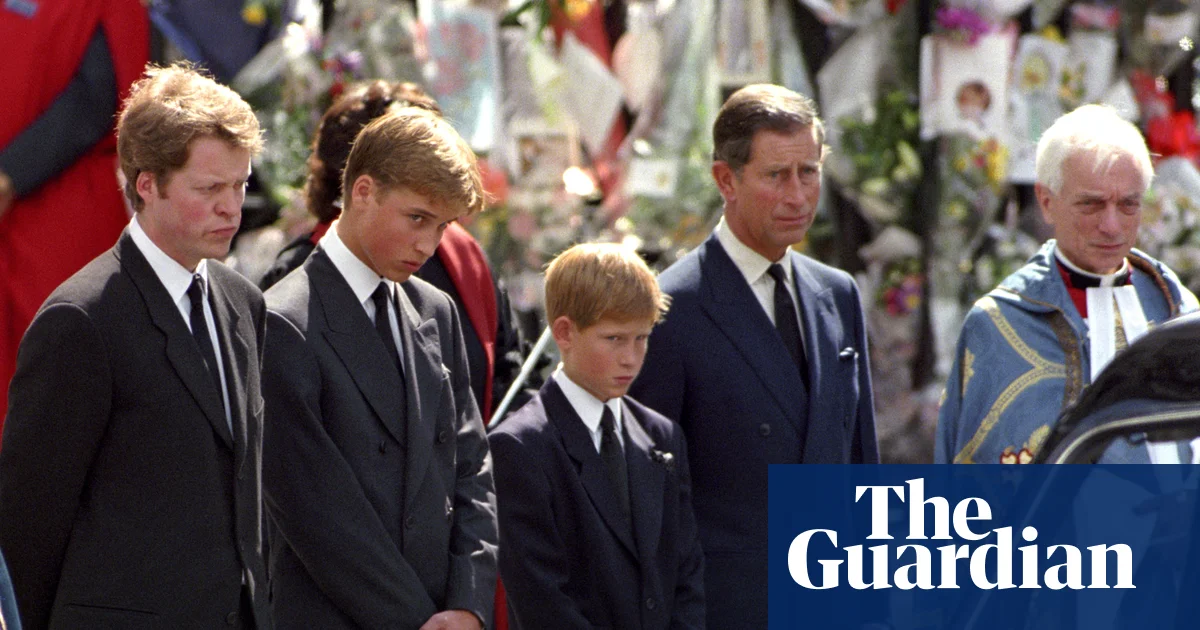
Earl Spencer also says he believed Buckingham Palace wanted William and Harry and himself to walk behind Diana's coffin because the then Prince Charles was "adamant" he was going to walk and palace officials feared "members of the public might shout abuse at him". By getting Diana's sons to walk, "that would surely guarantee against insults flying", he wrote.
The memoir, Swan Song: Diana, My Sister, due to be published next week, has already made headlines, with Spencer alleging that during a heated phone call before Diana's funeral, the king remarked: "Rest assured, we'll forget her soon enough."
Buckingham Palace issued a robust rebuttal on Wednesday evening, saying in a statement: "While we do not comment on books as a matter of principle, His Majesty is mindful that the pain of fraternal grief can cloud reason, affect judgment and colour memory in ways others do not recognise, even many years after such a loss."
In new extracts, published on Thursday on the website of the Daily Mail, which is serialising the book, Spencer suggests that some inside Buckingham Palace were "relieved – indeed pleased" at Diana's death in a Paris car crash. It was his suspicion that Charles's first reaction must have been to think how he could now marry Camilla Parker Bowles.
According to Spencer, Diana had confided in a friend that days before their wedding, Charles had told her "she needed to know he was very happy to marry her, but he was not actually in love with her", and she was certain he was "entering their marriage with his heart elsewhere".
Diana tried to break off the engagement after finding a bracelet Charles had bought for Camilla, who is now the queen, he writes. But their father was "appalled", telling her "it was impossible to pull out of such an enormous commitment at that point".
Spencer says in the book that he also believes Charles may have contributed to the princess's eating disorder, saying Diana's waist shrank from 29in to 23.5in between the engagement and wedding after she was "devastated" at her fiance squeezing her waist and saying: "Oh, a bit chubby here, aren't we."
He was also convinced Diana had ADHD and, like himself, suffered from Rejection Sensitive Dysphoria. He writes: "It is a sad fact that, in her later years, Diana drove herself more than once to Beachy Head, the highest chalk sea cliff in England, while contemplating ending it all. Her love for her sons stopped her from going further."
The excerpt goes on to say that Diana told him she was going to get divorced and that "my husband is in love with his valet".
Spencer, 62, has said he wrote the memoir to correct "untruths" told about his elder sister.
The row over the book overshadowed a busy day for the royal family, with the Duke of Sussex also entered the mix with an engagement of his own.
Harry, who it is understood was aware of his uncle's book in advance but not its contents, arrived at the inaugural Invictus Spirit awards in London on Thursday evening in his first appearance since returning to the UK from the US last month.
The Prince and Princess of Wales were on their first official trip to the Isle of Bute off the west coast of Scotland. The couple, who hold the titles of Duke and Duchess of Rothesay in Scotland, visited the namesake town of Rothesay, dropped in at a shinty club and stopped at a pub while meeting community leaders and volunteers.
Charles, meanwhile, was appearing in public for the first time since Spencer's allegations were aired, at an AI summit he had convened at Dumfries House, in Ayrshire. Addressing global tech leaders, he warned of the "existential dangers" of AI systems falling into the wrong hands.
As those who have created these technologies had warned, AI risked "developing darker capacities – perhaps even to take life", he said. The king spoke of the need for reassurance that "our humanity remains sacred" and "that we will not lose control of our destiny, or our souls".