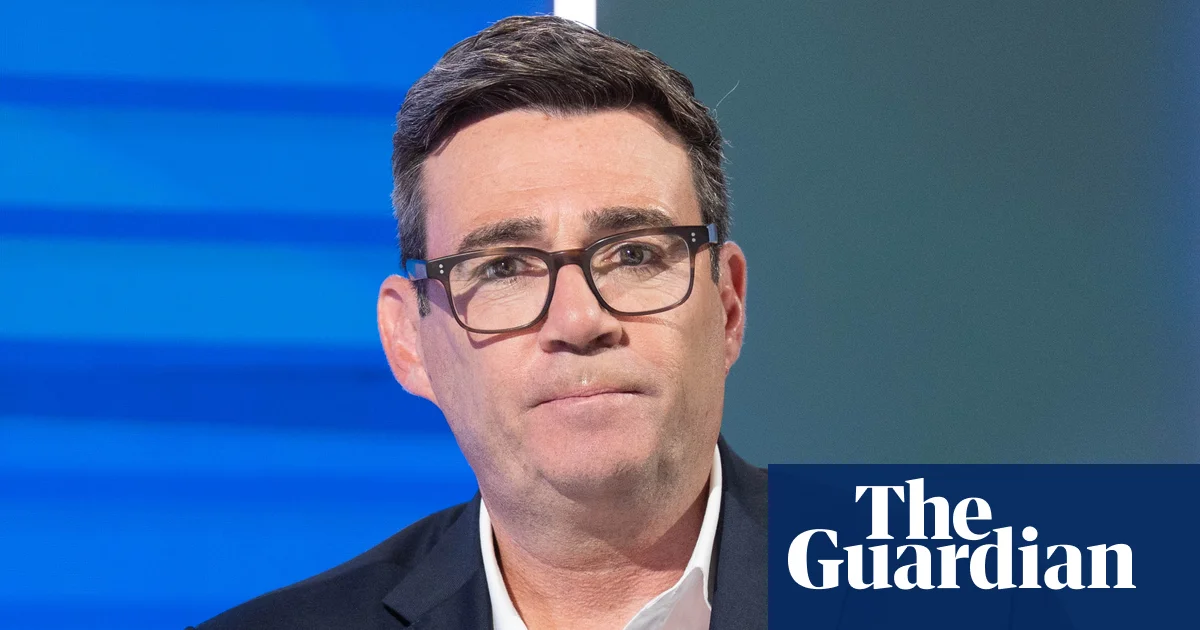
Andy Burnham promised to ease the cost of living if he becomes prime minister in his first interview since returning to parliament. This was reported by Qazaqyia.kz citing The Guardian.
The Makerfield MP told LBC that if he becomes prime minister later this month, as expected, he would look at reducing business rates for some high street businesses, bringing down water and energy costs by de-privatising companies and making bus travel free for 16- to 18-year-olds.
The measures are likely to be included as part of an immediate cost-of-living package which allies say could include more radical measures such as freezing private sector rents.
Burnham told the station's Andrew Marr: "There is some room within [the 2024] manifesto for movement on tax. So if you take business rates, for instance, I believe there is a case for higher business rates on warehouses and the major developments we see on the outskirts of our cities, so that we can cut business rates for pubs."
He added: "Britain is paying too much for the basics. People are paying too much, but businesses are also paying too much, and that is certainly true of energy. What I would do, if successful, is lay out a plan for more public control over water, energy, transport, so that over the period we can get those bills down, fares down, and give people and give businesses breathing space. Britain needs more breathing space … We do need to be serious about putting more money back into people's pockets."
Polls suggest Burnham's promises of heavy political intervention to ease cost of living pressures will prove popular with the public. A study by Persuasion UK shows that if Labour runs on a platform of "cost of living populism" it would win 263 more seats than if it continues on its current trajectory.
Burnham's allies have urged him to freeze rents for a year, take green levies off energy bills and fund them through taxes instead, and reduce the cap on bus fares.
Enacting such promises, however, carries their own problems, including finding ways to pay for them. Wes Streeting, the former health secretary and likely member of Burnham's cabinet, has suggested raising capital gains tax, but Treasury officials warn this would not raise any extra money.
Meanwhile, experts say that bringing utilities under public control will not necessarily bring down consumer bills, given the levels of investment needed in the water industry in particular.
The former Greater Manchester mayor promised not to break the government's borrowing rules in a bid to fund his policy ambitions. "I am not indisciplined when it comes to the public finances – I was in the Treasury, I ran the Department of Health," he said.
And he promised to spend some of his working time in Manchester, where he has promised to locate part of the No 10 operation. He confirmed on Thursday that his preferred site for "No 10 North" was a digital campus being built near Manchester Piccadilly station. "I will spend time there, because I think it's really important to show a new drive around taking power out of Westminster," he said.