The United Nations' food agency said Tuesday it is halving food assistance in the Israeli-occupied West Bank because of severe funding shortages and warned it may be forced to make further cuts in Gaza, where it supports 1.5 million people. This was reported by Qazaqyia.kz citing Associated Press.
The UN World Food Programme said it will reduce assistance in the West Bank from 400,000 people to 200,000 beginning this month. In Gaza, it reduced the value of cash assistance by 40% for 375,000 people in July and said additional cuts will be unavoidable unless it secures new funding.
WFP said it urgently needs an additional $386 million over the next six months to assist an estimated 2 million food-insecure people across Gaza and the West Bank.
The world's leading authority on food insecurity, the Integrated Food Security Phase Classification, said in July the situation in Gaza had improved since famine was declared in parts of the Palestinian territory last year, but warned conditions were still at crisis levels.
Also in July, the WFP cautioned that funding shortages and what it described as donor fatigue could force deeper reductions in Gaza and said it needed more than $420 million to sustain operations in Gaza and the West Bank through the end of the year.
In the West Bank, WFP estimated in its Tuesday report that 900,000 people are food insecure. The agency said increased violence, displacement and economic deterioration have disrupted livelihoods and deepened hunger, while food needs have more than doubled since 2023.
"Families who were once thriving and earning a living from their land are now unable to afford enough food," Shaun Hughes, WFP's country director, said in a statement Tuesday. He added the agency was being forced to prioritize the most vulnerable households while cutting assistance to others despite widespread need.
According to WFP's latest food security analysis, 76% of households in the West Bank have experienced a significant decline in income. One-third cannot afford a nutritious diet, while food and fuel prices remain among the highest in the Middle East. Rural communities and the southern West Bank are among the hardest hit, the agency said.
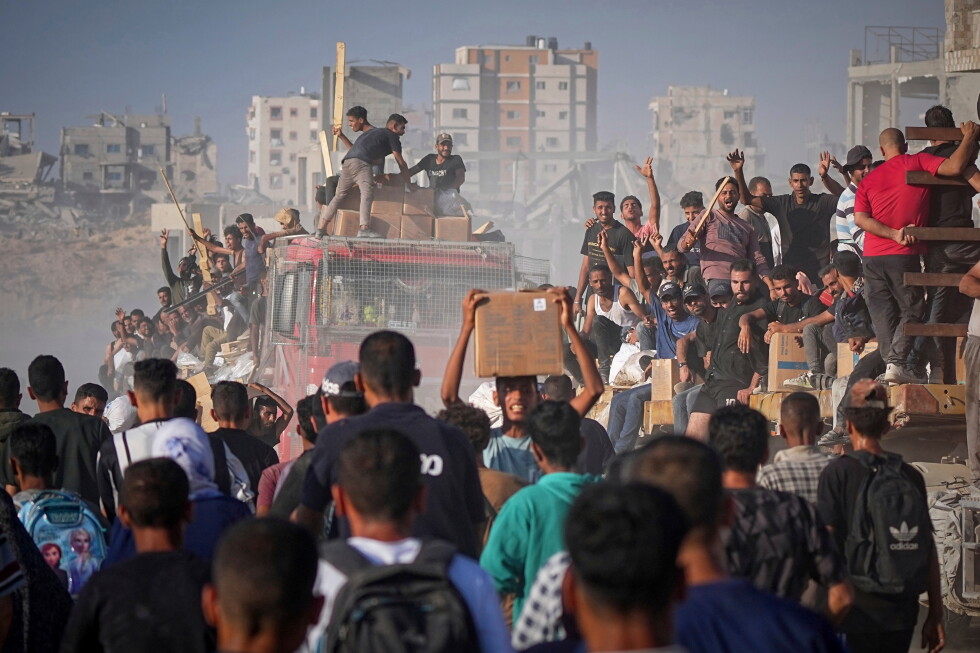
Humanitarian conditions also remain severe in Gaza. According to recent UN figures from aid agencies, about one in five families ate only one meal a day, while half reported running out of food entirely at least once in the previous month. Aid agencies say cash shortages and soaring food prices are exacerbating the situation.