According to a new World Meteorological Organization report, there is a 75% chance that the average global temperature over the next five years will exceed pre-industrial levels by 1.5 degrees Celsius. This was reported by Qazaqyia.kz citing Associated Press.
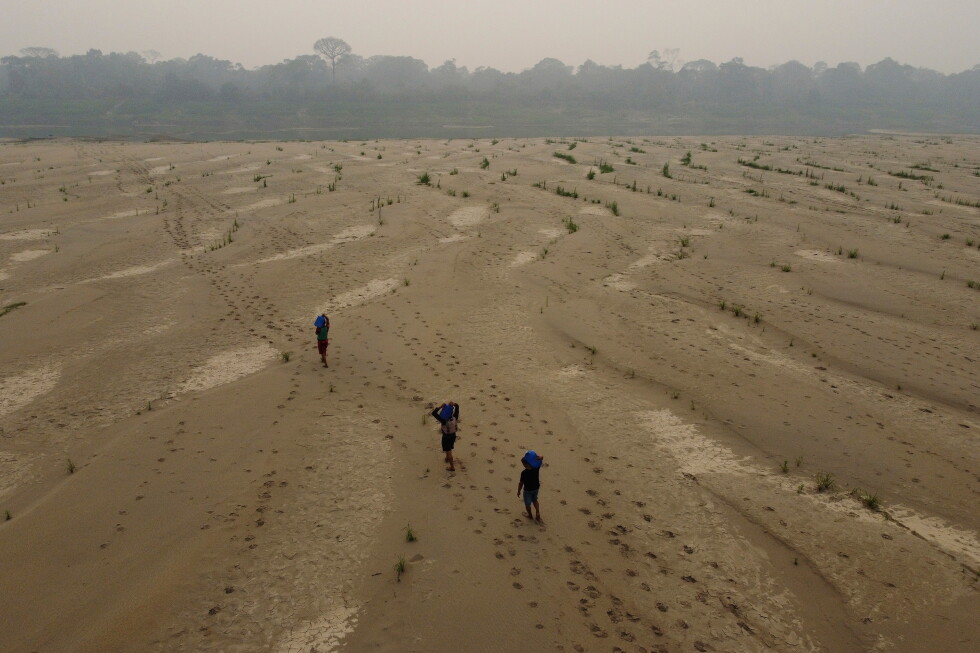
According to the UN climate projection, in the next five years, Earth is overwhelmingly likely to surge again and again past the international climate threshold set as safe and shatter its hottest-year record along the way. The World Meteorological Organization also forecasts an overheating Arctic that warms nearly 3 degrees Fahrenheit (1.66 degrees Celsius) between now and 2030 and a dangerous drought with potential wildfires for the Amazon, a crucial part of Earth's natural defenses to lessen human-caused climate change. A hotter globe from the burning of coal, oil and gas means more extreme weather including floods, droughts and heat waves, scientists said.
The projections by the UN climate agency and the United Kingdom's Meteorological Office said there's a 75% chance that the average global temperature between 2026 and 2030 will be more than 1.5 degrees Celsius (2.7 degrees Fahrenheit) higher compared to pre-industrial times. That threshold is the agreed-upon limit of warming — averaged over 20 years — set in 2015 by the Paris climate agreement.
A UN science report a few years later detailed how exceeding that 1.5 mark means more likely death, danger and species loss. Even though it's only a few tenths of a degree, the consequences could be severe.
According to the WMO report, the average temperature in the Arctic in 2026-2030 will be 1.66 degrees Celsius higher than the 1991-2020 average. This is three times faster than global warming. Arctic warming accelerates ice melt and leads to sea level rise.
Additionally, increased drought and fire risk are projected for the Amazon region. The Amazon is a vital part of Earth's natural defense system, absorbing carbon dioxide. Scientists say drought in this region could cause enormous damage to the ecosystem.
WMO Secretary-General Petteri Taalas commented on the report: "This report is another piece of evidence that climate change is accelerating. We must take urgent action to preserve the 1.5-degree limit," he said.
The report also states that at least one year in 2026-2030 will break the current record for the hottest year. 2024 is currently considered the hottest year, but this record could be broken within the next five years.
Scientists say that to limit global warming, greenhouse gas emissions must be drastically reduced. The goal of the Paris Agreement is to keep global temperature rise below 2 degrees Celsius above pre-industrial levels and to pursue efforts to limit the increase to 1.5 degrees.
The WMO report shows likely climate change scenarios for the next five years. These projections help governments and international organizations plan adaptation measures.
According to the Associated Press, the report was published in August 2026. The report says Earth's temperature is expected to reach record levels in the next five years.