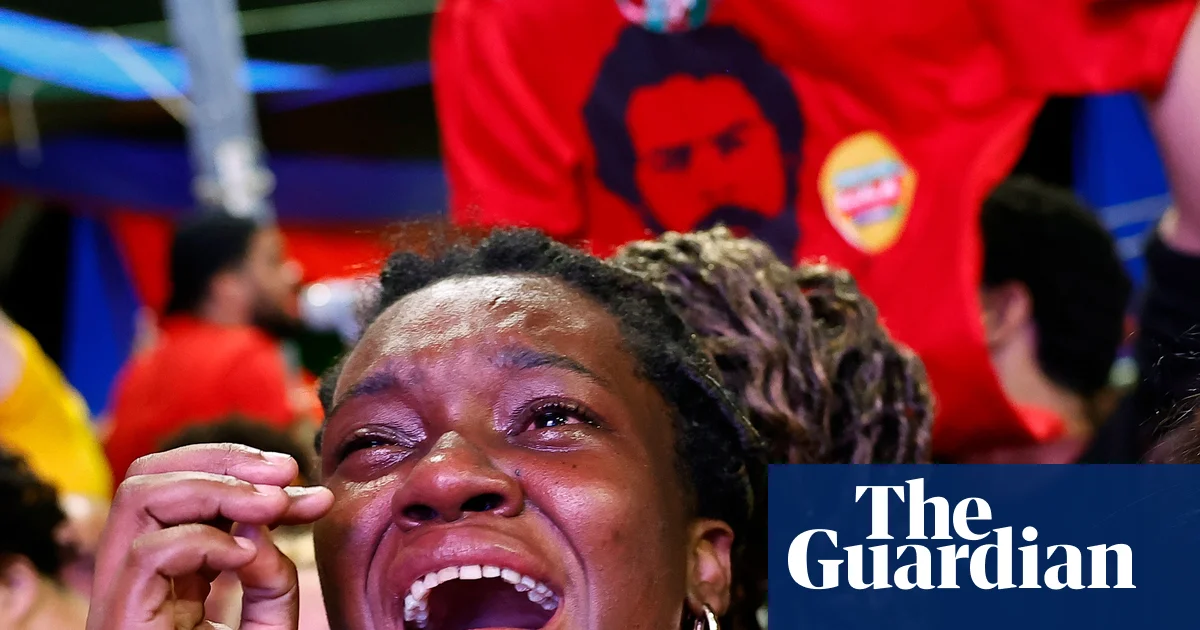
The astonishing comeback victory of Luiz Inácio Lula da Silva in Sunday's presidential runoff against his extreme right challenger Flavío Bolsonaro has brought oceans of rapturous supporters on to the streets, while also thrilling conservationists, climate activists and social justice campaigners across the world. This was reported by Qazaqyia.kz citing The Guardian.
Coming just weeks after the Lula administration announced a record fall in Amazon and Cerrado destruction, they hope Brazil can now go on to achieve its target of zero deforestation by 2030 and continue to support a global transition away from fossil fuels. That would provide a huge boost to flagging global efforts to stabilise the climate and protect degraded ecosystems. It would also set a remarkable example of leadership by the global south.
Big battles lie ahead. In the Amazon region itself, far-right members of Bolsonaro's party have won the governorships of seven of the nine states and a large number of municipal mayorships. Brazil's congress is now dominated by agribusiness and mining interests that have set the political agenda in recent years, and will push hard to allow more extractivist industries in indigenous lands, expand road-building, privatise rivers, weaken environmental protections and possibly attempt to impeach the president.
In the regional sphere, Lula, alone among the leaders of main South American nations in not aligning with Donald Trump's so-called Shield of the Americas, will face pressure from Washington to channel critical minerals and other natural resources to the US, rather than selling to China or Europe, or leaving them in the ground. And, on the planetary level, Brazil faces the threat of accelerating global heating, which is pushing the Amazon ever closer to the point of no return.
So although Sunday's result will hopefully provide a little breathing space for the Amazon and other crucially important biomes, the joy and hope that Brazil has gifted the world will quickly fade unless it inspires political change in other countries. In that sense, the biggest environmental impact of Lula's victory may be the lessons it provides for campaigners elsewhere. Here are some initial takeaways:
1 Politics matter
There is no higher environmental priority than defeating the far right, which is a Trojan horse for extractivist – and often criminal – groups to capture states and erode protections for people, democracy and the environment. Just look at the 59.5% surge of Amazon deforestation under the 2019-2022 term of Jair Bolsonaro – the highest level of any four-year presidency in Brazil. Compare that with the 71.2% fall during the Lula administration. Over the past year, forest loss was 3,335 sq km, the lowest level since the start of satellite measurements in 1988. And Lula is not, by any means, an environmentalist. He has approved several destructive projects himself, but he is a people person who listens to the voice of social movements.
2 Don't give up
Lula was largely written off by the markets and some polls after his first-round defeat. No first-round loser had ever previously come back to win the runoff. Lula was able to do so by securing an extra 10m votes over three weeks. The energy for this came from the streets and the forests. Social movements organised giant rallies in cities. In the Amazon, indigenous, riverine and quilombola groups travelled by hours – sometimes days – to reach polling stations by boats or buses.
3 Mobilise a campaign army
The first round of Lula's campaign had been stodgy, old-fashioned and defensive – three traits that are also often applicable to environmental campaigns. This was transformed during the runoff, when federal deputy André Janones launched a "Lula's Army" WhatsApp group that used humorous memes, live streams and algorithmic outreach to seize digital territory that had long been dominated by the right. By voting day, this army had 10m "soldiers", about 8% of the electorate. Volunteers devoted hours posting stories and spreading messages across social media, speeding up the Lula campaign's response time and emotional impact. Everyone was instructed not to share or respond to posts by the opposition camp.
4 Go on the offensive against US tech giants
Lula's campaign accused Meta, which runs the Facebook, WhatsApp and Instagram social media platforms, of political favouritism towards Bolsonaro in its algorithms and AI tools. Meta denied bias but acknowledged technical failures. Brazil's electoral court ordered corrective action. Among the most popular chants of Lula supporters was "Hey Meta, vai tomar no cu!" (Hey Meta, take it up the arse!). Many on the left have blamed US social media platforms for s