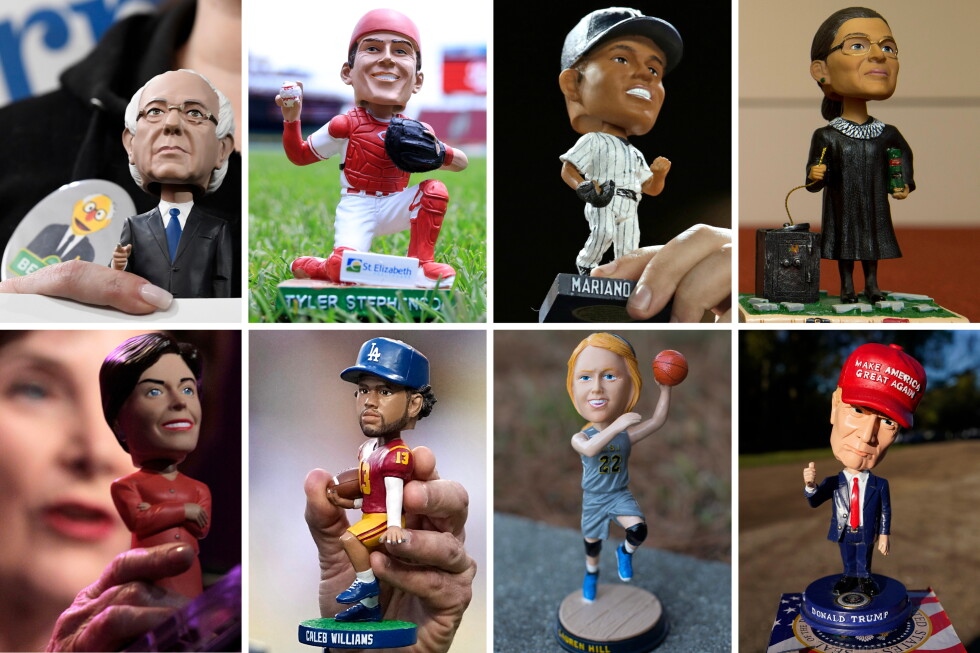
Bobblehead dolls are small collectible figurines with spring-laden oversized heads. Their name says it all: give them a tap and watch their heads go, gyrating up and down or side to side. Any head can bobble — entertainers, athletes, politicians, animals, fictional characters, even your own if you get one personalized. This was reported by Qazaqyia.kz citing Associated Press.
Kitschy, kind of funny, kind of clever, ubiquitous as giveaways at places like baseball games, who doesn’t love a bobblehead? America most definitely does.
“I think they’re the ultimate Americana, sort of pop-culture icon,” says Phil Sklar, a bobblehead figurine aficionado who has parlayed that interest into founding the National Bobblehead Hall of Fame and Museum. The Milwaukee, Wisconsin, site offers visitors a chance to gawk at a vast array of the figurines as well as learn more about their history, and offers bobbleheads for sale. (Also very American? Spaces that celebrate highly specific interests.)
The dolls aren’t an American invention. Sklar says there were head-nodding statues in China at least a few hundred years ago, seen by Europeans who brought versions back with them. Their popularity spread, and smaller versions were made, particularly in Germany.
But they reached their true head-bobbing potential in America, he says, first becoming popular in the 1960s by sports figures being given out at baseball games and then expanding to include a range of famous people, like the Beatles.
While there have been lulls over the decades in the level of public interest in the dolls, they’ve always been around, with whoever’s in the public spotlight likely to become a bobblehead subject. Says Sklar: “They really have just been something that Americans have come to know and love.”