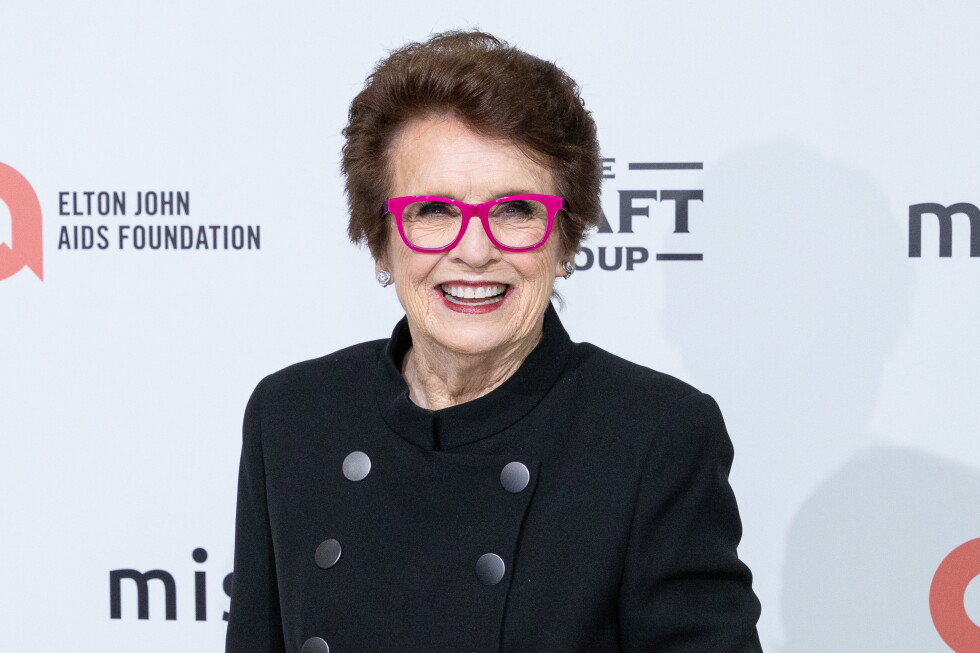
For Billie Jean King, the fight for Title IX continues. This was reported by Qazaqyia.kz citing Associated Press.
Some 54 years after the passage of the landmark legislation that banned discrimination in any education program or activity that receives federal funds, King still advocates for women's sports and equity.
There's a throughline from the passage of the law to the growth women's sports have seen in recent years. The fruits of King's activism can be seen in the athletes who populate the WNBA, the National Women's Soccer League, the Professional Women's Hockey League, and the other women's professional sports that have emerged in recent years.
"I think the professional part is starting to happen, they can see that if they want to be a big deal, they can see the top. We never had that when we were growing up, but now they can see it, and if you can see it, you can be it," King said. "They're going to be able to see these things, and that's good. But what we need is at the grassroots levels. What I always worry about: you've got to keep the girls in the sports."
King, of course, was an accomplished athlete in her own right, with 39 Grand Slam tennis titles. A year after Title IX was passed in 1972, she beat Bobby Riggs in the historic "Battle of the Sexes."
She was awarded the Presidential Medal of Freedom, the nation's highest civilian honor, in 2009.
King runs a foundation in her name dedicated to supporting young people through sports, education and activism. She is also a founder of the Women's Sports Foundation, established in 1974, which works to expand opportunities for women and girls in sports. And more recently she's partnered with Dove's Body Confident Collective with other athletes and leaders, including former soccer star Mia Hamm and South Carolina women's basketball coach Dawn Staley, to help young girls remain in sports.
Title IX is increasingly under fire from many directions. Name, image and likeness deals that have proliferated in college sports are often tilted toward male athletes in the top sports like football and basketball.
A landmark NCAA antitrust settlement granted $2.7 billion in back pay for athletes who were barred from making money off their name, image and likeness. Critics argued the settlement should be equally distributed under Title IX.
But last year the Department of Education rescinded guidance issued by the Biden Administration.