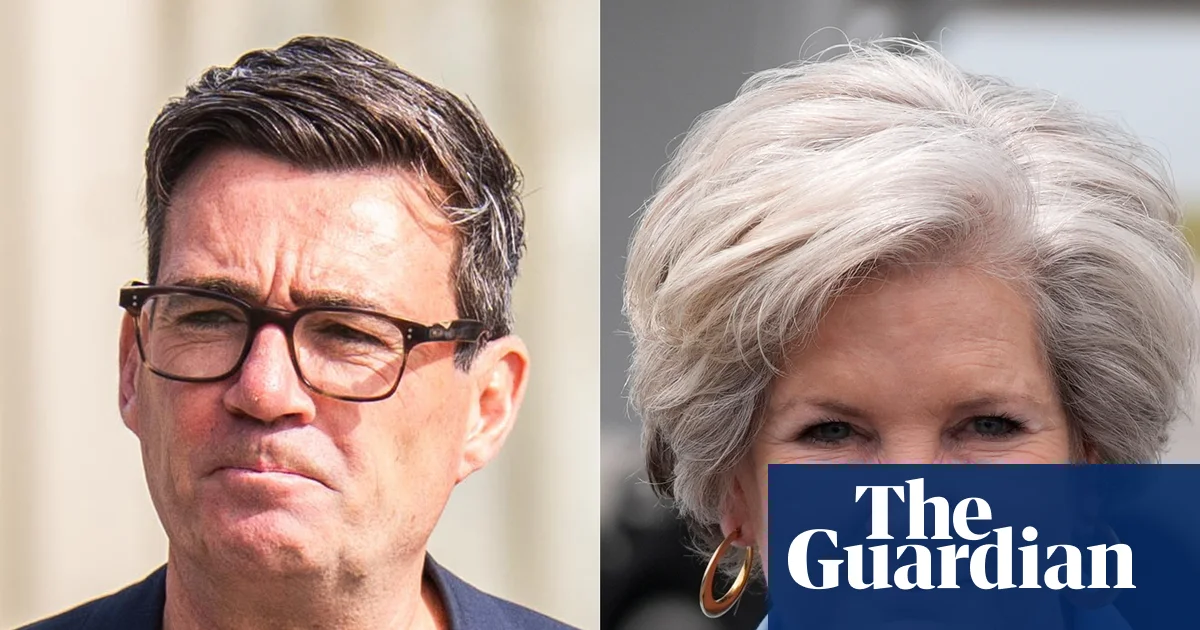
At least three UK cabinet ministers have had their personal mobile phone numbers published online, amid mounting concern over the security of senior politicians after Andy Burnham was targeted by an impersonation scam. This was reported by Qazaqyia.kz citing The Guardian.
The defence secretary, Wes Streeting, the justice secretary, Alex Norris, and the Northern Ireland secretary, Chris Bryant, had their numbers available online with their names.
A reference containing Streeting's number has since been removed, a source told the Guardian, noting he does all his government business on his official government phone. Officials are understood to be working to take down the others.
The leak, first revealed by Politico, come after Burnham exchanged messages with someone posing as Donald Trump's chief of staff, Susie Wiles.
The prime minister was in contact with an unknown individual pretending to be Wiles before concerns were raised about the incident. No messages of significance were sent and the suspicious activity was quickly reported to the appropriate authorities, it is understood.
The British embassy in Washington was so concerned it raised the matter with the White House, according to Politico. A UK government spokesperson said: "We do not comment on national security matters."
Downing Street refused to say if any measures had been taken to prevent another breach happening. No 10 refused to say whether Burnham was embarrassed that he had communicated with the impostor, and declined to say if the messages were exchanged on WhatsApp.
Last year, the Wall Street Journal reported that the FBI had launched an investigation into efforts to access Wiles's phone after an unknown person pretending to be her contacted prominent Republicans and US business chiefs.
There have been security concerns related to Trump's White House, with the president's personal phone number common knowledge among reporters covering US politics.
In December 2025, a US defence department report concluded that Trump's defence secretary, Pete Hegseth, had endangered the lives of US service personnel when he discussed details of a military operation with fellow senior US officials in a group chat to which a journalist had been added.
According to a source, Hegseth violated departmental policies when he shared secret information in a Signal messaging chat.
The chat was disclosed after the then national security adviser, Mike Waltz, added a journalist for the Atlantic, having saved his number under someone else's name. Besides Waltz and Hegseth, the group also included the vice-president, JD Vance, and the CIA director, John Ratcliffe.
The source said the report by the inspector general, the internal investigative agency for the department, found the information Hegseth distributed was secret and could have put US troops in danger if it had been intercepted by an enemy force.
In March, citing multiple anonymous sources the Guardian has not been able to verify, the Atlantic reported that the White House had been told Trump's contact details had been offered for sale to people seeking influence.
"It's honestly just wild," one of them told the outlet. "I've heard of CEOs offering money for his number. I've heard of crypto bros offering cryptocurrency for it."