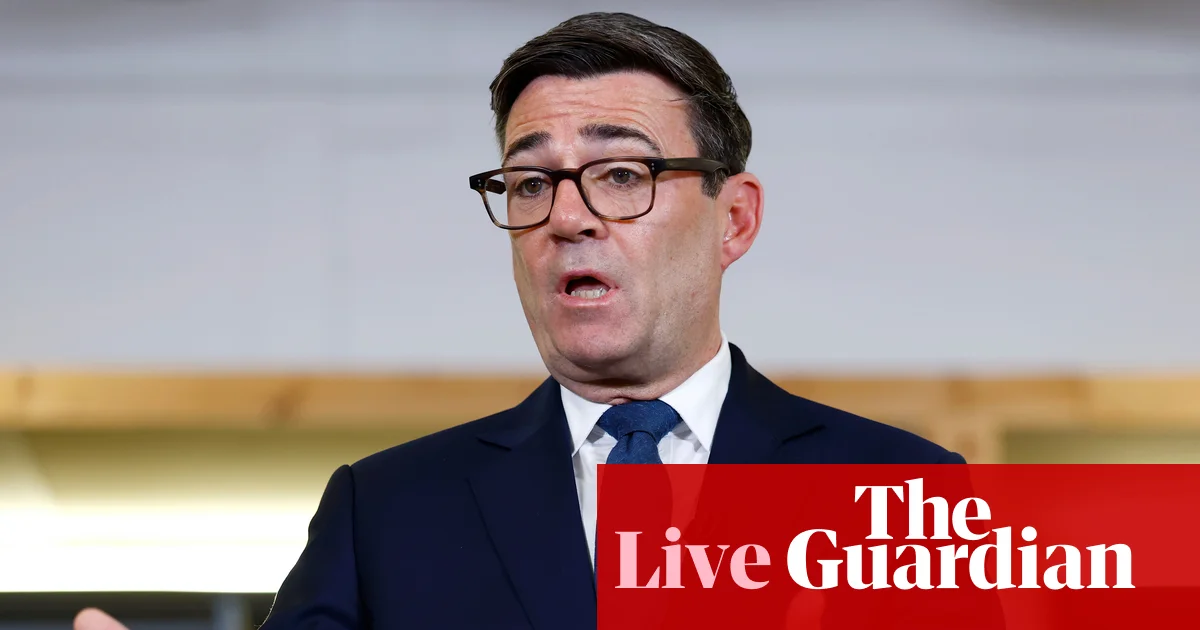
Andy Burnham said he wants to devolve power so that people can "change things for themselves". This was reported by Qazaqyia.kz citing The Guardian.
Following his speech, Burnham took questions from the media. When asked by the BBC whether his approach with devolution will make him more or less likely the last prime minister of the United Kingdom, he said: "Obviously, I don't want to be that."
The SNP has been pushing for a path to Scottish independence, which the prime minister has repeatedly ruled out.
Burnham stressed the need to move beyond constitutional questions. "I just feel we all have to move beyond the constitutional questions. In my view, people in Scotland are suffering the cost of living crisis, like they are in England and everywhere else. And I think our job is to focus on the practicalities, to focus on solutions for people. Right now, too much time is wasted in those dramas. It consumes too much energy," he said.
Burnham's remarks came as the debate over devolution in Scotland resurfaced. He noted that transferring power from the centre to the local level would allow people to improve their lives. This position echoes the views of those who advocate for changes in the UK's political system.
However, Burnham's statement may face criticism from those who raise constitutional questions. Supporters of Scottish independence believe the only way to resolve this issue is independence. Burnham, meanwhile, believes attention should be paid to everyday problems.
According to him, too much attention is currently paid to constitutional disputes, while concrete problems remain unresolved. He emphasised the need to focus on people's daily needs.
Burnham's position defines his political course. He links the future of the UK not to constitutional disputes but to practical solutions. This approach may find support among voters, as everyday problems are a priority for many.
Nevertheless, the political situation in Scotland remains complex. The SNP continues to push for independence and keeps the constitutional question on the agenda. Burnham, instead of resolving this issue, proposes measures aimed at improving people's daily lives.
After his speech, media representatives asked him various questions. One concerned the impact of devolution on the UK's integrity. Burnham avoided a direct answer, repeating that it is necessary to move beyond constitutional questions.
He also noted that people in Scotland are suffering from the cost of living crisis. This issue is relevant across the UK. According to Burnham, the government's main task is to solve these problems.
His statement is being discussed by political experts. Some assess it as a pragmatic step, while others criticise it for ignoring constitutional questions. However, Burnham remains firm in his position.
Burnham's statement has revived the debate on devolution in the UK. He noted that transferring power to the local level would allow people to change their lives. This position forms the basis of his political philosophy.
According to him, the current political system is too centralised. This does not allow local communities to solve their problems. Burnham proposes solving this problem by distributing power.
He also noted that constitutional disputes consume too much energy. In his view, this time and resources should be directed towards solving concrete problems. This position reflects his practical approach.
Burnham's statement could be an important step in his political career. He has clearly outlined his position in the debate about the UK's future. It remains unknown what support this position will receive among voters.
Regardless, Burnham's statement has given new impetus to political debate in the UK. He called for focusing on practical solutions rather than constitutional questions. This position will continue to be discussed.