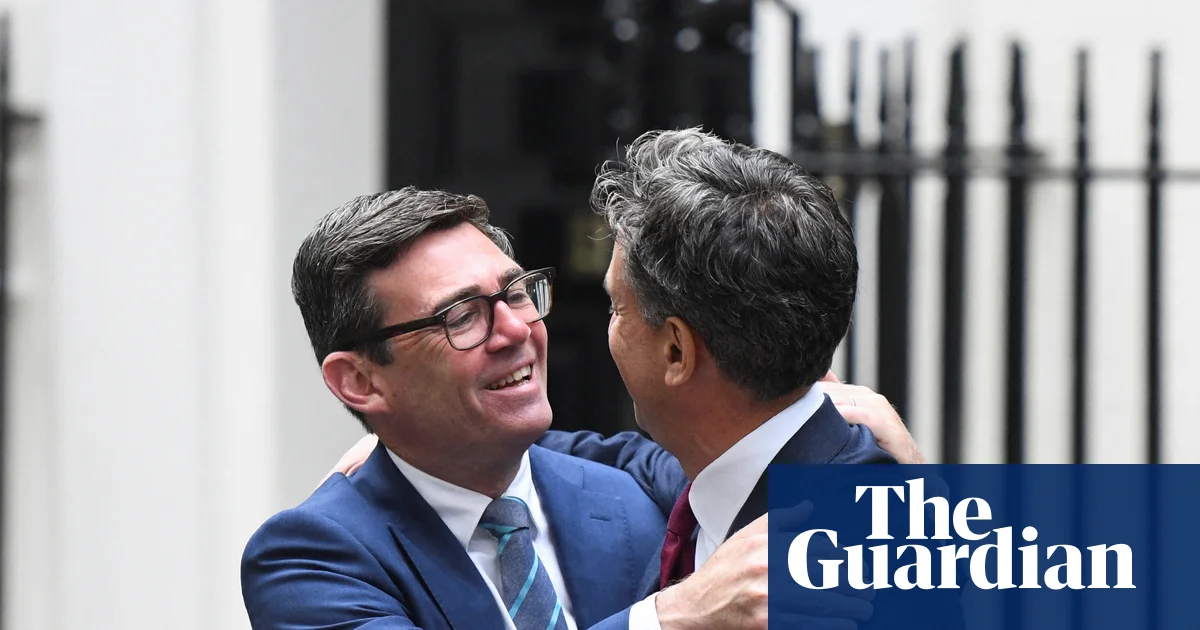
Andy Burnham's vision for cleaning up Westminster politics is a utopian one: ending the dominance of the whipping system, Whitehall power hoarding and the "insidious briefing culture" of the bubble. This was reported by Qazaqyia.kz citing The Guardian.
In his first speech on becoming Labour leader, he warned his party it "won't beat Britain's new right if we are consumed by infighting and pulling in different directions".
Burnham is not wrong to try to weed out some of the endemic problems of factionalism in British politics that result in power struggles, rather than a focus on where agreement can be found.
But the tensions between his aims are already there: to end the culture of briefing between politicians and factions jostling for ascendancy would need some extremely tough command-and-control discipline and control of the narrative from the centre.
The new leader's fledgling operation has also so far proved no different to any other when it comes to ending factionalism. Indeed, Burnham's supporters have not got their candidate to the very top without a very large amount of briefing and organising to undermine Keir Starmer – despite his claim to have been loyal to the outgoing prime minister.
Since then, there have been disputes between the right and soft left of the party, with key players falling out over who has the most input into policy, who should get which job and how policies, from North Sea drilling to immigration controls, should proceed.
Ed Miliband, who helped propel Burnham to the leadership, has been the target of vicious briefing by those who feared he would be too antagonistic to business and could spook the markets if chosen as chancellor.
Likewise there has been a counter-briefing operation against Shabana Mahmood, the alternative choice for chancellor, from some on the soft left who are eager to paint her as too far on the Blue Labour right to win over the party.
And rival ministers have not been shy to pick up the phone to journalists to tell them why they would be better candidates for the job instead.
Lucy Powell, the deputy party leader and possible deputy prime minister, told the BBC's Sunday with Laura Kuenssberg that some of the speculation around whether Miliband would be chancellor had been "really quite horrible, to be honest, and unedifying", blaming political journalists for whipping up a storm by reporting on the tensions.
She claimed Labour had handled the leadership crisis with "consensus" around Burnham, adding: "I think we've given a really good account of ourselves over these last few weeks. And maybe because political journalists haven't had all that to write about, they're looking for other personalities and other disagreements to write about."
However, the implication that reporting on political disagreements within the party should be suppressed runs counter to Burnham's other desire to make Labour a broad church that can accept differing views without the need to start withdrawing the whip or expelling party members.
When a leadership transfer has been made from Starmer to Burnham without the big debate of a proper contest or an election, it is not realistic to think all discussions about strategy and big jobs can be kept behind closed doors without any of the arguments being publicly surfaced. Whether on welfare changes, immigration controls or public spending, the right and left of Labour have very different views.
There may be room to find common ground, but not without an airing of the disagreements and struggles over who gets to control those policy areas first.
Burnham may be all powerful within Labour at the moment, and idealistic about ending factionalism and briefing wars. But he will need to maintain a very tight grip on his party and government if he thinks he will be able to decide on the future direction of the country without some big battles first.