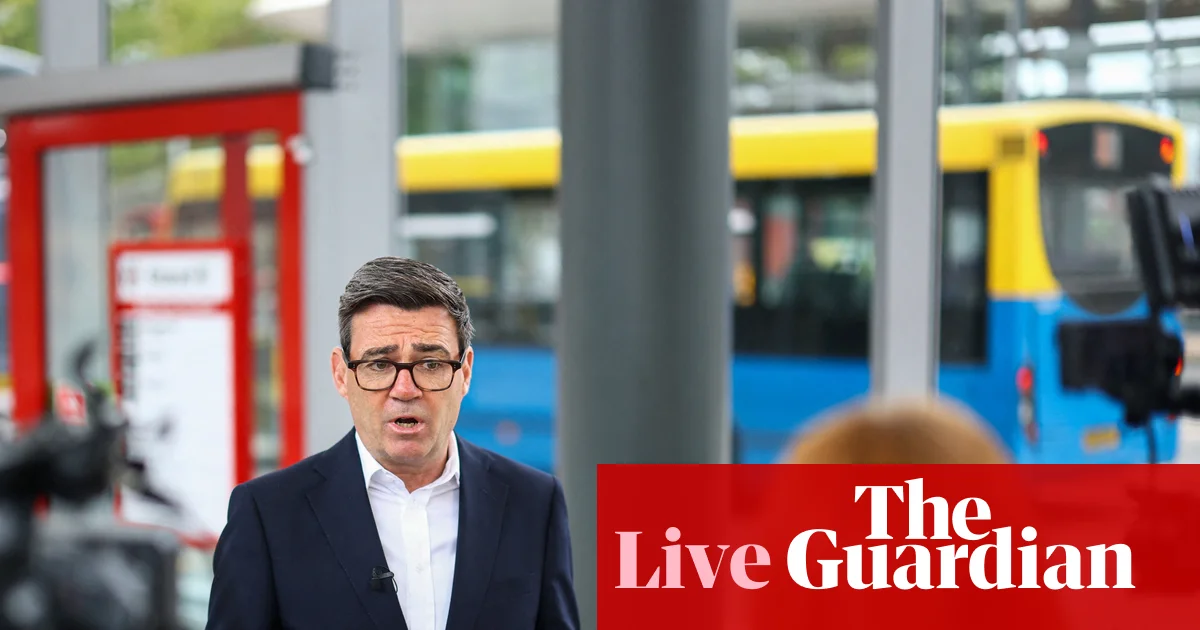
Prime Minister Andy Burnham announced a deal to bring bus services in the West Midlands under local control, safeguarding thousands of jobs. This was reported by Qazaqyia.kz citing The Guardian.
Prime Minister Andy Burnham has confirmed a new partnership between the government and the West Midlands Combined Authority (WMCA) to take local control of bus services in the region. Burnham called the move "absolutely massive" and said it would protect thousands of jobs, which were threatened after the parent company behind local operator National Express indicated it was leaving the market.
The deal, backed by £11.5m of new government funding, will support the WMCA to keep bus services running by bringing the bus network under public control, the government said.
WMCA is working on a longer term ambition to directly control bus services through franchising, like in London and Greater Manchester, paying contractors to run the services for them.
"Government and local leaders have joined forces to keep vital bus services running for millions of people across the West Midlands, protecting thousands of jobs and empowering local decision making to deliver better, more affordable, and more reliable bus services," Burnham said in a video posted on X.
Reacting to the government's announcement, the shadow transport secretary, Richard Holden, questioned the move, saying it could come at huge cost to the taxpayer. He wrote in a post on X: "Buses in Manchester and London are franchised (ie owned by a private company but operated under a local authority brand.) It seems strange that the Government didn't try and facilitate this or encourage another private operator to take over the enhanced partnership operation in the West Midlands but instead transfer c. £100m of liabilities to local taxpayers backed by The UK Govt & ultimately UK taxpayers."
This decision comes amid concerns about the future of bus services in the region. The potential exit of National Express from the market had threatened jobs and public transport accessibility. The new agreement aims to address these issues and ensure the sustainability of bus services in the region.
The partnership between the government and WMCA involves implementing a new model of managing the bus network. This model gives local authorities more control over planning and pricing of bus services, allowing for better service to passengers.
According to Burnham, this step will not only preserve thousands of jobs in the region but also help improve the quality of bus services and make them more affordable. He also emphasized the importance of local decision-making, which allows for services better tailored to the region's needs.
However, the opposition warned that this step could be costly for taxpayers. According to Richard Holden, the government instead of attracting a private operator chose to transfer liabilities to local taxpayers, which in the long term could lead to financial instability.
This news comes amid broader changes in the UK's public transport sector. In London and Greater Manchester, bus services are managed through franchising, and the West Midlands is now preparing to move to this model.
Details of the new agreement are still being finalized, but an initial funding of £11.5m has been allocated. These funds will be used to ensure the uninterrupted operation of bus services and to begin the transition to franchising.
Local residents and passengers have mixed reactions to this decision. Some hope this step will improve the quality of bus services, while others express concerns about additional costs for taxpayers.
The government and WMCA plan to publish full details of the agreement in the coming weeks. Meanwhile, bus services continue to operate as usual.