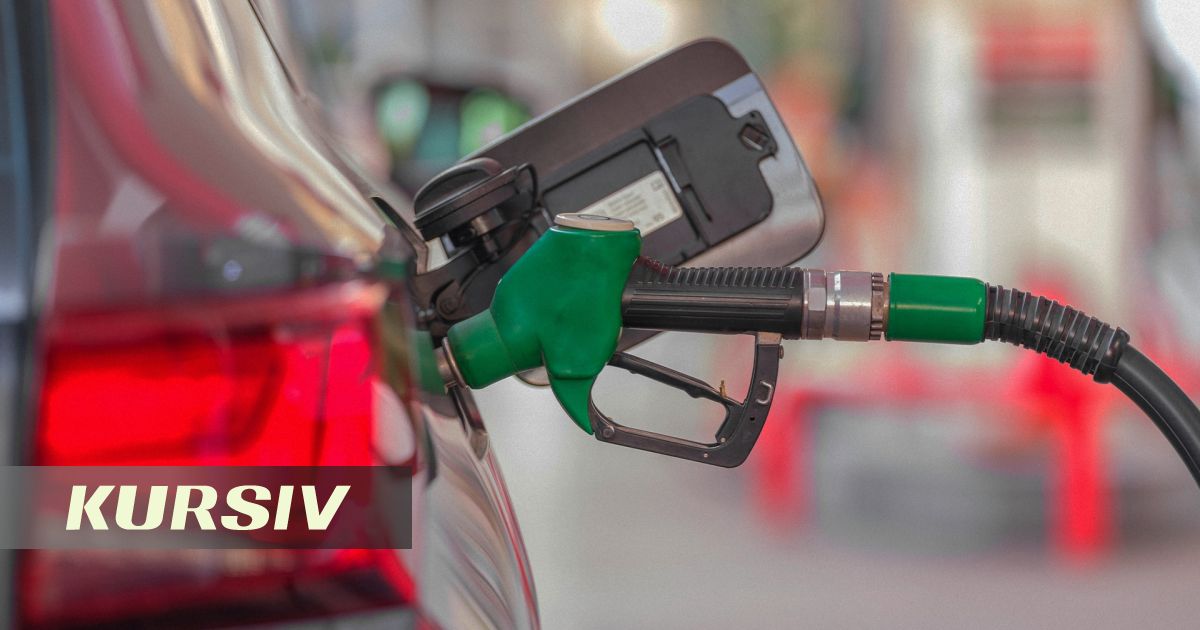
Gasoline and diesel in Kazakhstan may rise in price after a change to the mechanism for calculating the additional excise tax on fuel. From September 22, the coefficient applied when the established wholesale price is exceeded will be increased from 50% to 95%. This was reported by Qazaqyia.kz citing Kursiv Media.
How the new coefficient will apply
The new coefficient will be applied if the wholesale cost of fuel exceeds the established threshold. For gasoline it is 214,584 tenge per tonne, for diesel fuel — 284,350 tenge.
The higher the wholesale price relative to the established level, the larger the portion of the excess that will be taken into account when calculating the additional excise tax. Experts fear this will reduce the profitability of suppliers and may ultimately affect the cost of fuel for motorists.
At the same time, there will be no automatic doubling of prices, notes oil and gas industry expert Anuar Kozhabekov.
"This does not mean that, say, fuel will automatically double in price. The state is increasing the tax that companies pay on part of this wholesale price that exceeds the established threshold. This measure, above all, strengthens tax collection from rising wholesale prices. These additional revenues will go to the budget," he believes.
Concerns of the industry association
The Association of Oil Producing Organizations of Kazakhstan, PetroMining, believes that raising the coefficient could create a serious burden on the industry. It notes that a high oil price does not mean automatically receiving excess revenues: a significant part of the funds goes to taxes, production and field development.
According to the association, the tax burden on the industry reaches about 70%. PetroMining chairman Sayat Boranbekov stated that under the new coefficient the additional excise tax may exceed the economic effect of market liberalization.
"Now we are facing the fact that there is a big rollback. At a rate of 95%, the additional excise tax exceeds the revenue from liberalization already in September of this year, and the effect for the oil supplier becomes loss-making. In total for the year this is from approximately 400 billion to 550 billion tenge. At a rate of 50%, with what we had until September 11, it was a sufficient model, acceptable both for business and for the government," the expert notes.
Duration of the mechanism unknown
PetroMining also states that oil producing companies need funds for wages, investment and geological exploration. At the same time, it remains unclear how long the new calculation mechanism will be in effect.
The association believes that the change in the formula may significantly affect the economics of domestic oil producing companies, and the additional costs of business may in the future affect the domestic fuel market.
Earlier, Kursiv Auto reported that in Kazakhstan deputies proposed compensating for car repairs caused by poor-quality gasoline.