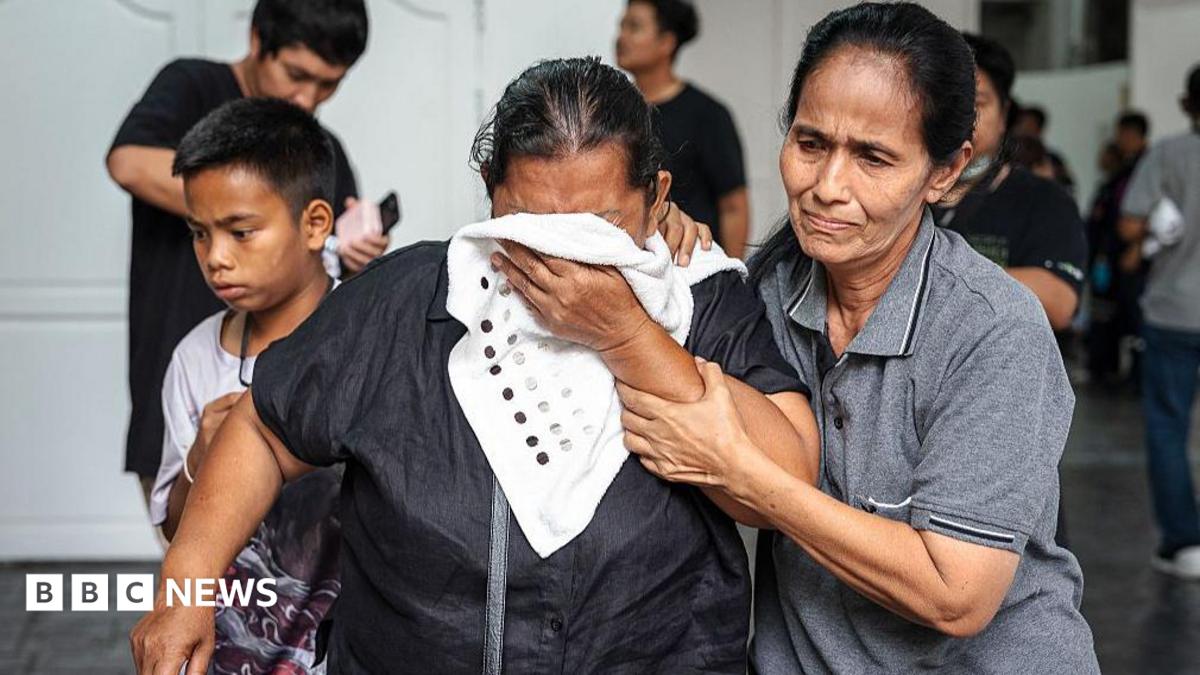
A sudden blast of flame across a crowded bar sent revellers in panic towards a single, narrow exit last Sunday night in Bangkok, killing 32 people at the Rong Beer Na Ladprao pub. This was reported by Qazaqyia.kz citing BBC News.
Thick, toxic smoke choked them. These horrific scenes also occurred at the Mountain B nightclub in Sattahip four years ago, where 26 died, and at the Santika Club in Bangkok in 2009, which killed 67. After each tragedy, there were calls for lessons to be learned.
Prof Worsak Kanok-Nukulchai from the Asian Institute of Technology noted the pattern: multiple deaths in crowded buildings, rapid fire spread, thick smoke, and deaths from toxic inhalation. He believes the fire may have been ignited by an electrical fault and spread through flammable sound insulation.
The terrifying jets of flame roaring out through the front entrance were likely drawn by new oxygen when the door was opened. That intense fire may have forced customers to the rear, where two exits were partially blocked and hard to find after the power cut.
The 2009 Santika fire led to improved safety regulations for nightclubs from 2012: fire-resistant materials, wider outward-opening doors, backup power for signs, and sprinklers for venues over 500 people. But these rules only apply to designated entertainment zones—only three in Bangkok. Most pubs are outside these zones, categorized as restaurants with live music, exempt from the rules. This was the case with Rong Beer Na Ladprao and Mountain B.
Bangkok governor Chadchart Sittipunt acknowledged this lethal loophole. The pub was inspected three months ago and declared safe. He ordered random checks of all so-called restaurants functioning as pubs or clubs without prior notice.
"From now we will apply the stricter standards to venues like these," he said. "Even if we do not have full legal powers we will make suggestions. If they don't follow these, we will try to find ways to stop them from operating. We must be able to shut them down if there's a risk."
But there are thousands of such establishments in Bangkok. It is unclear if the Bangkok Metropolitan Administration has enough staff for inspections, and there would likely be strong opposition to closing those that don't meet higher standards.
Corruption among local officials and police is an open secret. Many entertainment venues pay police to stay open. Even if stricter rules apply, enforcement is uncertain.
After the Mountain B fire, five police officers were suspended, but no further action was heard. The owner and three others were convicted and sentenced to up to 10 years, but remain free on bail while appealing, which can take years. In the Santika case, the owner and the man responsible for indoor fireworks were sentenced to three years but stayed out on appeal for six years before the Supreme Court confirmed the sentence. No other officials were prosecuted.
Safety lapses are prevalent in Thailand. Road fatalities are 10 times higher per capita than in Britain. In October 2024, a bus fire killed 23 people, 20 of them schoolchildren, caused by illegally installed gas canisters. In January, a construction crane fell on a train, killing 32 passengers. Earlier this month, a pickup truck driven by an 11-year-old boy killed 10 monks. Each incident was followed by promises of action, yet they keep recurring.