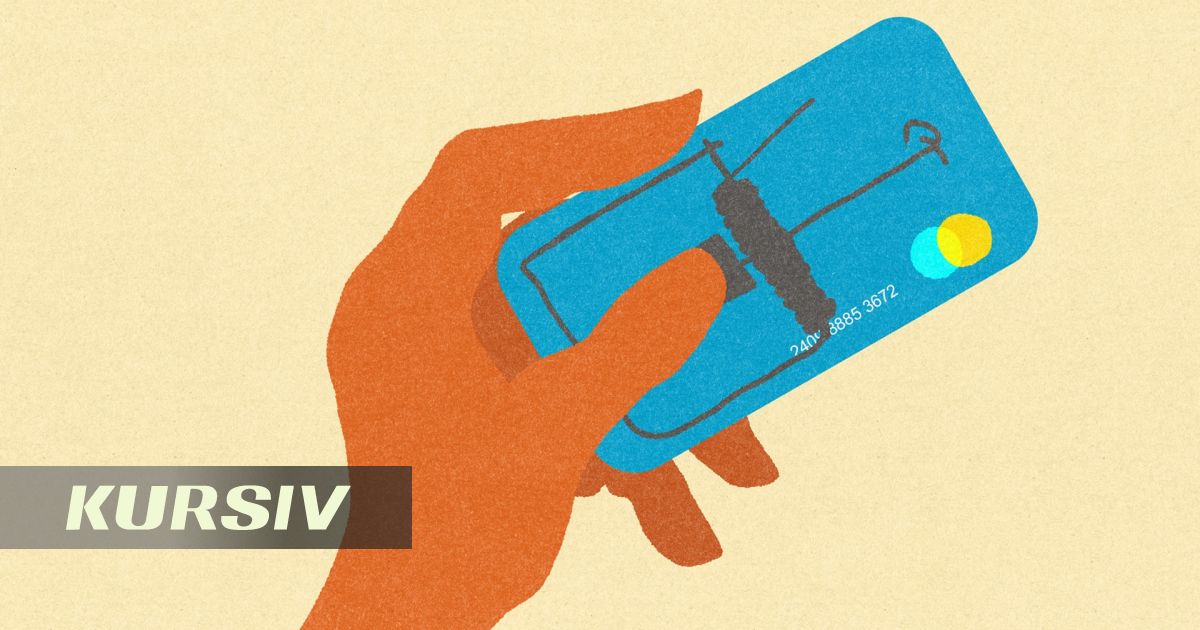
Scammers in the crypto industry increasingly use the honeypot scheme, allowing investors to buy tokens easily but making selling impossible. This was reported by Qazaqyia.kz citing Kursiv Media.
According to Binance Kazakhstan, the asset owner sees growing profits on the screen but cannot withdraw funds.
The essence of the scheme is that attackers pre-embed restrictions into the token's smart contract. Buying such an asset is straightforward, but when attempting to sell, the transaction is either completely blocked or the investor loses almost the entire amount due to exorbitant fees.
One common technique is the so-called "tax trap." Formally, the sale goes through, but the fee can reach 95% or more. For example, if an investor expects to withdraw $1,000 in profit, after the fee they may receive only about $20.
Such schemes largely exploit investor psychology. Since most token holders cannot sell, there is virtually no selling pressure on the market. As a result, the chart keeps rising, creating the impression of high demand. Seeing constant price growth and social media discussions, new investors continue buying the token, replenishing the liquidity pool that project creators can later use.
Additional danger comes from smart contracts whose owners retain the ability to change rules after trading starts. For instance, a developer can later ban sales for specific addresses or blacklist the liquidity pool address. Lack of open source code or the owner retaining unlimited control rights are also serious risk signals.
To detect such threats, crypto wallets are starting to use automated verification systems. In particular, Binance Wallet analyzes trading history and smart contract functions, warning users of potential fraud indicators. These tools can identify the absence of market sales and hidden contract management mechanisms.
However, automated verification does not guarantee complete protection. It only helps draw attention to suspicious signs. The final decision always rests with the investor, so before buying a token, it is important to research the project's reputation and ensure the transparency of its smart contract. Only then can the risk of ending up in a "honeypot," where profit exists only on screen and withdrawals are impossible, be reduced.
Earlier, Kursiv reported that victims of online scammers were refunded 4.8 billion tenge.