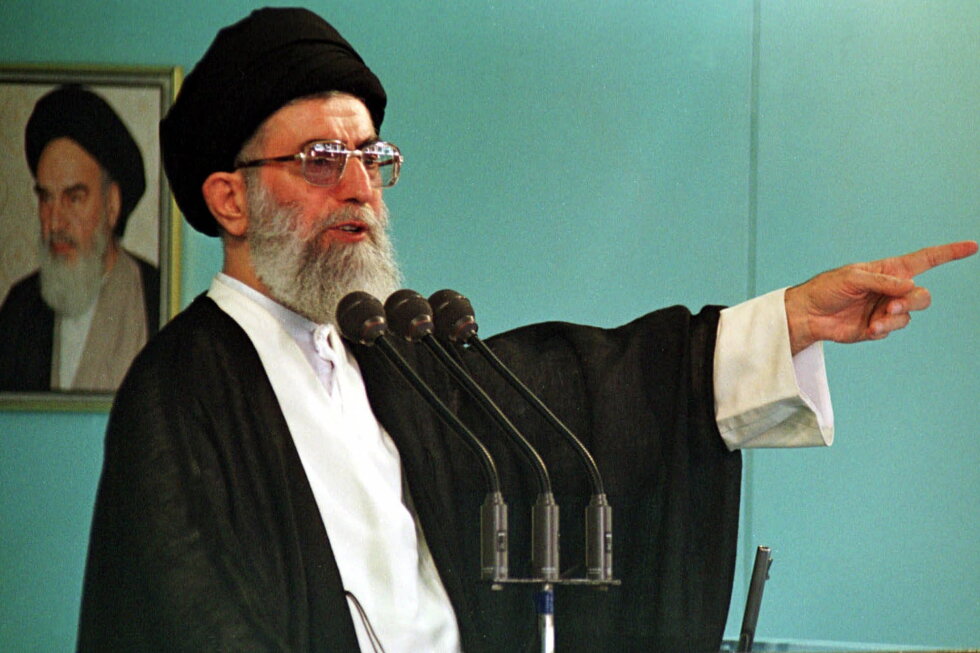
Ayatollah Ali Khamenei, who dramatically remolded Iran during more than three decades as supreme leader, turning it into a regional powerhouse and bringing it increasingly into confrontation with Israel and the United States, will be buried. This was reported by Qazaqyia.kz citing Associated Press.
His dayslong funeral begins Saturday, months after being killed at the start of the U.S.-Israeli war in Iran. Khamenei took the reins after the death in 1989 of Ayatollah Ruhollah Khomeini, the fiery ideologue who led the overthrow of the shah and installed rule by Shiite Muslim clerics. It fell to Khamenei, a stodgier figure with weaker religious credentials, to turn that revolutionary vision into a state establishment.
He supported myriad armed groups in the Middle East, pushed ahead with Iran's nuclear program, and faced down several protest movements with crackdowns. While his clashes with the U.S. and Israel were a source of support at home, they ultimately led to his demise.
After the 1980s war with Iraq, Khamenei turned the paramilitary Revolutionary Guard into the most important body underpinning his rule. The Guard became a military and business behemoth, the country's most elite force, with hands across Iran's economic sectors.
Under Khamenei's reign, Iran also shifted fully from conventional warfare to support for proxies, building the "Axis of Resistance." That included backing the Lebanese militant group Hezbollah, which drove Israel from southern Lebanon in 2000 and has battled Israeli forces repeatedly since. Iran has also supported Yemen's Houthi rebels, the Palestinian militant group Hamas, and Iranian-backed militias that waged an insurgency against U.S. forces in Iraq.
The Mideast wars sparked by Hamas' Oct. 7, 2023, attack on Israel, however, set in motion the collapse of that "Axis of Resistance," and left Hamas and Hezbollah weaker.