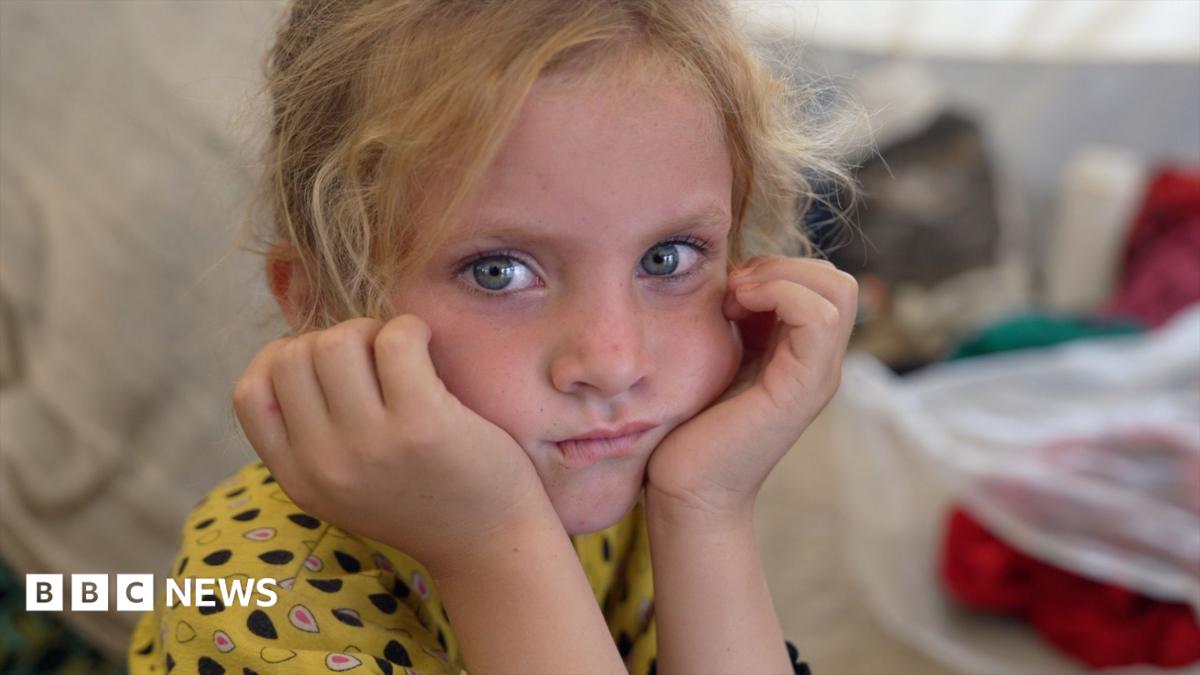
At the Torkham crossing, known as "Zero Point", one hard life ends and another begins. Nazia, 35, has just crossed from Pakistan, where she was born, into Afghanistan and says, "It feels good to be in my own country." But she adds, "I've never been to Afghanistan before and many people here don't even have enough bread to eat." Nearly her entire family — eight sisters and their offspring — were deported to Afghanistan this year from Pakistan or Iran. This was reported by Qazaqyia.kz citing BBC News.
This is the biggest cross-border movement of people anywhere in the world. Millions of Afghans have fled to Pakistan and Iran for decades, seeking refuge or employment, and the number escaping has continued to rise since the Taliban takeover in August 2021. Now these two neighbours are cracking down on undocumented migrants, forcing many to return. Nazia's family was undocumented, but the UN and human rights groups say the security sweep is reaching far beyond that group to include registered Afghans too. Even Pakistan now publicly says that Afghans with Proof of Registration cards are not exempt.
The number forced to return this year from Pakistan and Iran has already reached another million, according to the UN's Refugee Agency (UNHCR). Charlie Goodlake, spokesperson for UNHCR in Afghanistan, says, "In a little under three years, we've seen six million people, a population that is itself the size of a small country, come back to Afghanistan. We've never seen in recent history a return movement on this scale." In the tented village near the border, he points to a desolate landscape of tarpaulin and plastic shelters, many tattered and torn, erected by the UN and other aid agencies to provide refuge for a few nights for people arriving with nowhere to go.
Many returnees have not set foot in Afghanistan for decades; some, like Nazia, have never been here at all. Sarwar, who arrived a few days earlier with seven brothers and their families in a convoy of 40 people and their worldly goods packed into a Pakistani lorry, explains: "I left 45 years ago during the Soviet invasion of Afghanistan and most of my brothers were born in Pakistan. We spent a long time there, so of course I felt heartbroken when they forced us out of our home. But, despite all that pain, I am also happy because I am finally free of harassment by Pakistan's police."
Every family we met told us they had experienced prejudice and harassment by authorities in Pakistan. The Pakistan government has not responded to the BBC's questions, but a foreign ministry spokesman told a briefing on Sunday that "the Government of Pakistan undertakes the necessary measures to prevent any instance of harassment or maltreatment of Afghan nationals in Pakistan. If such incidents have taken place, they are sporadic and are dealt with fully in accordance with the law."
Both Pakistan and Iran say it's past time for Afghans to go home, accusing some of posing a security risk, and others of being a financial burden. The expulsions from Pakistan and alleged abuse intensified after a major escalation in fighting between Pakistan and Afghanistan last October. In February, Human Rights Watch highlighted "door-to-door raids, late-night home searches and arrests without warrants". In Iran, which claimed last year to host more than four million undocumented Afghans, the mass deportations were accelerated after its 12-day war with Israel and the US in June 2025. The New York-based Centre for Human Rights in Iran accused the authorities of using the post-war climate to "cast suspicion on Afghan migrants - accusing them of espionage and branding them as potential spies for Israel".
The UN's refugee agency continues to underscore the humanitarian principle that any return should be "voluntary, safe and dignified". But in Torkham, Sarwar's sister-in-law Zarina laments the precarious future they face: "We have no resources to start a business or earn a living, and we don't even own a tent to live in."