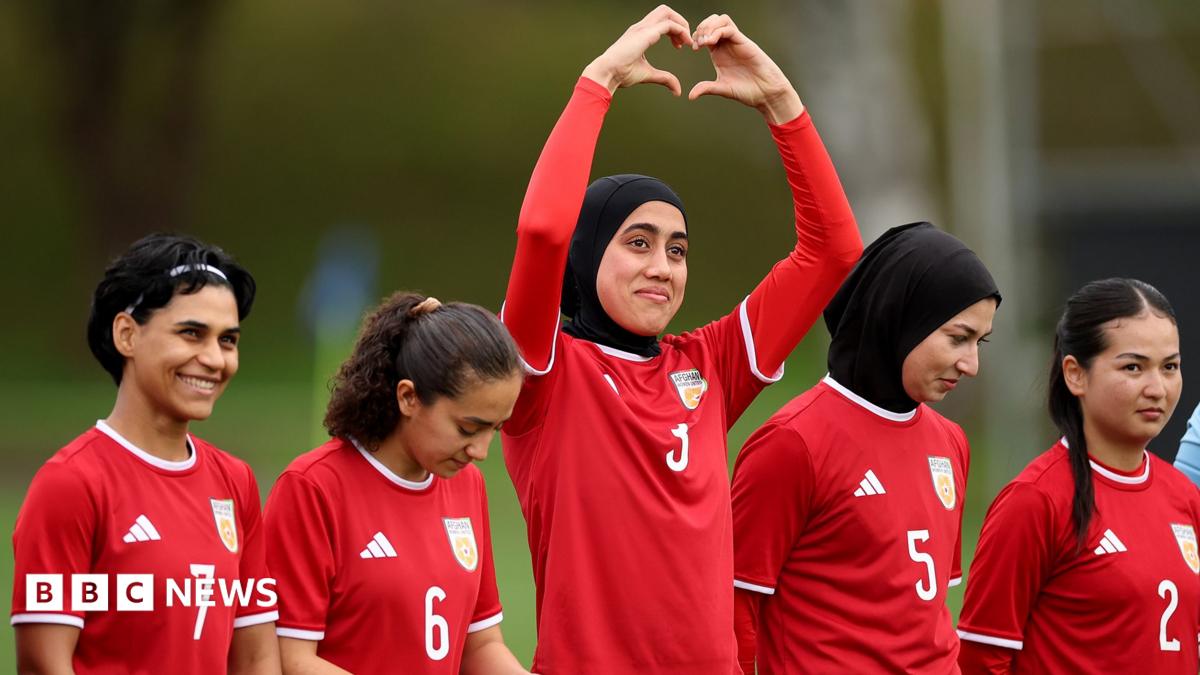
The Afghan women's football team has gathered for the first time since FIFA ruled they could represent their country in official matches. This was reported by Qazaqyia.kz citing BBC News.
The 23-player squad, selected from Afghan players now living abroad, has travelled to New Zealand for a training camp and to play two unofficial friendly games against the Cook Islands. This is the first time they have been together since football governing body FIFA ruled in April that they could represent their country in official matches in the future.
Team history
Afghanistan's national women's team, formed in 2007, could no longer play after the Taliban returned to power in August 2021, imposing wide-ranging restrictions on women and girls, including barring them from secondary school and university, most professions and organised sport. Its members were among those evacuated and resettled in countries including Australia, the UK and Portugal.
Years of campaigning led to the creation of a refugee team, which became Afghan Women United. Thanks to FIFA's ruling, it can now try to qualify for international competitions such as the Olympics and World Cup.
Player stories
23-year-old Manozh Noori lives in Australia. She grew up playing football with boys in the streets of Kabul. After seeing women's football on television, she secretly joined local clubs. Knowing her older brother would disapprove, she wore a face covering to reduce the risk of being recognised.
Over six years, she won league titles, national championships and individual awards. Eventually her success became impossible to hide. In about 2018 she agreed to a TV interview, which was shown on the news along with highlights of their match. Then she had to face the reality that her brother might see it.
"I was so scared," she recalls. "I kept thinking, 'He's going to see me. He's going to know.'"
In desperation, she tried to stop the family from watching the news by turning off the electricity, but word soon reached her brother and he was furious, she says.
"He was screaming," Noori says. "'You told us you were studying. You said you wanted to become a teacher or a doctor. What is this?'"
He threatened to cut his ties with the family if she didn't stop, she adds. "My mother was crying. She told me, 'He's the person who supports us financially. How are we going to survive?'"
Noori did stop playing for a while, but eventually started again. She says her other brother, who lives in Germany, sent money to help finance her dream.
When the Taliban took over in 2021, Noori decided to flee, but first she buried her football medals and trophies in the garden of her family home. More than four years later, they remain there.
"One day I will go back and dig them out," she says, briefly smiling at the thought.
"Football helped me get my mum and sister out of Afghanistan," she says. Two years after she moved to Australia and established herself as a football player, she was able to bring them over as well.
Hope for the future
The team hopes that in the future they will qualify for international competitions, such as the World Cup and the Olympics. Despite the ban in their home country, the players continue to represent Afghan women.