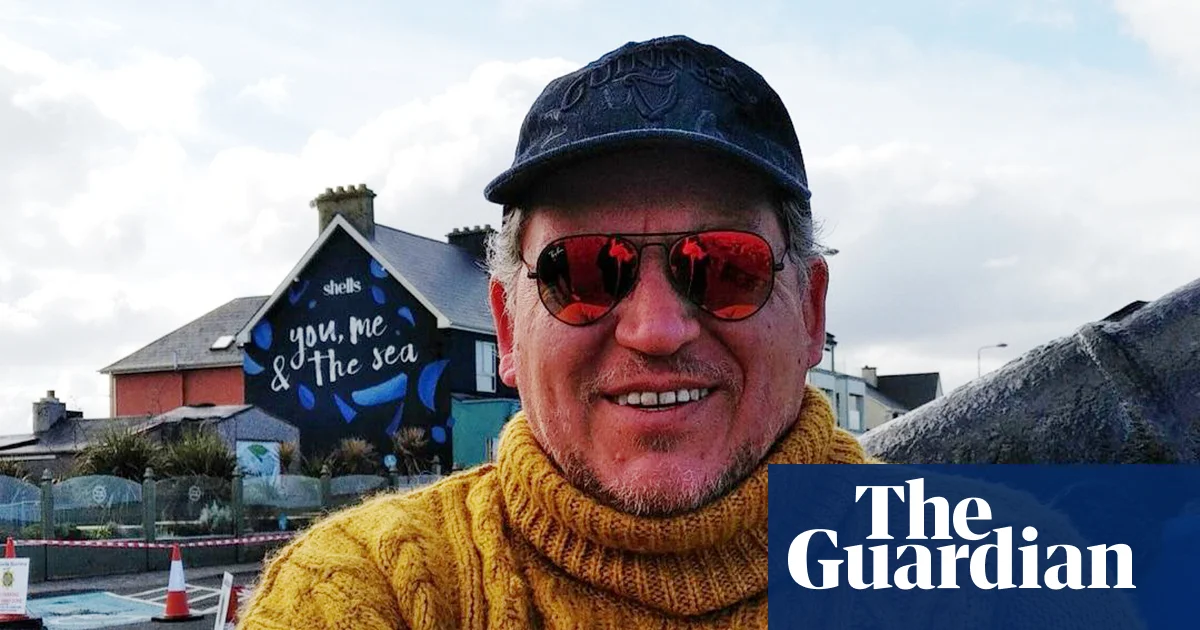
Australian engineer Robert Pether has been allowed to leave Iraq after a four-year stint in a Baghdad jail cell that his family feared would kill him. This was reported by Qazaqyia.kz citing The Guardian.
Pether's family say they have been "living in hell" since he was arrested without charge in April 2021 in connection to a business dispute between his firm – which was building a new headquarters for the central bank – and the Iraqi government.
He was imprisoned for more than four years but then released mid-last year due to his deteriorating health. He was banned from leaving the country.
The Australian foreign minister, Penny Wong, confirmed on Monday that Pether had now been allowed to leave the country. It was understood he was in transit.
"The Australian government welcomes the Iraqi government's decision to allow Mr Robert Pether to leave Iraq today," Wong said.
"I spoke to Mr Pether shortly before his departure from Baghdad and am pleased he is now free to move forward with his life and be reunited with his family."
"Today's outcome follows many years of persistent advocacy by the Australian government, including at the highest levels of government, and sustained consular assistance to Mr Pether and his family."
Pether and his colleague Khalid Radwan were detained in Baghdad in April 2021 after flying in for a meeting with bank officials to resolve a dispute they were having with his engineering firm, CME Consulting.
Pether was later sentenced and fined over allegations that his firm spent money that should have gone to an architect and a subcontractor.
In a report in March 2022, the United Nations working group on arbitrary detention found Pether had been arbitrarily detained in breach of international law.
The UN body also found the arrest constituted an "enforced disappearance" and may have involved forms of torture. The working group said it had received complaints that Pether "was exposed to extreme cold, threats of death, humiliation and various forms of psychological abuse."
"Mr Pether was detained in a [2x2 metre] cell with the lights permanently on," the working group said in its report. "He was reportedly blindfolded, interrogated, screamed at, threatened, insulted and shown torture rooms."
Pether's family described the arrest and ongoing detention as a living nightmare.
It caused dramatic deterioration to Pether's health. In 2022, the Guardian obtained an emotional letter from Pether to his family, penned from behind bars. The letter warned his family that his prognosis was "bleak" and that he was facing a potential "death sentence".
Pether also wrote of his daily torment about how he should break it to his children that he might not be coming home.
"How do you tell a little girl who loves unicorns and cats that her daddy will not be coming home? How do you tell your children that you are proud of them but will not be sharing the accolades (and pitfalls) of their lives with them?," Pether wrote.
"And toughest of all, how do you tell your wife, who is very much the other half of you, that you will not be keeping the promise you made to grow old together?"
His wife, Desree, who resides in Ireland, had previously been critical of the efforts of Australian officials to secure his release, but the Australian government said it had raised the case with Iraqi authorities more than 200 times.
Following her husband's release last year, Desree said she was "grateful to everyone who contributed to this happening".
The UN working group also posed serious questions about the conduct of Pether's trial.
The 2022 report aired allegations that Pether's evidence was mistranslated to indicate guilt and said that even during the trial "Pether and Radwan did not have clarity around their charges", with charges being dropped during the hearing and replaced with others.
"In the light of the above, the Working Group concludes that the violations of the right to a fair trial and due process are of such gravity as to give the deprivation of liberty of Messrs Pether and Radwan is arbitrary," the report said.